US Government Signals Tougher Scrutiny for H-1B Visa Recruiters


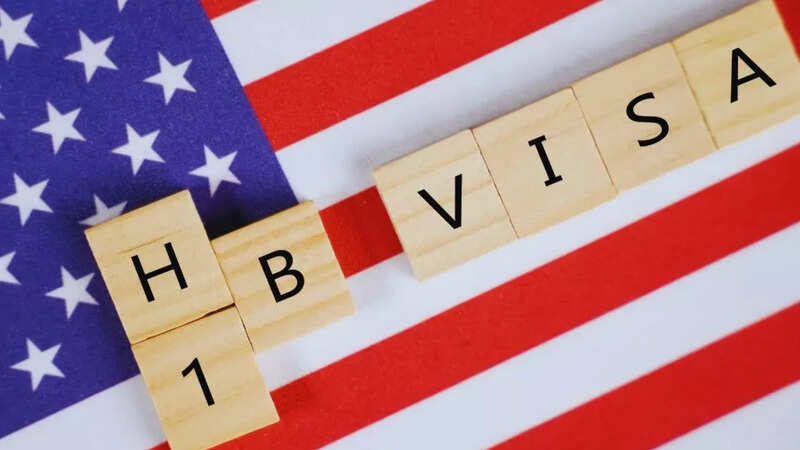
The H-1B visa programme, established in 1990 under President George H.W. Bush, was designed to assist American companies in recruiting overseas talent for roles requiring specialised skills. Recently, there has been a shift in Washington’s approach towards this programme, with new scrutiny aimed at companies employing foreign workers. US Vice President JD Vance has advocated for this heightened scrutiny as part of efforts to protect the interests of American workers. Vance’s comments emerged during an interview on the All-In podcast, where he emphasised the importance of prioritising highly skilled professionals who can contribute significantly to the US economy. He stated, "The H-1B should not exist to replace American workers with low-wage foreigners. It should exist to enrich the American economy." Vance's remarks coincide with an executive order signed by former President Donald Trump on September 18, which instructs federal agencies to consider an employer’s recent or planned layoffs when reviewing H-1B applications. The policy has also reintroduced a separate entry restriction that requires a $100,000 payment for certain H-1B workers seeking access from outside the US. This order intends to reduce what the administration identifies as abuses of the H-1B programme, particularly concerning the use of lower-paid foreign workers to the detriment of American employees. In illustrating the reform, Vance cited a theoretical scenario involving a company claiming a desperate need for workers despite having recently laid off thousands of its American staff. He questioned the rationale of seeking foreign replacements in such circumstances, asserting, "If you're laying off American workers, you shouldn't be going to the market searching for foreign workers to replace them." The executive order further mandates that the Departments of State, Labour, and Homeland Security take into account whether an employer has recently laid off US workers in their review processes for H-1B cases. The Labour Department is also expected to scrutinise prior labour-condition applications to determine if further action is necessary. The overhaul of the H-1B programme, with the $100,000 payment metric, raises concerns particularly for Indian professionals, who make up the majority of H-1B beneficiaries. Data from the US Citizenship and Immigration Services reveals that individuals from India accounted for 71 per cent of approved H-1B petitions in the fiscal year 2024, translating to about 283,400 approvals. Given these developments, stricter oversight of hiring practices of employers, especially in technology and outsourcing domains, could potentially impact the prospects of Indian professionals pursuing H-1B sponsorship. It is essential to clarify that the $100,000 fee does not imply that all Indian H-1B workers will suddenly be required to pay this amount; the new restriction primarily targets specific categories of new H-1B workers applying from abroad. Current H-1B visa holders and international graduates already residing in the US are not generally affected by this particular entry fee. For Indian professionals outside the US, the key issue will likely revolve around how employers adapt to the increased costs and scrutiny associated with hiring foreign talent. A $100,000 entry requirement significantly escalates the expense for firms seeking to bring workers from India, potentially driving some companies to favour local hiring or offshore more labour while reserving H-1B sponsorship for roles deemed critically challenging to fill domestically. Additionally, Indian technology firms may face heightened challenges because their operational models have traditionally depended on relocating skilled personnel to the US for client projects. Reports following the introduction of the $100,000 fee indicated that India's technology sector predicted increased costs and disruption to their US operations. Notably, this policy does not uniformly affect all Indian applicants. India's involvement with the US job market extends beyond just H-1B visa holders; over 363,000 Indian students were enrolled in US higher education institutions during the 2024-25 academic year, making India the largest source of international students in the US. Collectively, these policy changes signify a significant shift within the US government, linking H-1B sponsorship more closely with specialised talent and the safeguarding of American employment.
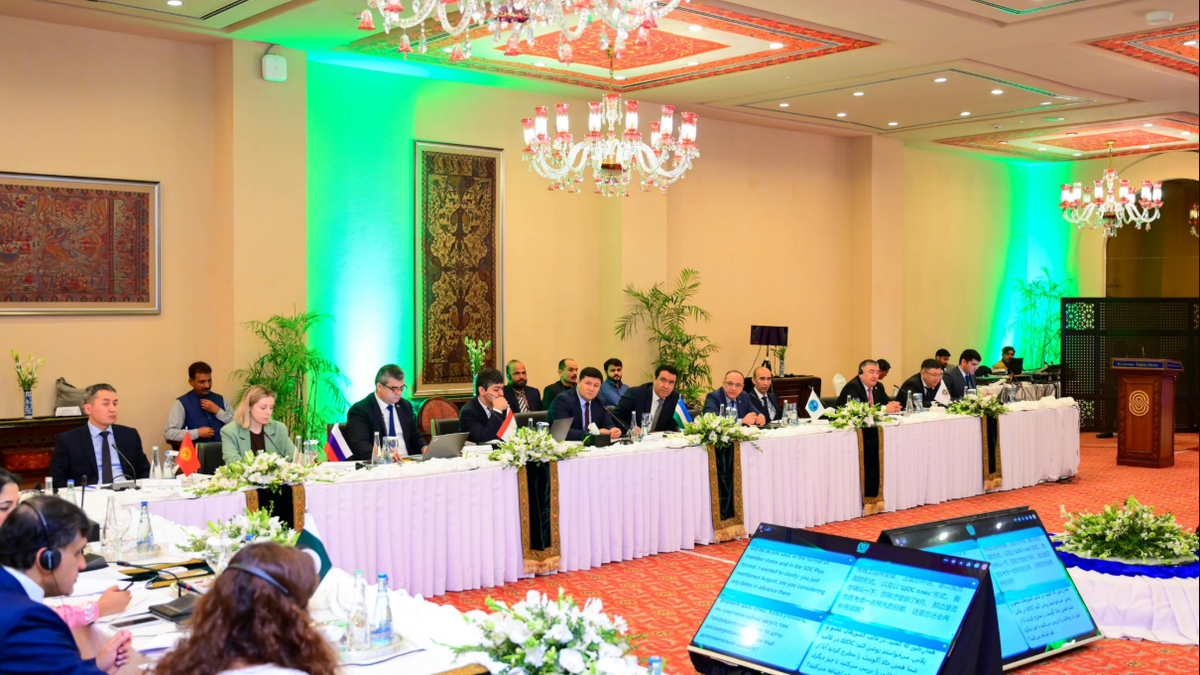
SCO National Coordinators' Meeting Begins in Islamabad, Pakistan
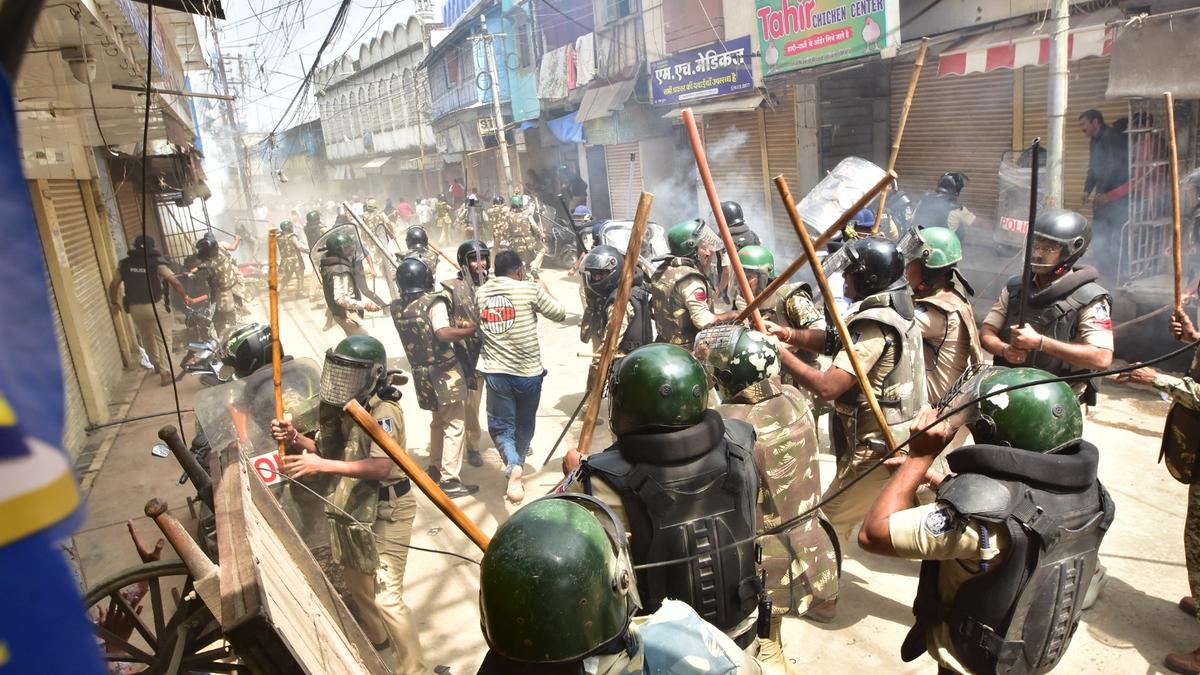
Protests Erupt Over Mosque Demolition for Road Widening in Ujjain
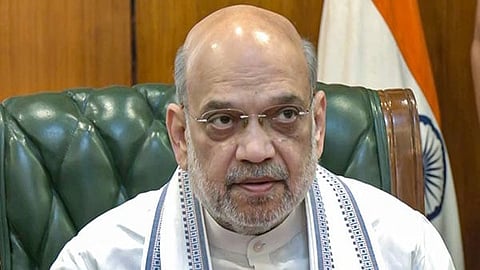
Forty Criminal Networks Disrupted Across India, Says Amit Shah
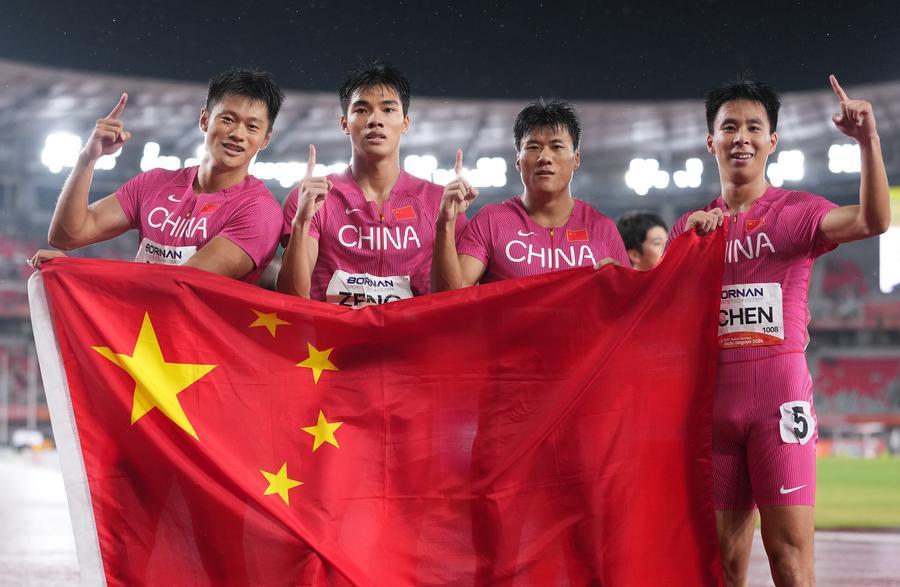
China Dominates Athletics at 2026 Asian Games with Relay Victories
