Understanding Heat Regulations at the Australian Open 2026


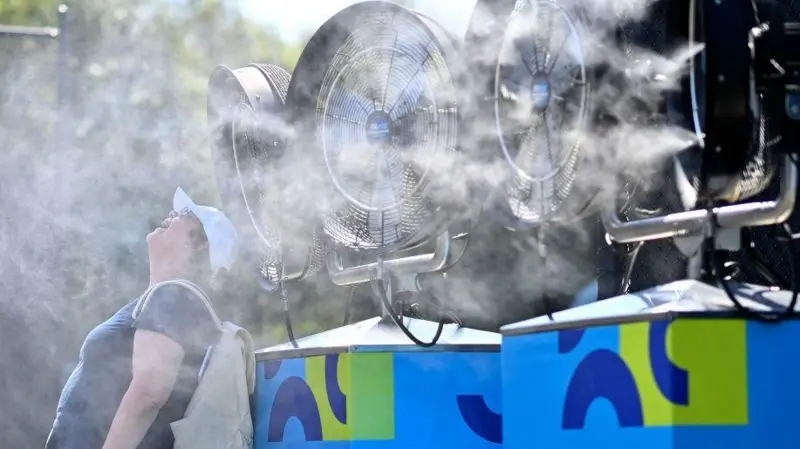
The Australian Open, one of tennis’s four Grand Slam tournaments, has established specific regulations regarding heat to safeguard competitors during its 2026 edition. These rules are especially significant as players contend with Melbourne's unpredictable weather.
Melbourne's climate is notorious for its swift variations, a phenomenon often described as experiencing 'four seasons in a day.' As temperatures can soar, the tournament organisers have put measures in place to manage player health. The Australian Open has a Heat Policy that emphasises player safety, which is integral for the tournament's credibility.
Under this policy, matches can be paused or cancelled if temperatures reach dangerously high levels. In the past, if the Wet Bulb Globe Temperature (WBGT), a critical indicator of heat stress, reached over a certain threshold, players are permitted to take breaks to recover. This approach has awakened discussions on the balance between player performance and health risks due to excessive heat.
The trend towards hotter summers has sparked wider conversation around sporting events held in climate-sensitive regions. Other Grand Slam tournaments, such as the French Open and Wimbledon, also have provisions to deal with heat but can differ greatly in implementation. Federer, during a past Australian Open, remarked, “It’s tough in the heat and a lot about adapting to conditions.” This displays not only the challenge but also the importance of player preparedness and adaptability.
With Australian Open 2026 set to begin, fans and sports analysts are keenly observing how players navigate through these regulations, especially those who participate in intense matches under scorching sun conditions. Leaders in the sport are also urging for broader adjustments in athletic competitions worldwide, reflecting on climate change’s impact on outdoor events.
As tennis evolves, the governing bodies must confront the implications of global warming on sporting schedules and player well-being. Hence, consistent reviews of heat policies are vital not just for the Australian Open but for all outdoor sports events.
In preparation for 2026, the Australian Open has begun discussions about additional measures that could be implemented, aiming for comprehensive player safety protocols.
“The changing climate presents a unique challenge for our tournaments, and we must take proactive steps to ensure the health and safety of our players,” stated an Australian Open spokesperson.
As organisations around the globe contemplate future climate-related adjustments, the Australian Open's approach will likely serve as a reference point, indicating a path forward for other sports leagues dealing with similar challenges.

Kerala Initiates Probe into 2006 Suicide Case Involving CEC

Extradition of Sheikh Hasina Feasible, Says Indian High Commissioner

Punjabi Makeup Artist Mad Sandhu Shot Dead in Amritsar

India Achieves Fourth Place at Asian Games 2026 Through Late Success