Ukraine Peace Talks Resume in Abu Dhabi After Lengthy Absence


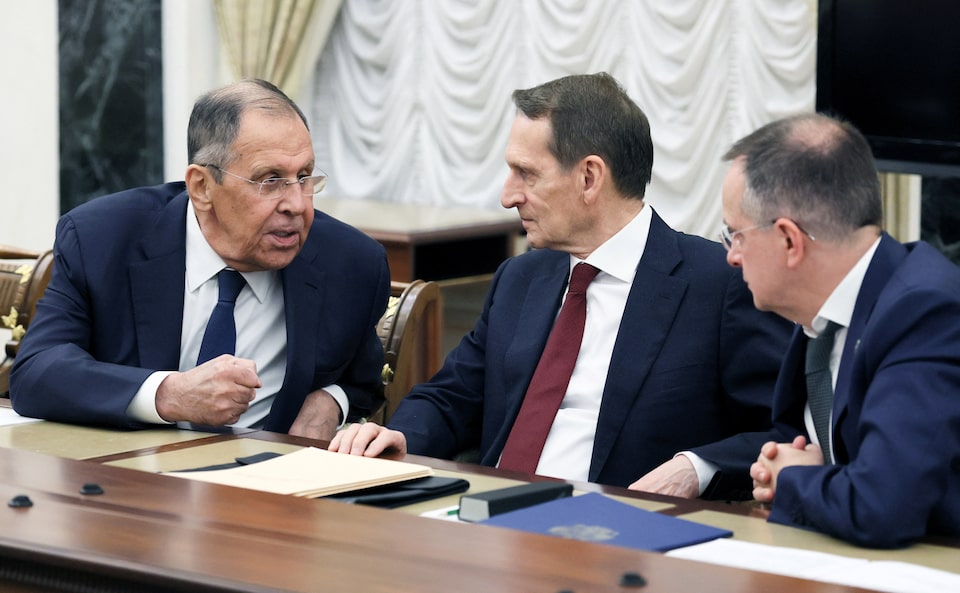
Talks aimed at resolving the ongoing conflict in Ukraine have resumed in Abu Dhabi following a prolonged hiatus. Senior officials from Moscow, Kyiv, and Washington convened for the first trilateral discussions since February, coinciding with the upcoming fifth anniversary of Russia's invasion.
Reports from US officials indicate that both Ukraine and Russia are demonstrating "a little bit of flexibility" regarding the control of eastern Ukraine in a postwar context. However, the two parties remain far apart on key issues. A significant point of contention is the eastern region of Donetsk, which is largely under Russian occupation.
Jared Kushner, the US delegation member and son-in-law of former President Donald Trump, noted that the discussions will address the postwar security concerns of both nations. He emphasised that encouraging all parties to ponder the future beyond the conflict is crucial, stating on social media, "An important part of this process is encouraging all parties to begin thinking seriously about what comes after the war."
Despite the indications of flexibility, both Moscow and Kyiv maintain their public positions regarding territorial control. Russia insists that Ukraine surrender the portions of Donetsk it still holds, while Ukraine aims to solidify its control over those regions, vital for its security.
A US official highlighted that meaningful resolutions on territorial disputes would hinge on establishing a new security framework. "They will not solve the Donetsk issue and the territorial issue until they know what the security architecture is going to be after the war," the official stated.
Ukraine is likely seeking assurances of support from its allies in the event of future aggression, whereas Russia aims to see NATO's influence in Eastern Europe reduced—a goal that raises alarm among European nations.
Discussions are expected to cover the establishment of security consultations, crisis communications hotlines, and reciprocal de-escalation measures. The proposal to reactivate the NATO-Russia Council, which has been inactive since 2022, is also on the table.
The last trilateral talks, held earlier this year in Geneva, concluded without significant progress. Since those discussions, European leaders, feeling excluded from the peace process, have expressed a desire to be included amid concerns over continental security.
European Commission President Ursula von der Leyen recently urged for a collaborative approach that encompasses NATO allies and EU member states to engage in meaningful talks regarding Europe's security architecture. Ukrainian President Volodymyr Zelensky has echoed this sentiment, advocating for European participation in negotiations.
The US delegation indicated a willingness to transition to a multilateral format that would involve European representatives, with hopes of gaining Russian acceptance, although challenges remain due to existing tensions.
As the conflict continues, President Trump has led prior efforts to find a resolution without much success, and his latest conciliatory remarks toward Russia have raised concerns in Kyiv. "Many in Ukraine are sceptical that this would result in a fair peace," commented Ukrainian Member of Parliament Oleksandr Merezhko.
Merezhko voiced fears that Trump might seek a swift resolution at Ukraine's expense, suggesting that real negotiations would only occur under increased pressure on Russia through sanctions. "While Putin has a war machine up and running, he has no incentives to negotiate," he added.
The Russian delegation in Abu Dhabi includes Kremlin aide Vladimir Medinsky, several deputy foreign ministers, and military officials. Kyiv's team comprises senior members of previous negotiating teams, including the head of the Foreign Intelligence Service and key aides to President Zelensky.
Amid the ongoing talks, Russia has intensified its attacks on Ukraine, targeting critical infrastructure, which Ukraine perceives as an effort by Moscow to force the nation into accepting unfavourable terms.
Reflecting on the complexities of the discussions, Kushner remarked that the Abu Dhabi meetings may only serve to build momentum for future negotiations, acknowledging the formidable nature of the conflict. He concluded, "This is an extraordinarily difficult and complicated conflict," underscoring the need for a pragmatic approach as the discussions unfold.
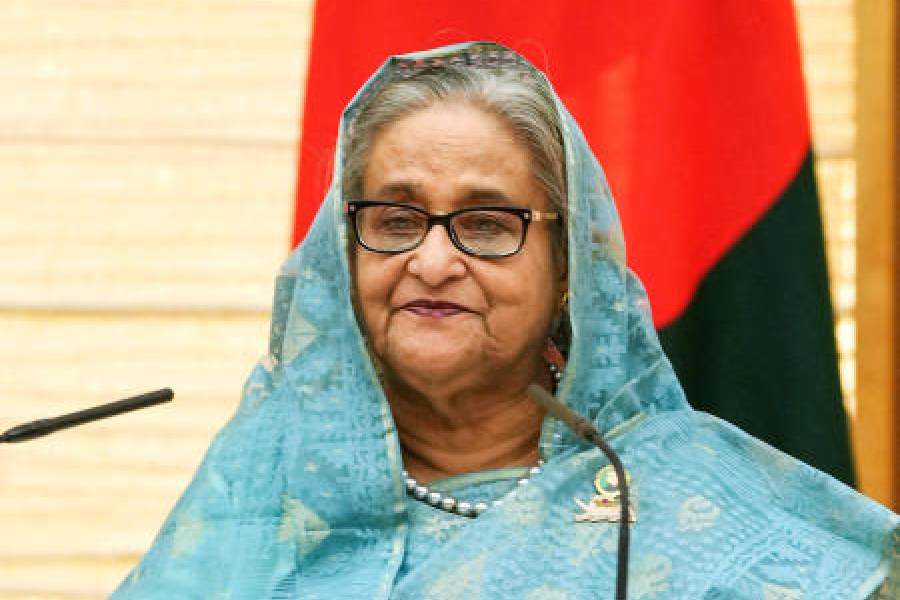
Sheikh Hasina Seeks Passport as Plans for Bangladesh Return Emerge

Kerala Initiates Random Testing Due to Ethanol Concerns in Petrol
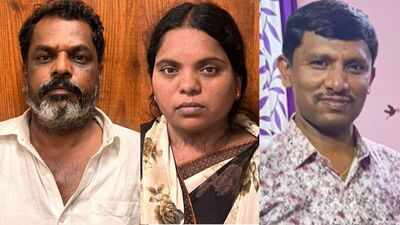
Bengaluru Woman and Accomplice Arrested in Husband's Murder Case