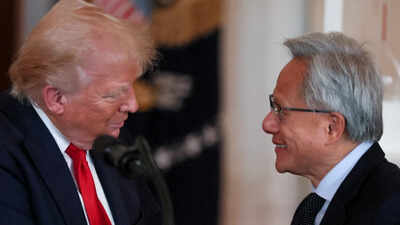
UK Prime Minister Advocates Closer EU Ties Post-Brexit


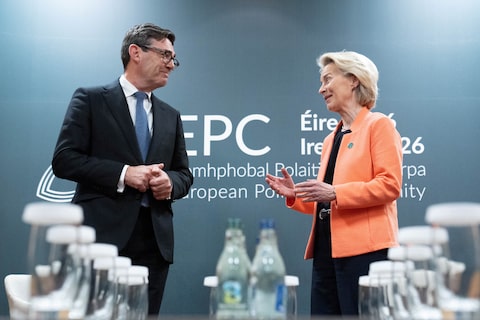
British Prime Minister Andy Burnham has stated that the United Kingdom must reassess its relationship with the European Union following the challenges posed by Brexit. During his speech at the Lord Mayor's Banquet in London on Monday, Burnham drew parallels between Brexit and the story of 'The Emperor's New Clothes' by Hans Christian Andersen, suggesting that the promises made during the campaign have not materialised.
"To be frank, we have lost more than we have gained in the last ten years," Burnham remarked. He expressed concerns over the consequences of what he termed a 'hard Brexit,' stating that it has created barriers for businesses and failed to deliver the promised control over borders and laws.
Burnham's comments come ahead of a significant UK-EU summit scheduled for Friday in Brussels. The meeting is intended to achieve advancements that could enhance the daily lives of citizens in regions that have felt ignored.
The Prime Minister laid out three criteria for any agreement reached at the summit. First, it must align with the Labour Party’s manifesto and uphold commitments relating to customs and migration. Second, the deal should improve upon the initial Brexit arrangements that voters anticipated in 2016. Lastly, it must meet his 'Makerfield Test,' which assesses whether it will bring tangible benefits to constituents in his Greater Manchester constituency.
In anticipation of the summit, the UK is poised to formalise agreements regarding trade in food and beverages, energy collaborations, and provisions allowing young individuals to work temporarily across the UK and the EU.
He asserted that the Brexit campaign’s assurances—that the UK would reclaim control—have not been fulfilled. Statistics indicate a notable decline in trade with EU nations, leading estimates of economic repercussions to range from 4% to 8% of the UK's gross domestic product.
Burnham's approach marks a shift away from previous adversarial rhetoric. In his view, Brexit embodied an isolationist trend that could be exploited by countries such as Russia. He believes that the UK possesses the potential to play a leading role in fostering international cooperation.
Post-summit, Burnham intends to engage in discussions regarding a long-term partnership with the EU. However, his spokesperson, Tom Wells, has stated that no assumptions will be made about the outcomes and affirmed the public’s authority over any proposed changes.
Burnham's predecessor, Keir Starmer, had placed a pledge on the Labour Party not to seek re-entry into the customs union or the single market, and deviating from that commitment could rekindle divisive debates reminiscent of the 2016 referendum, which showed 52% in favour of leaving.
The Prime Minister emphasised that while he seeks to initiate dialogue with the EU, no significant changes will occur prior to the next national election. He noted that the summit would serve as a springboard for productive dialogue and inclusive solutions, demonstrating an intent to engage constructively with EU partners.
The Conservative Party has reacted critically to Burnham's approach, accusing him of attempting to reintegrate the UK into EU frameworks. They argue that any alignment with EU regulations could undermine the UK’s autonomy in trade policy. The Liberal Democrats and the Green Party, among other opposition groups, have also expressed concerns that the current frameworks are inadequate, advocating for a more substantial re-engagement with Europe.
In light of the broader global landscape, Burnham’s remarks encapsulate a pivotal moment for UK foreign policy, as the nation seeks to redefine its place in a post-Brexit world.
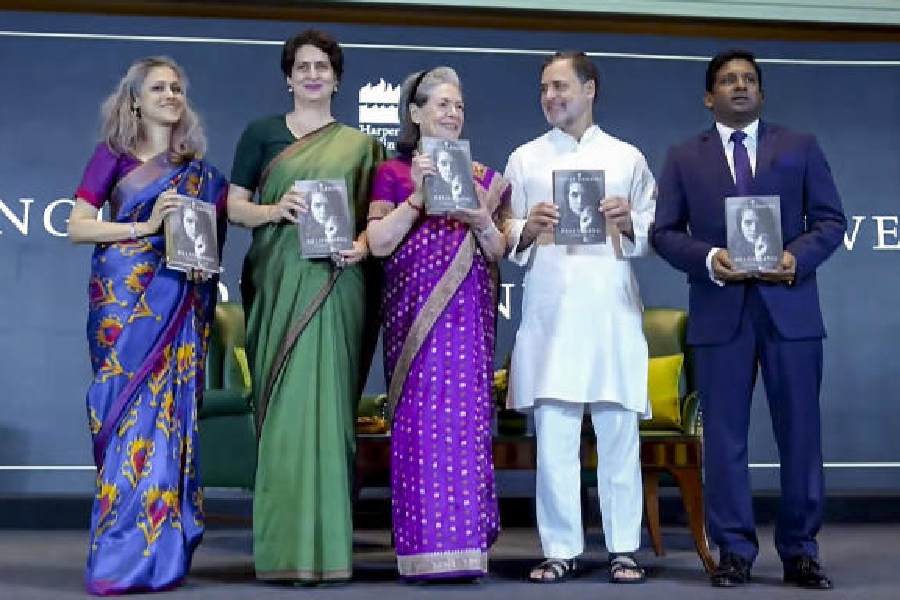
Gandhi Family Reflects on Love and Loss at Sonia's Book Launch
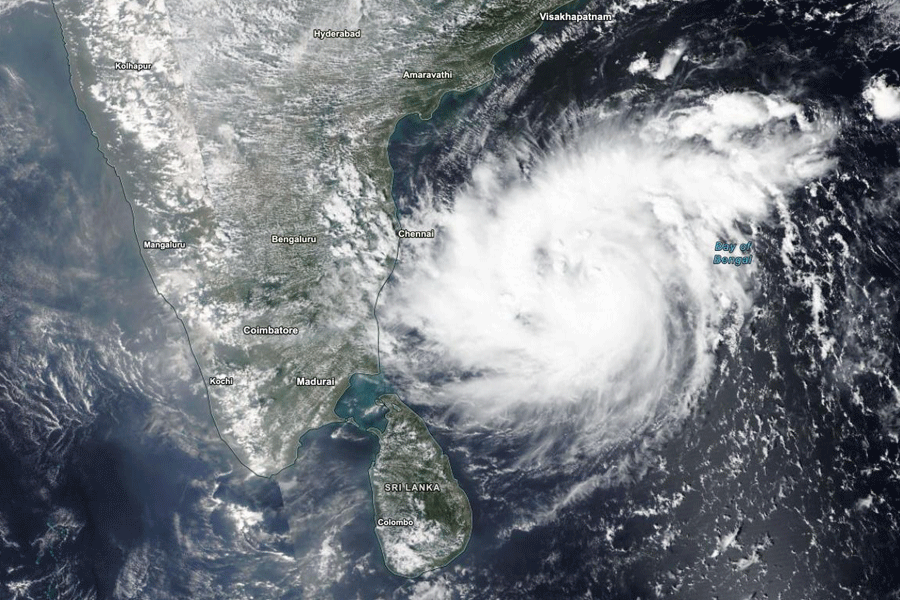
Cyclone Akvan Develops Over Bay of Bengal, Impacts Anticipated for Andhra Pradesh
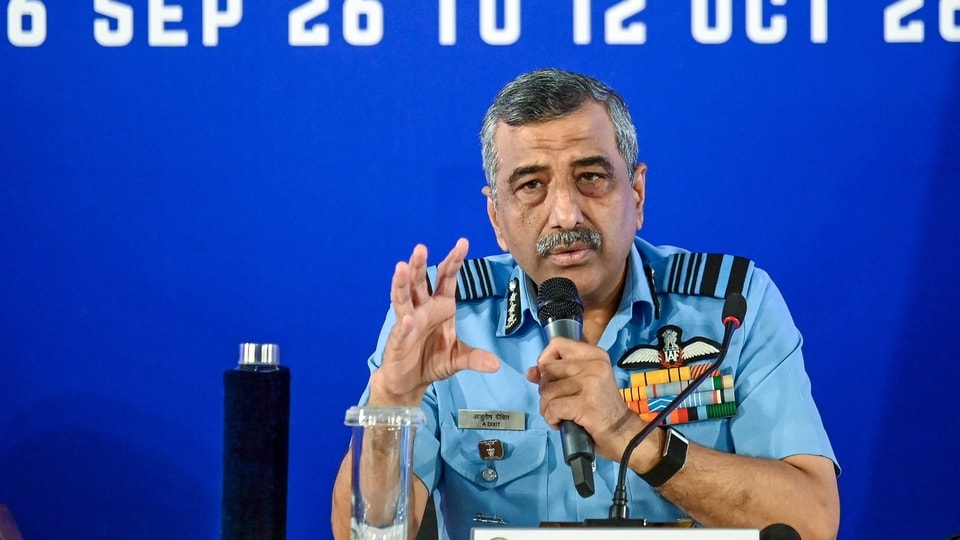
India's Air Force Monitoring China to Deter Potential Aggression

Counter-Terror Operations Intensify in Kulgam, Jammu and Kashmir