Trump's Tariff Threat Poses Challenge for Europe Over Greenland Deal


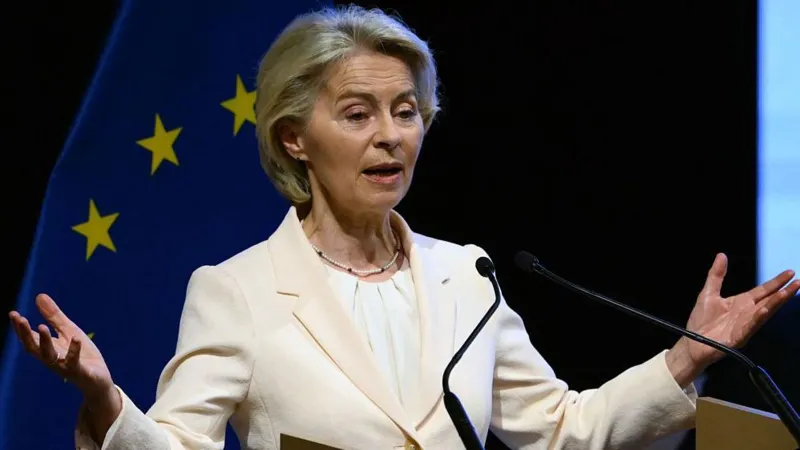
United States President Donald Trump has made headlines with his recent ultimatum to eight European countries, threatening to impose tariffs unless they back his controversial proposal to purchase Greenland. This unexpected move has sparked considerable debate regarding its implications for European-American relations.
The ultimatum was announced during a speech on Saturday, where President Trump expressed frustration over the lack of support from these nations. The countries involved have not yet publicly responded to the tariff threat. Observers suggest that this stance could complicate existing diplomatic ties between the US and Europe.
Greenland, an autonomous territory of Denmark, has garnered interest from the US. President Trump has previously described the island as a ‘strategic asset’ due to its geographical positioning. The discussions about the potential acquisition date back to his administration, but have remained largely speculative.
Critics of the President’s approach have described his tactics as aggressive and potentially damaging. They argue that using trade measures to pressure countries into supporting policies may set a troubling precedent in international relations. Some analysts warn that this could lead to a cycle of retaliation, complicating trade agreements and damaging the economic landscape.
While the European Union has recently advanced negotiations on several trade agreements, the question arises whether this tariff threat will stall or disrupt these efforts. According to experts, the imposition of tariffs can have far-reaching consequences on both sides, affecting not only governments but individual consumers and businesses.
A comment from a trade expert underlines the complexity of the situation: “This tactic risks not just economic instability, but also could lead to a broader diplomatic rift. Both sides need to engage in dialogue rather than resort to threats.”
The threat comes at a crucial time for European economies that are still recovering from economic downturns. Many European leaders are likely to consider their responses carefully as they assess the implications of US tariffs, while also weighing their own national interests.
As the situation develops, it remains to be seen how European leaders will navigate this challenge, balancing their responses to protect trade ties without escalating tensions further.
In the meantime, public opinion across Europe continues to grow wary of Trump's administration and its unpredictable style of leadership. Many citizens are concerned that such confrontational tactics may ultimately harm their economic wellbeing, regardless of the political motivations behind them.
With upcoming international summits and discussions on the table, how European nations choose to respond will play a significant role in shaping transatlantic relations moving forward.

Kerala Initiates Probe into 2006 Suicide Case Involving CEC

Extradition of Sheikh Hasina Feasible, Says Indian High Commissioner

Punjabi Makeup Artist Mad Sandhu Shot Dead in Amritsar

India Achieves Fourth Place at Asian Games 2026 Through Late Success