Trump Shifts Focus From Iran Negotiations to Domestic Issues


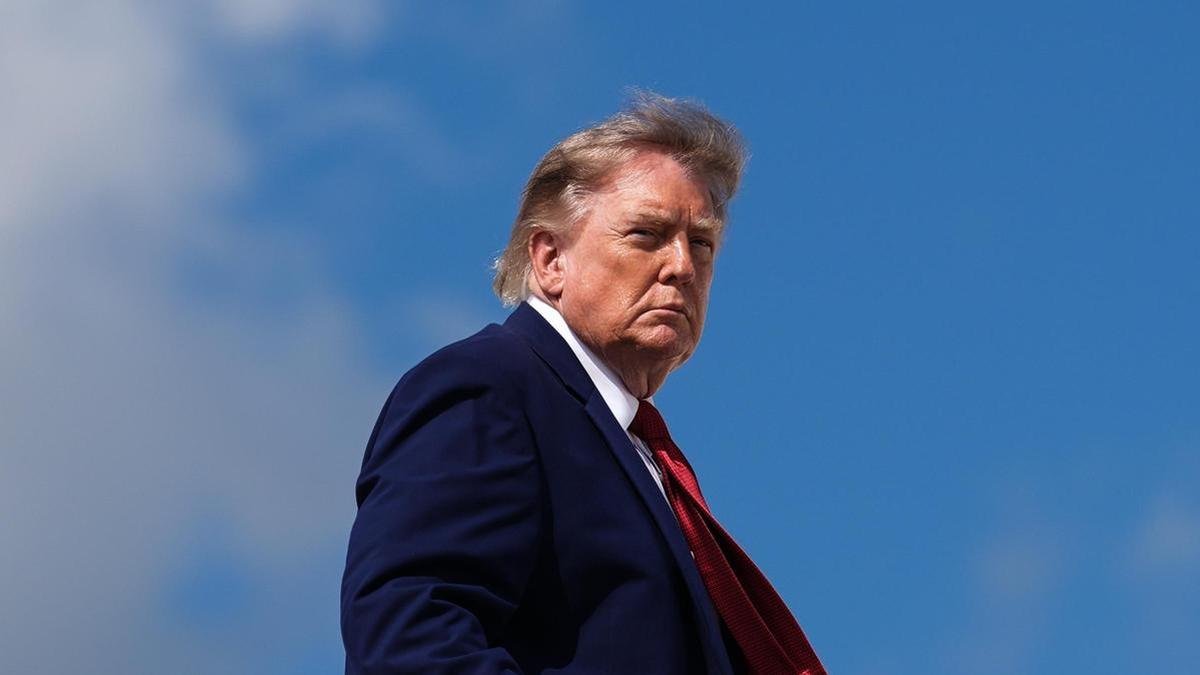
President Donald Trump announced that the United States is no longer pursuing negotiations to resolve the ongoing conflict with Iran. This statement marks a significant shift in U.S. foreign policy regarding Iran, as Trump instructed Vice President JD Vance to concentrate solely on domestic affairs.
In a post shared on his social media platform, Trump emphasised that Vance should dedicate his efforts to tackling what he described as ‘Massive Corruption and Crime taking place in Democrat-run Cities and States throughout the U.S.’ This directive follows reports that Vance had been engaging with intermediaries in Iran and Qatar to revive discussions aimed at negotiating an end to the hostilities.
The conflict in question escalated in February when the United States and Israel conducted coordinated military strikes against Iranian targets. In retaliation, Iran restricted access through the Strait of Hormuz, a vital shipping route, resulting in a rise in global fuel prices. Despite these developments, Trump stated, “We don’t need a deal with Iran. Those days have long since passed. We’ve got their money, Hundreds of Billions of Dollars, and we’ve got their Strait!”
This statement suggests a formalisation of the current standoff with Iran. The United States has continued its blockade of Iranian ports while gradually reopening the Strait of Hormuz to international maritime traffic, including oil shipments. Notably, the U.S. has refrained from launching significant military strikes against Iran in recent months, and Iran has similarly avoided large-scale missile attacks on U.S. bases and allies in the region.
In a recent press conference at the White House, Trump commented on the situation, stating that military action against Iran does not appear to be necessary at this time, while reaffirming the readiness of U.S. forces should the need arise. He mentioned, “At this point, taking the military action doesn’t seem to be a very necessary thing – but we’re locked and loaded, ready to go for any reason.” This statement followed a meeting with Qatar's Prime Minister, Sheikh Mohammed bin Abdulrahman Al Thani.
During the press briefing, Trump revealed that leaders from Gulf states had advised him against escalating military actions in the region. This latest decision effectively removes Vance from a key foreign policy challenge, as he had previously sought to distance himself from the war. In April, Vance even led a U.S. delegation to Islamabad with the aim of negotiating an end to the conflict.
Trump's son-in-law Jared Kushner and envoy Steve Witkoff have also engaged in outreach related to negotiations. According to Axios, Vance had been communicating regularly with Sheikh Mohammed, Pakistan's army chief Asim Munir, and other intermediaries.
Vance had previously expressed concerns about the political implications of the war, suggesting that it significantly impacted the Republican Party's performance in the midterm elections. He stated, “The reason we lost is the war,” directly attributing electoral losses to the ongoing conflict.
Following these developments, Trump has reiterated his commitment to continuing military action against Iran if deemed necessary, asserting that the military operation was indispensable to prevent Iran from potentially developing nuclear weapons. Trump’s approach to the conflict, coupled with his focus on domestic priorities, signals a potential realignment of U.S. foreign policy in the Middle East.

Bengaluru Woman Stabs Husband Following Domestic Disputes

Critical Security Alert Issued for Google Chrome Users Worldwide

Sai Pallavi Shares Emotional Experience on 'Ramayana' Set

Anirudh Ravichander and Kavya Maran Tie the Knot in Greece