Trump Administration Officials Relocate to Military Housing Amid Threats


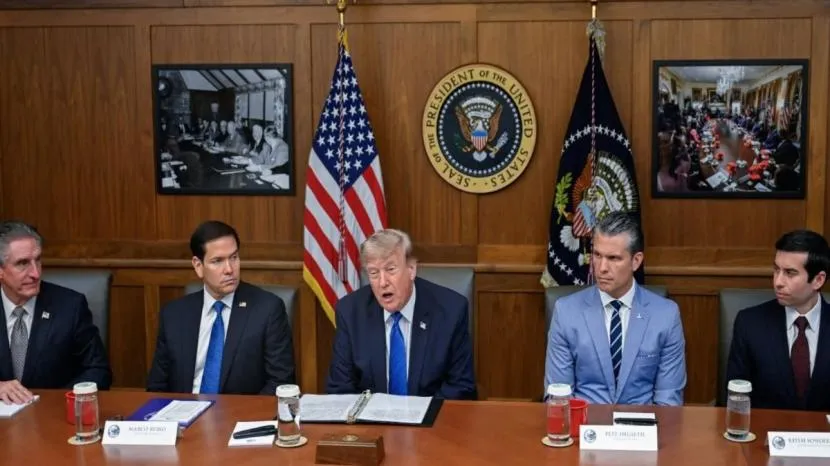
A number of officials from the Trump administration have begun residing in military accommodations, typically reserved for senior military figures. This trend, reported by CNN, follows increasing concerns over security threats arising from domestic violence and foreign adversaries, notably Iran. The military housing, located within controlled military compounds in Washington, DC, provides enhanced protection to these officials.
The unusually high number of Cabinet members relocating to these facilities indicates a growing apprehension about personal safety in their civilian residences. It is projected that this trend might persist in future administrations, irrespective of political stance. The heightened sense of unease surrounding personal security has been exacerbated by recent threats from Iran, linked to the ongoing conflict in the Middle East.
One notable relocation is that of US Treasury Secretary Scott Bessent, who recently moved from a residential property in Georgetown to a secure military installation. He cited threats associated with his role in the economic sanctions against Iran as the motivating factor for this change. During an appearance on CNBC's Squawk Box, Bessent remarked, "I’m not going to be cowered. They have initiated death threats against me and other members of the Cabinet."
Another Cabinet member, US Attorney General Todd Blanche, has also relocated for similar security reasons, with a trend emerging where several administration officials are now unable to reside in the city due to verified threats against them.
Further complicating the situation, White House chief of staff Stephen Miller and his family moved to military housing after experiencing protests and threats aimed at their Virginia home. A White House official highlighted that the Millers felt it necessary to act in response to a "well-documented stalking, doxing, and threat campaign targeting their residence."
The increased occupancy of military housing by civilian political appointees has drawn scrutiny from Democratic lawmakers. Representative George Whitesides of California has been proactive in addressing these concerns, managing to secure a report from the House Armed Services Committee. This report will examine why these officials are living in military accommodations, the nature of threats justifying their relocation, and financial aspects of their housing arrangements, expected by this spring.
Whitesides stated that it is vital to ensure accountability regarding military housing being used by political officials and to confirm that these individuals are paying appropriate market rates. Additionally, past expenditures on military residences have raised questions, such as the $137,297 slated for repairs and upgrades to the residence of US War Secretary Pete Hegseth.
Cabinet members residing in military housing are required to pay rent, which typically starts at around $4,500 per month, depending on the specific residence. This rental arrangement has its origins in initiatives dating back to former Defence Secretary Robert Gates, who was the first to reside in military housing while in office.
However, while certain arrangements were intended to alleviate taxpayer burdens, instances of high-profile civilian officials in military accommodation, including the likes of former Secretary of State Mike Pompeo, highlight the ongoing challenges and ethical considerations around this practice. Concerns had been raised during Pompeo's tenure regarding the implications of a civilian official residing in housing meant for military personnel.
The increasing trend of civilian officials relocating to military housing occurs amid broader shifts within the capital during Trump's administration. This has included deploying National Guard troops for public safety reasons and making extensive renovations to the White House, including the construction of a new ballroom. The movement of senior officials into military quarters raises questions about the democratic principle of elected officials residing within the communities they serve.

Israeli Prime Minister Poised to Offer Eisenkot Key Government Role

IndiGo to Restart Flights to Jeddah and Madinah Amid Security Review

Zelensky Criticises US Over Focus on Middle East Amid Ukraine War

Canada's Supreme Court Upholds Quebec's Public Sector Religious Symbol Ban