Taiwan's Ruling Party Achieves Significant Gains in Local Elections


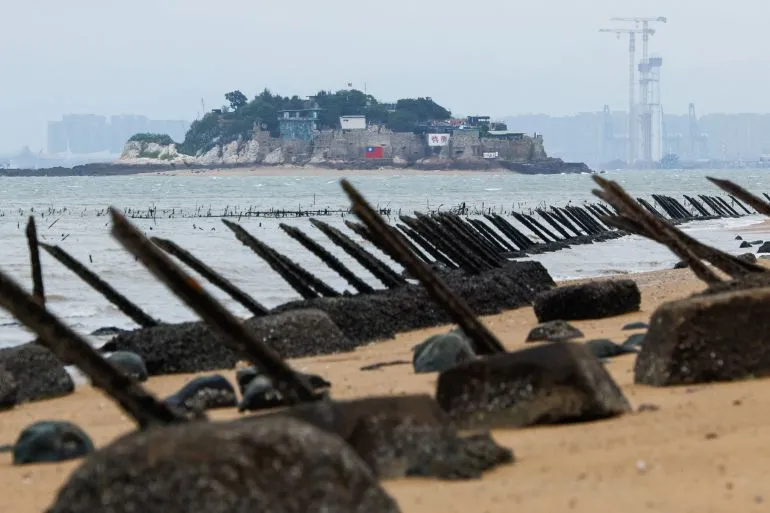
Taiwan's ruling Democratic Progressive Party (DPP) made substantial gains in the recent local elections, securing its best performance in ten years. The party doubled the number of constituencies it oversees by winning 10 of the 22 mayoral and county magistrate races. This outcome is expected to provoke a strong reaction from Beijing, which regards Taiwan as part of its territory and has previously labelled the DPP as separatist.
Under the leadership of President Lai Ching-te, the DPP improved significantly from its previous electoral performance four years ago, when it won only five races. The principal opposition party, the Kuomintang (KMT), while maintaining control in crucial areas, notably Taipei and New Taipei City, saw its victories decrease from 14 to 11.
The Chinese Communist Party (CCP) responded to the elections, stating that the results would not alter the historical trend towards reunification with Taiwan, regardless of internal political changes on the island. The Taiwan Affairs Office issued a statement emphasising its commitment to continue advocating for reunification goals while opposing what it refers to as separatism.
Although the local elections focused primarily on domestic issues, such as cost of living and wealth distribution, the implications for cross-Strait relations remain notable. Analysts suggest there could be mixed feelings in Beijing, as the DPP's gains are viewed positively by Taiwanese voters who tend to resist Beijing's unification efforts.
William Yang, a senior analyst at the International Crisis Group, commented that while Beijing may have concerns over the DPP's success, the KMT's retention of key capitals like Taipei provides some reassurance. The Taipei mayoral race featured a competitive run between the incumbent KMT's Chiang Wan-an and the DPP's Puma Shen, who has faced sanctions from China due to his political stance.
In his concession speech, Shen highlighted the significance of the electoral process, expressing hope for the future of democracy in Taiwan, regardless of the outcome. Thousands of supporters gathered to hear him speak, embodying the public's commitment to democratic values.
Prior to the elections, Taiwanese officials alerted the public to numerous incidents of suspected misinformation and election interference. This included reports of disinformation campaigns linked to China, as well as military pressure surrounding the island; Taiwan's defence ministry noted the presence of numerous Chinese warplanes and naval vessels in the waters near Taiwan.
Following the results, President Lai thanked the Taiwanese electorate for their support. The Taiwanese government urged China to respect the democratic process in Taiwan and to engage with its elected officials, calling for dialogue rooted in equality and mutual respect.
Despite the losses, KMT candidates expressed appreciation for their supporters and reiterated commitments to local governance and stability. Voter sentiment appears to remain complex, with many Taiwanese citizens increasingly aware of the challenges posed by mainland China, as demonstrated by public discussions regarding future governance and national independence amidst concerns over China’s increasing military assertiveness.
Iran Allegedly Utilises Starlink Against US Forces, Provoking Reaction from Elon Musk

Myanmar Airstrikes Target Wedding and Market, Causing Casualties
Eisenkot Demands Urgent Coalition Talks with Netanyahu Over Unity Government

California Earthquake Causes Significant Wine Loss in Retail Store