Surge in H1N1 Cases Prompts Government Response in Delhi


The capital city of India is witnessing a significant surge in H1N1 cases, commonly known as swine flu. Over 1,700 confirmed cases have been recorded in Delhi this year, prompting the central government to urge states to bolster surveillance efforts.
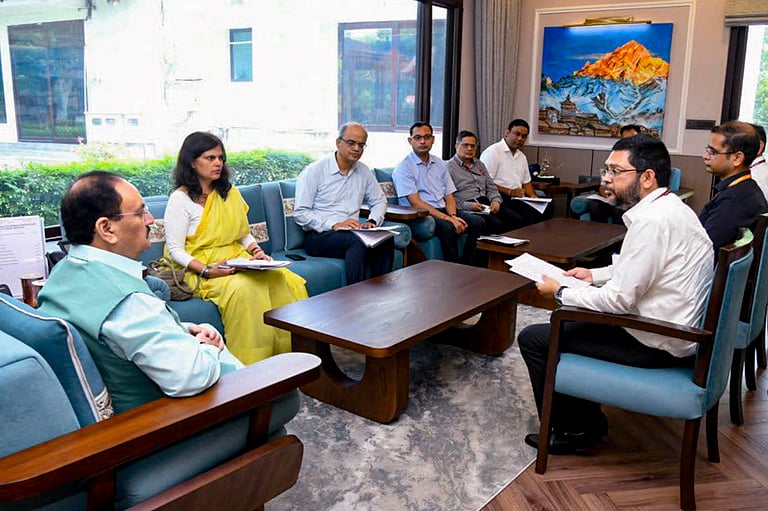
Union Health Minister JP Nadda conducted a review meeting amid rising infections, particularly focusing on Delhi and its neighbouring regions. During the meeting, he emphasised the necessity of closely monitoring influenza trends and effectively managing any unusual spikes in cases.
Nadda called for improvements in early detection, timely testing, and suitable clinical management of influenza cases. He also reviewed the readiness of healthcare facilities, including the availability of critical care resources such as hospital beds, oxygen-supported units, and essential medicines.
The minister highlighted the importance of a robust healthcare response, stressing the need for sufficient surge capacity and seamless referral processes for patients requiring specialised care. Public awareness and preventive measures are being emphasised, with an appeal for better respiratory and hand hygiene practices.
Individuals with severe respiratory symptoms are advised to seek medical assistance without delay. Dr. Harpreet Kaur, Medical Superintendent at Aakash Healthcare, indicated a noticeable increase in cases of both dengue and H1N1 in the capital.
"Early diagnosis and timely medical care can significantly improve outcomes, and there is no need for patients to hesitate in seeking assistance," Dr. Kaur stated. Additionally, Dr. Manav Manchanda from Asian Hospital noted that swine flu spreads rapidly through respiratory droplets, exacerbated by factors such as changing weather and increased indoor gatherings.
The Aam Aadmi Party (AAP) expressed alarm over the high incidence of flu-like symptoms among residents, particularly in school-aged children. Saurabh Bharadwaj, president of AAP Delhi, underscored the urgency for the government to raise awareness and ensure the availability of medical supplies.
"There is an alarming number of individuals falling ill with symptoms akin to H1N1, especially among children. The government must act decisively to control this surge," Bharadwaj stated.
As the situation continues to evolve, the Union Health Ministry is actively coordinating with various stakeholders to ensure effective surveillance and management of seasonal influenza, alongside monitoring other diseases such as dengue and malaria. The ministry is committed to maintaining a proactive stance in preventing and controlling these health challenges.
Kerala Initiates Probe into 2006 Suicide Case Involving CEC
Extradition of Sheikh Hasina Feasible, Says Indian High Commissioner

Punjabi Makeup Artist Mad Sandhu Shot Dead in Amritsar

India Achieves Fourth Place at Asian Games 2026 Through Late Success