Supreme Court Requests Government Response on Vande Mataram Status


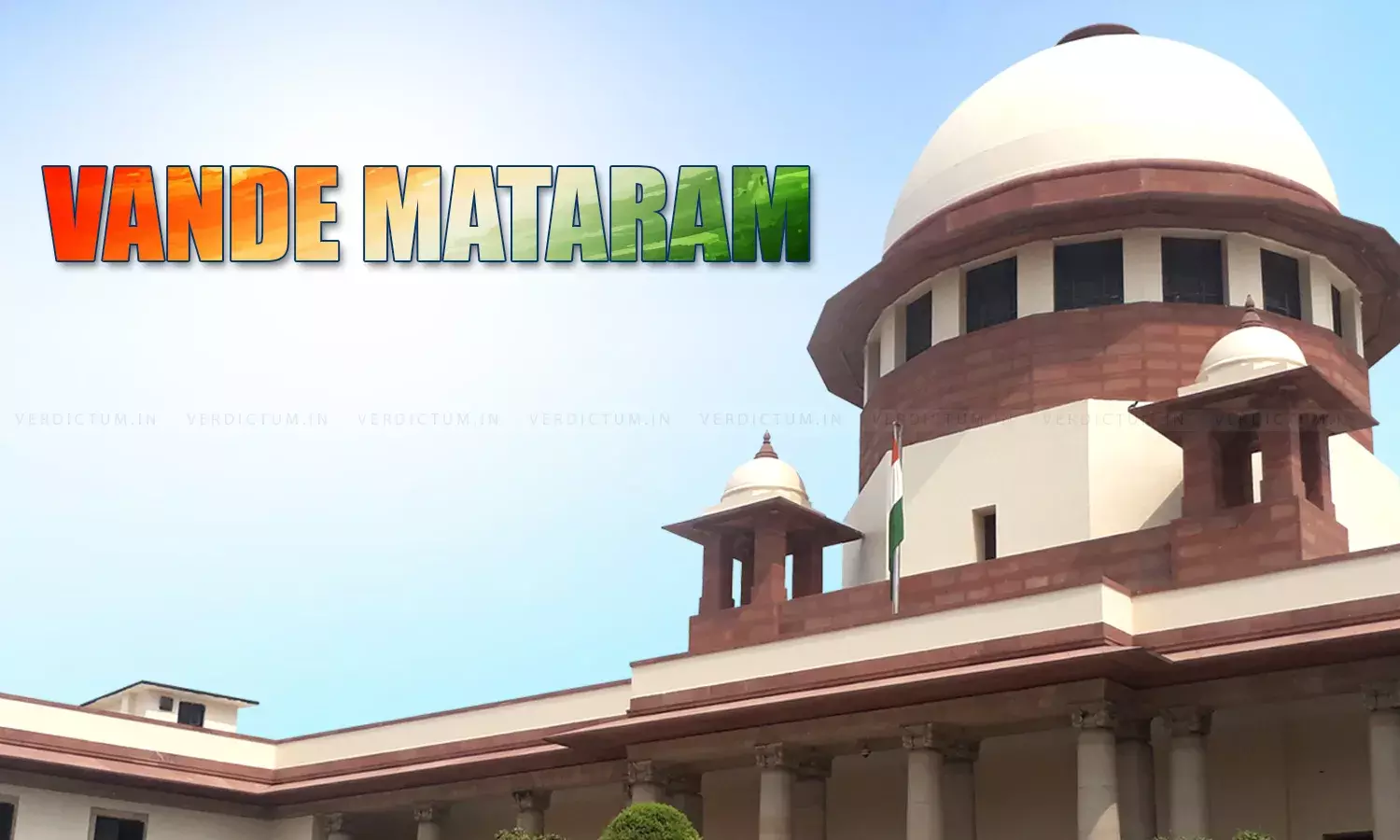
The Supreme Court of India has requested a response from the Union Government concerning a public interest litigation (PIL) that advocates for the song 'Vande Mataram' to be given equal status to the national anthem 'Jana Gana Mana'. This transfer petition was filed by advocate Ashwini Upadhyay, seeking to move the case from the Delhi High Court to the Supreme Court due to a similar writ petition pending in the higher court.
In earlier proceedings, the Supreme Court had directed the government to respond to a writ petition submitted by Carnatic musician T.M. Krishna, arguing against the constitutional validity of the amendment made in 2026 to the Prevention of Insults to National Honour Act, 1971. This amendment criminalises any insults directed towards 'Vande Mataram'.
The bench, comprising Chief Justice Surya Kant, Justice Joymalya Bagchi, and Justice V Mohana, issued the notice in relation to Upadhyay's petition. He represented himself during the proceedings, aiming to resolve the issue of the song's status concurrently with another related case.
Upadhyay's plea describes 'Vande Mataram' as a pivotal symbol of India's independence, highlighting its historical significance during the freedom struggle against British colonial rule. He noted that the slogan 'Vande Mataram' inspired large gatherings and rallies, which were often met with repression from the British authorities, who banned its public utterance and imprisoned individuals who defied this ban.
The song was originally composed by Bankim Chandra Chatterjee and first published in 1882. Its first public performance occurred at the Indian National Congress session in 1896. According to references in the petition, historical figures like Rabindranath Tagore and Sarala Devi Chaudurani played significant roles in popularising it.
Furthermore, the petition cites a statement from Dr. Rajendra Prasad, the Chairman of the Constituent Assembly, acknowledging the historical importance of 'Vande Mataram' and advocating for its equal recognition alongside the national anthem. The petitioner has argued that disrespect towards the song is an anti-social act and has called for a national policy to support its promotion.
Upadhyay’s contention is that India is a unified nation, and respect for both 'Vande Mataram' and 'Jana Gana Mana' is a civic duty. He further posited that having parallel proceedings on such a vital issue in different courts could lead to inconsistent judgements and a waste of judicial resources. He urged for the transfer of the petition to ensure a cohesive legal approach.
The Supreme Court's engagement with this case may provide clarity on the legal standing of 'Vande Mataram' in relation to national identity and the country's historical context, much of which remains a topic of national discussion.
The ongoing debate over 'Vande Mataram' continues to evoke diverse sentiments across religious and cultural lines, reflecting India's intricate socio-political fabric as it navigates its diverse identities and historical legacies.
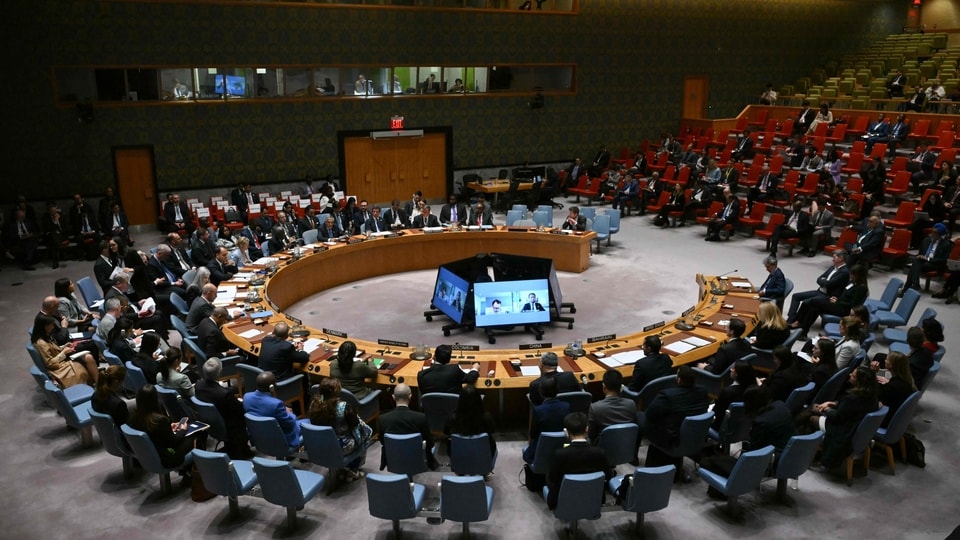
India Advocates Veto Power for All UN Security Council Members

Cyclone Arnab Strikes Andhra Pradesh with Heavy Rainfall
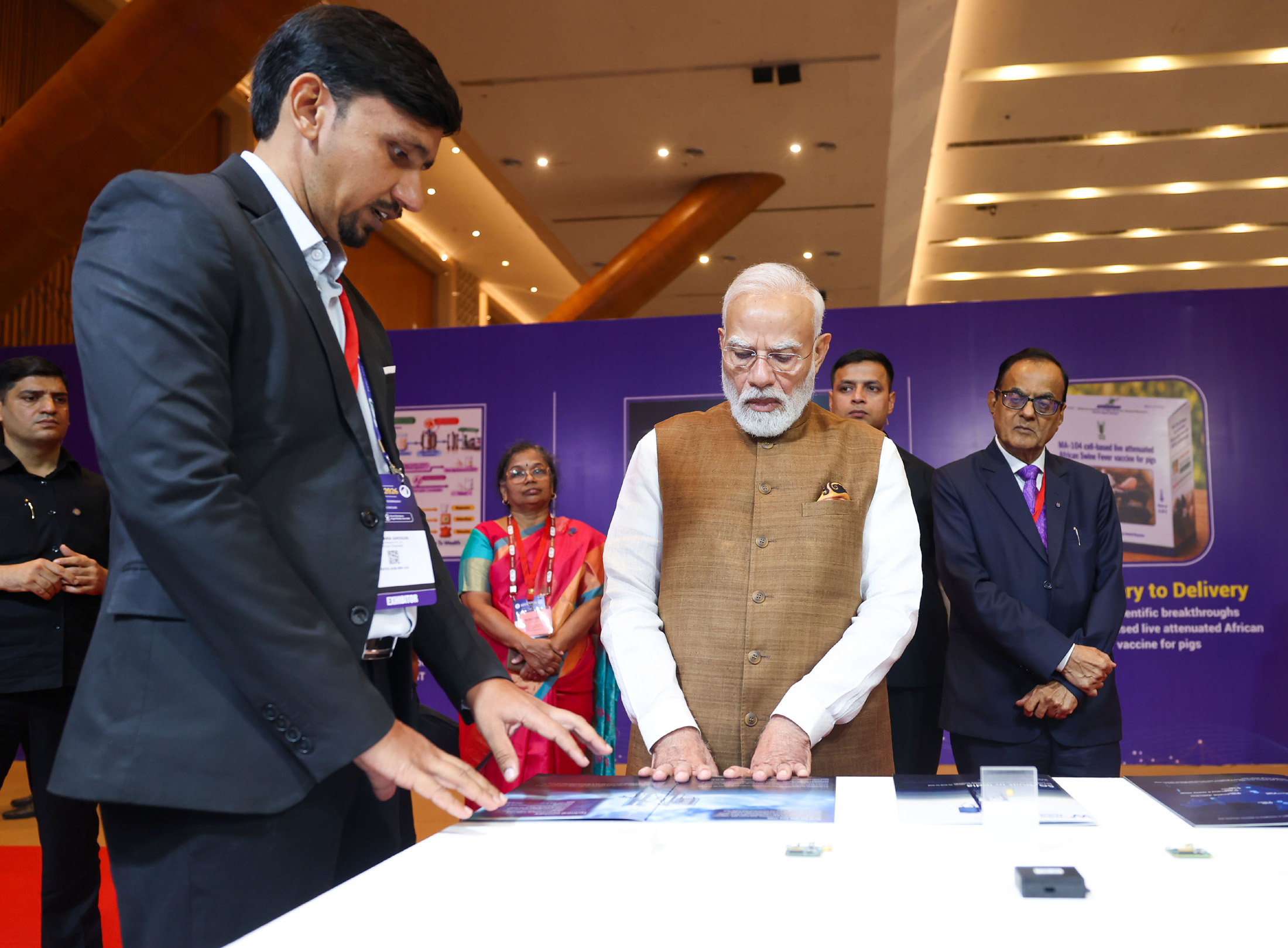
Indian Prime Minister Speaks on Science and Societal Benefits
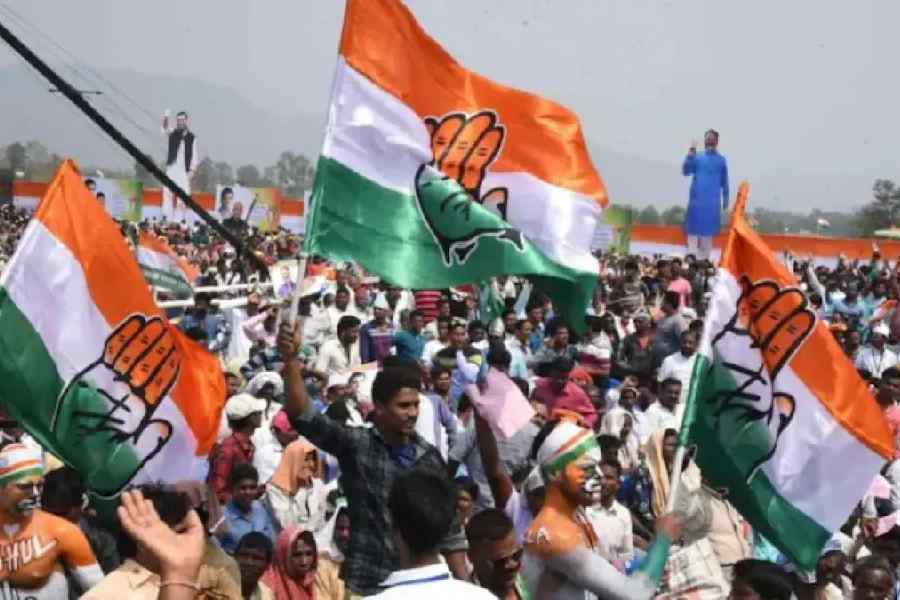
Opposition to Conduct Public Impeachment of Chief Election Commissioner