Supreme Court Recognises Acid Ingestion Victims Under Disability Act


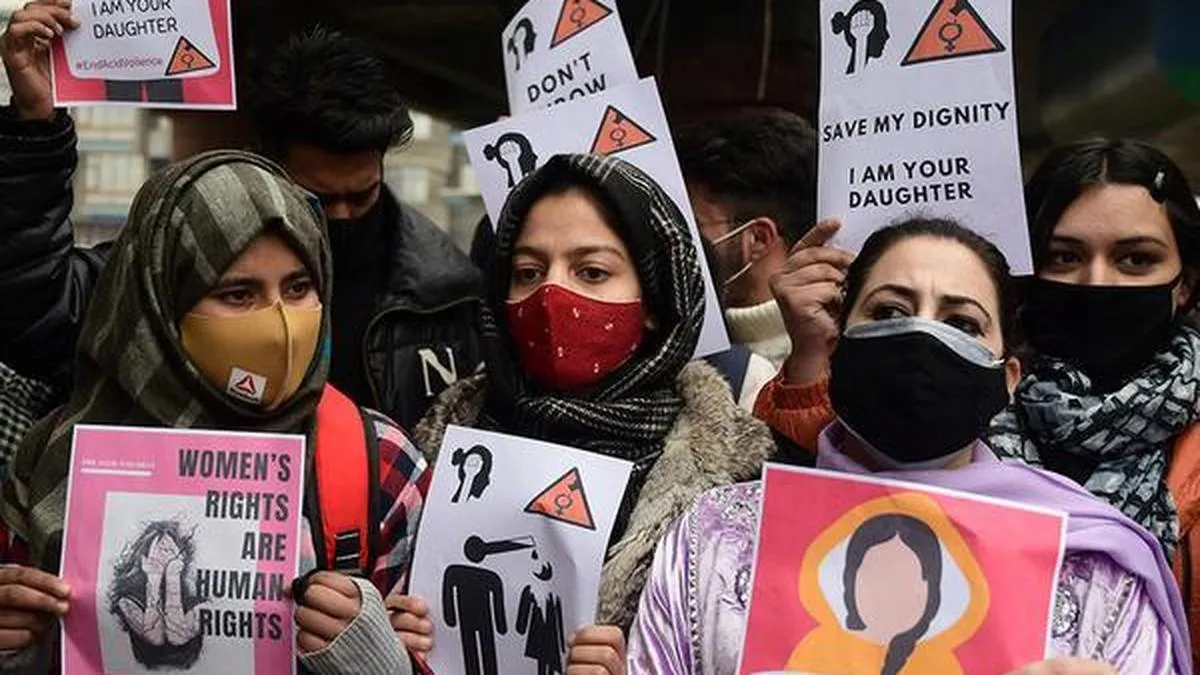
In a landmark decision, the Supreme Court of India has recognised individuals who have been forcibly made to consume acid as victims entitled to benefits under the Rights of Persons with Disabilities Act, 2016. Previously, the Act only acknowledged victims of acid-throwing incidents, thereby excluding those who suffer from internal injuries without visible external disfigurement.
The ruling, which took effect on May 4, 2026, addressed significant gaps within the existing legal framework. The Supreme Court clearly stated that the clarification would apply retroactively to the 2016 Act, ensuring that individuals affected prior to this ruling also gain access to necessary support and benefits.
The decision stemmed from a writ petition filed by acid attack survivor Shaheen Malik, who brought attention to the legislative oversight regarding acid ingestion victims. Senior Advocate Mukul Rohatgi represented Malik in court. In response to the petition, Chief Justice Surya Kant and Justice Joymalya Bagchi mandated that pending a formal amendment by the Union, all references to 'acid-attack victims' will now include those forced to ingest acid.
The Court’s directive also indicated that the definition of 'acid-attack victims' will encompass individuals suffering internal injuries, even if they do not exhibit external signs of harm. This clarification suggests that the design of the original Act did not fully consider the broad spectrum of damages caused by acid-related attacks, which can be both physical and psychological.
Amidst this clarification, the Supreme Court urged the government to contemplate imposing stricter penalties for acid attack offences. It emphasised the necessity for a shift in the legal burden of proof onto the accused in such cases. During the proceedings, Chief Justice Kant underscored the need for the harshest legal consequences permissible, advocating for measures such as attaching the assets of perpetrators as compensation for victims.
The Court also highlighted concerns regarding the accessibility of acid in India. Chief Justice Kant remarked that the ease of purchasing acid could be reconsidered, proposing that sellers might be held liable for illegal sales in certain circumstances.
The Union government's Solicitor General Tushar Mehta assured the Court that a preliminary proposal for an amendment to the Rights of Persons with Disabilities Act was already under consideration. The Supreme Court indicated that it would be beneficial for the Ministry to formally adopt the proposed changes, ensuring greater protection and support for acid attack victims.
This ruling is seen as a significant step towards inclusivity and justice for those affected by such violent acts, expanding the legal system’s recognition of varied forms of harm resulting from acid attacks. Victims can now seek the disability benefits they deserve, which aim to empower them and support their recovery in society.

Mamata Banerjee Challenges Election Commission in Supreme Court

Telangana High Court Disqualifies MLA Danam Nagender Amid Political Fallout

Scottish Sikh Man Receives Bail in India After Nine-Year Detention

Delhi Police Investigate Gang-Rape and Murder of 16-Year-Old Girl