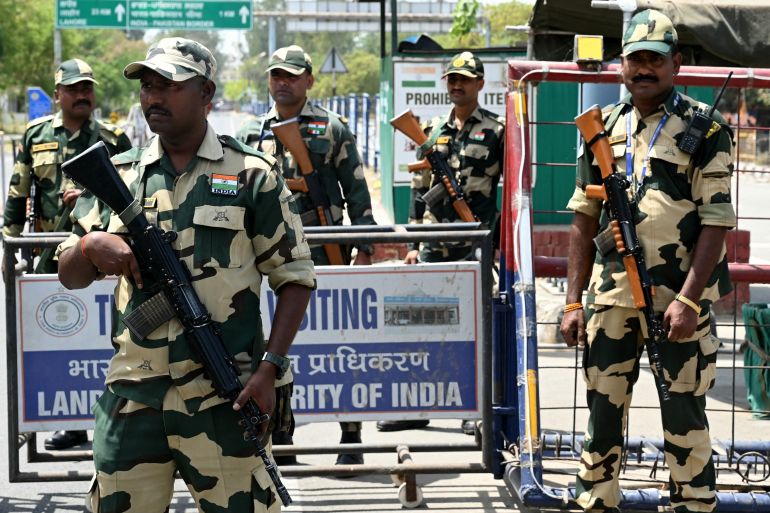
Supreme Court Dismisses DMK's Plea on Karur Stampede Comments


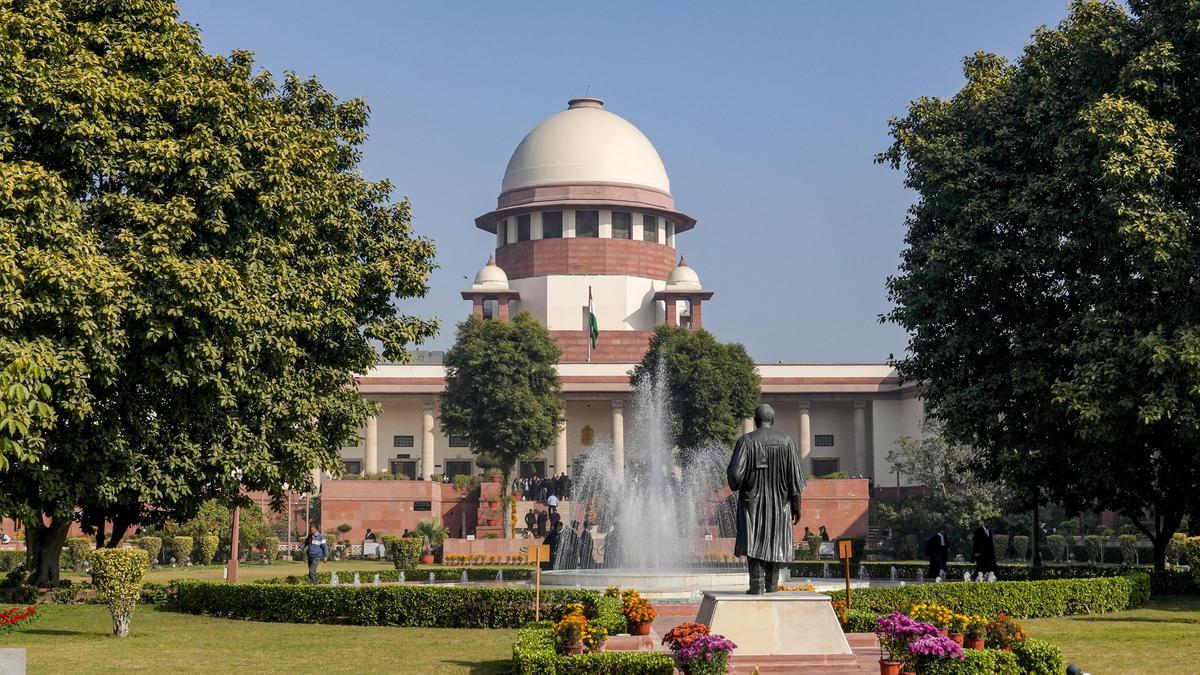
On 6 July 2026, the Supreme Court of India declined to entertain an application from the General Secretary of the Dravida Munnetra Kazhagam (DMK) aimed at preventing Tamil Nadu Chief Minister C. Joseph Vijay and other ministers from making public statements about the ongoing investigation into the Karur stampede. This tragic incident, which occurred during a political rally, resulted in 41 fatalities and numerous injuries.
The application, which was filed ahead of a planned meeting where Chief Minister Vijay intended to provide compensation to the victims' families, sought to restrict the officials' public interactions and statements while the Central Bureau of Investigation (CBI) is conducting its inquiry. The Supreme Court had previously mandated the CBI investigation following the incident.
The bench, led by Justice K.V. Viswanathan, expressed reservations about regulating the Chief Minister's public engagements, suggesting that the DMK should engage in 'more speech' rather than pursue a judicial gag on free expression. Justice Viswanathan questioned whether the application aimed to impose an injunction on free speech, stating, 'You counter their speech with your speech. How does the Supreme Court allow the impleadment of a political rival?'
Senior Advocate Ranjit Kumar represented the DMK and contended that public comments from the ruling Tamilaga Vettri Kazhagam (TVK) leaders were creating a prejudiced narrative regarding the events surrounding the stampede, which could harm the integrity of the investigation.
Justice Viswanathan clarified that Vijay had not been named as an accused in the First Information Report (FIR) related to the case. He emphasised the necessity of reviewing the facts stated in the application, stating, 'The accused are some who are the ministers, not the Chief Minister.'
Kumar expressed concerns over possible influences on the investigation resulting from the Chief Minister's interactions with victims’ families. However, Justice Viswanathan pointed out that previous compensation efforts had not disrupted the investigative process.
The Court ultimately dismissed the application, allowing the applicant to pursue other legal remedies as necessary. Ranjit Kumar later sought to withdraw the application, noting intentions to possibly address the matter with a committee monitoring the investigation, chaired by a retired judge.
The emotive nature of the case stems from a tragedy that disrupted public life in Tamil Nadu, raising questions about the responsibilities of political leaders during sensitive investigations. The bench made it clear that political disputes should be resolved outside judicial circles, reiterating the separation between political discourse and court interventions.
This ruling highlights the ongoing tension between political narratives and legal processes in India, as the investigation into the events surrounding the Karur stampede continues to unfold.
Kerala Initiates Probe into 2006 Suicide Case Involving CEC
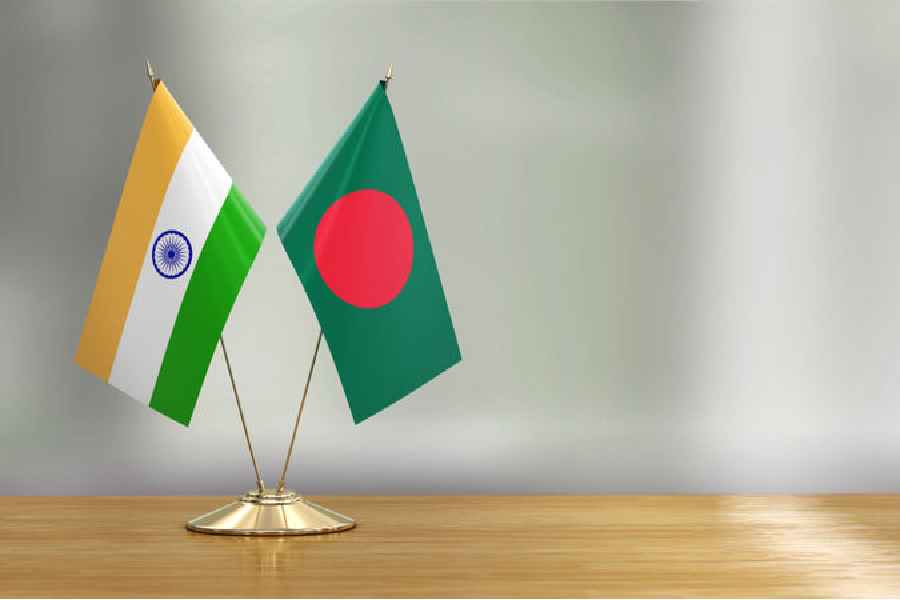
Extradition of Sheikh Hasina Feasible, Says Indian High Commissioner

Punjabi Makeup Artist Mad Sandhu Shot Dead in Amritsar
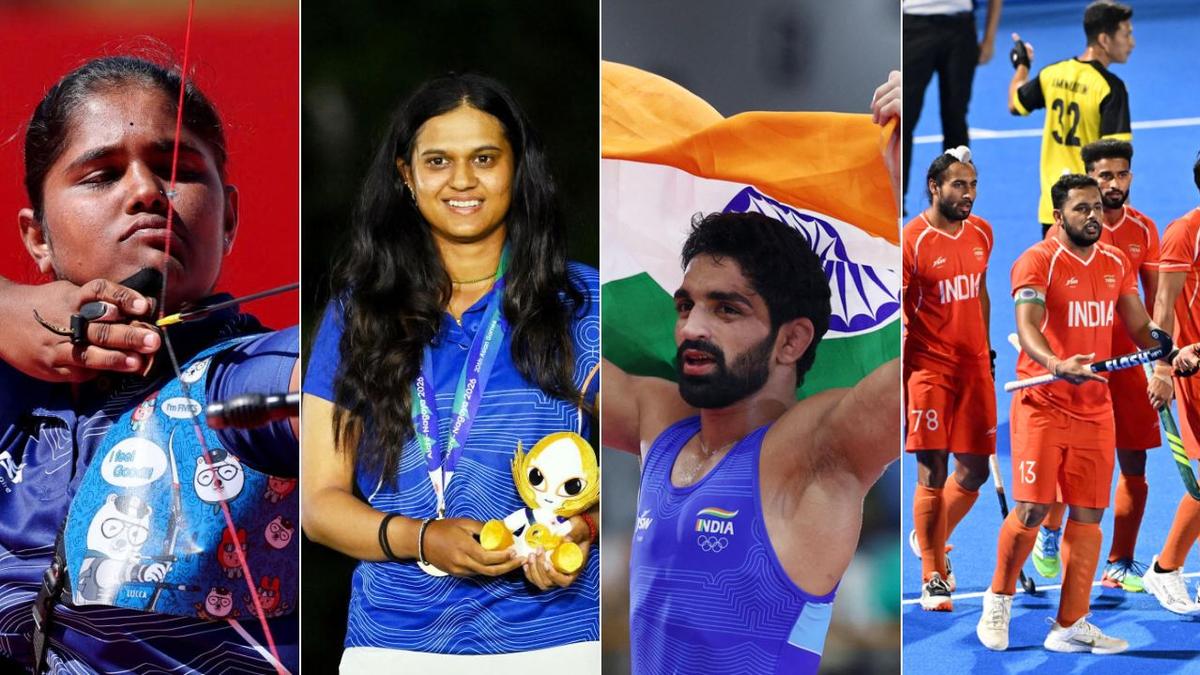
India Achieves Fourth Place at Asian Games 2026 Through Late Success