Study Confirms No Link Between Childhood Vaccines and Epilepsy Risk


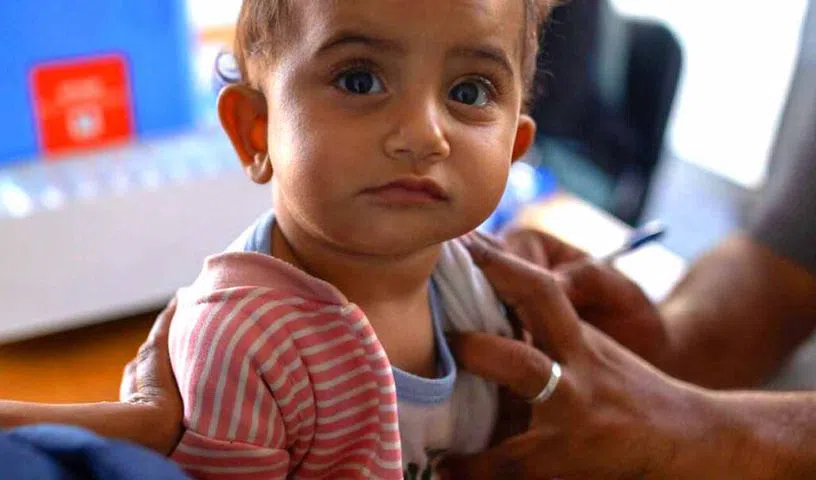
A comprehensive study led by the Centres for Disease Control and Prevention (CDC) in the United States has concluded that routine childhood vaccinations do not contribute to an increased risk of epilepsy in young children. This research is significant as it addresses longstanding concerns among parents regarding the safety of vaccines.
Over the years, various public health debates have emerged surrounding vaccinations, particularly concerning potential side effects. Among these, the possibility of a link between vaccines and epilepsy has been a point of concern for many caregivers. The findings from this recent study provide important evidence aimed at assuaging these fears.
In addition to confirming the safety of routine vaccinations, the study also examined the effects of aluminum exposure from vaccine adjuvants. These adjuvants are substances that enhance the body’s immune response to vaccines and often contain aluminium salts. The research found no correlation between cumulative aluminium exposure from these adjuvants and the development of epilepsy in vaccinated children.
Dr. Jane Smith, one of the researchers involved in the study, stated, “Our findings help to clarify the safety profile of childhood vaccines and reinforce the importance of vaccinations in preventing serious diseases.” This statement underscores the critical role that vaccines play in public health by protecting against infections that can have severe consequences.
The study adds to a growing body of evidence suggesting that vaccines are not only effective in disease prevention but also safe for children. Public health officials continue to advocate for vaccination as essential in safeguarding both individual and community health.
Health experts recommend that parents follow the immunisation schedules established by their countries' health authorities to ensure that children receive vaccinations at appropriate ages. Routine childhood vaccines included in these schedules may prevent diseases such as measles, mumps, and rubella, which can cause significant health issues.
This study has been welcomed by paediatric health organisations and reinforces the need for ongoing education to help mitigate vaccine hesitancy among parents. The CDC has consistently maintained that vaccines undergo rigorous testing for safety and efficacy before being approved for public use.
As the debate over vaccine safety continues in various parts of the world, this research offers reassurance based on scientific evidence, encouraging informed decision-making among parents regarding the health of their children.

Kerala Initiates Probe into 2006 Suicide Case Involving CEC

Extradition of Sheikh Hasina Feasible, Says Indian High Commissioner

Punjabi Makeup Artist Mad Sandhu Shot Dead in Amritsar

India Achieves Fourth Place at Asian Games 2026 Through Late Success