Severe Flooding in Sri Lanka Claims Lives Amid Cyclone Ditwa


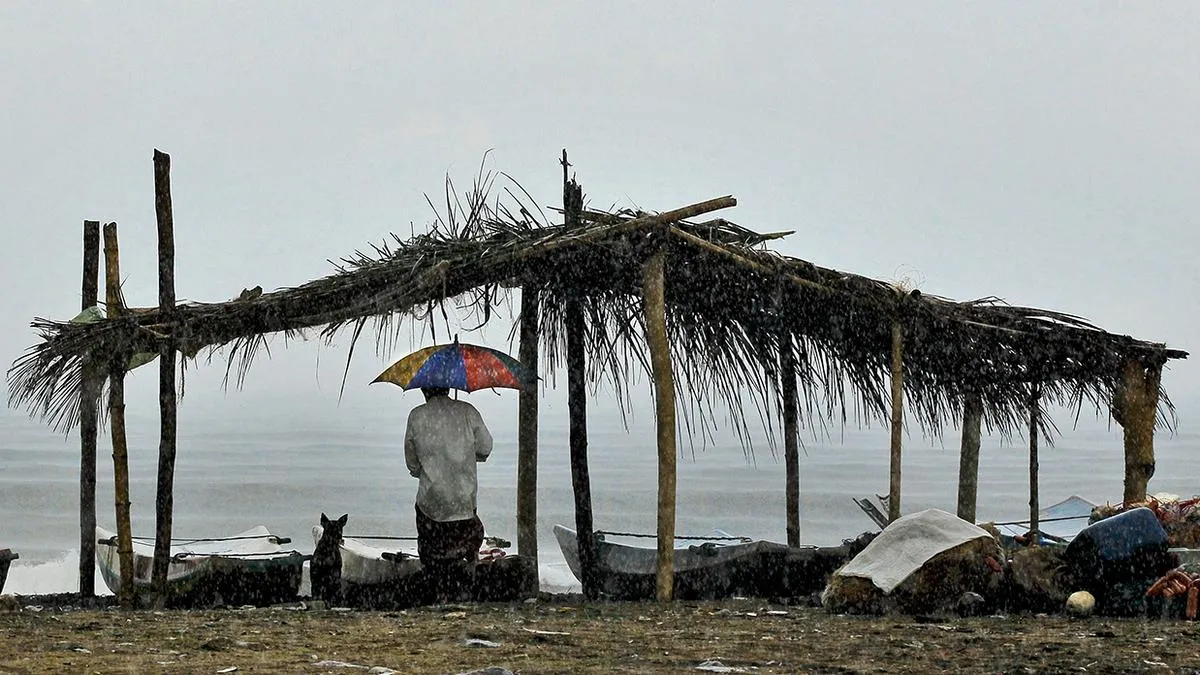
Severe flooding and landslides caused by heavy rainfall in Sri Lanka have resulted in at least 56 fatalities and 21 people reported missing, making it one of the most devastating weather-related disasters in recent years. The Disaster Management Centre (DMC) confirmed that a landslide in the central tea-growing district of Badulla claimed the lives of 21 individuals when it struck their homes overnight.
Cyclone Ditwa, which brushed past the eastern coast of the island on Friday, has exacerbated the situation by bringing additional rainfall. Social media footage illustrates the extent of the disaster, with homes being swept away by the rising waters as floodwaters inundate towns. Consequently, most train services across the country have been suspended.
Initially classified as a deep depression, Ditwa intensified into a cyclone, resulting in rising river levels. The DMC has urged residents in low-lying regions to evacuate to higher ground. A red-level flood warning has been issued for areas surrounding the Kelani River valley, which includes the capital, Colombo, and is expected to be in effect for the next 48 hours.
During a parliamentary session on Friday, Sri Lankan Member of Parliament Ajith Perera raised urgent concerns regarding a bus that had become stranded near the Kala Wewa reservoir for over an hour. "I have been getting multiple reports of a bus that has been stranded... urging the government to facilitate the approval of a helicopter to rescue the passengers," he stated.
Minister of Justice Harshana Nanayakkara confirmed the situation, stating that the police had ordered the bus to stop due to hazardous conditions. He reassured lawmakers that armed forces had been deployed, and a helicopter had been authorised for the rescue operation.
In Anuradhapura, military helicopters undertook three rescue missions on Friday morning to assist individuals trapped by the extreme weather and the overflow from the Kala Wewa. One successful airlift involved a man who had sought refuge atop a coconut tree overnight, according to the Sri Lankan Air Force.
The Sri Lanka Meteorological Department has forecasted that some central and northern areas may experience over 200 millimetres (7.8 inches) of rain on Friday. Key roads linking various provinces have been closed, and the Railway Department has announced the suspension of all train services, except for a few essential routes, from 06:00 on Friday.
The DMC reported that approximately 44,000 individuals have been affected by the severe weather. In response, around 20,500 army personnel have been deployed to assist with relief and rescue operations throughout the country. Additionally, students scheduled to take the Advanced Level Exams have had their examinations postponed due to the adverse conditions.
Sri Lanka is currently in the midst of its monsoon season, although such extreme weather events are uncommon for the region. The most catastrophic flooding in the 21st century occurred in June 2003, resulting in 254 deaths and the displacement of hundreds of thousands.
This flooding in Sri Lanka coincides with widespread flooding across Southeast Asia, which has also faced significant weather-related challenges, affecting millions in Indonesia, Malaysia, and Thailand.

Kerala Initiates Probe into 2006 Suicide Case Involving CEC

Extradition of Sheikh Hasina Feasible, Says Indian High Commissioner

Punjabi Makeup Artist Mad Sandhu Shot Dead in Amritsar

India Achieves Fourth Place at Asian Games 2026 Through Late Success