Revisiting the Global Implications of the 26/11 Mumbai Attacks


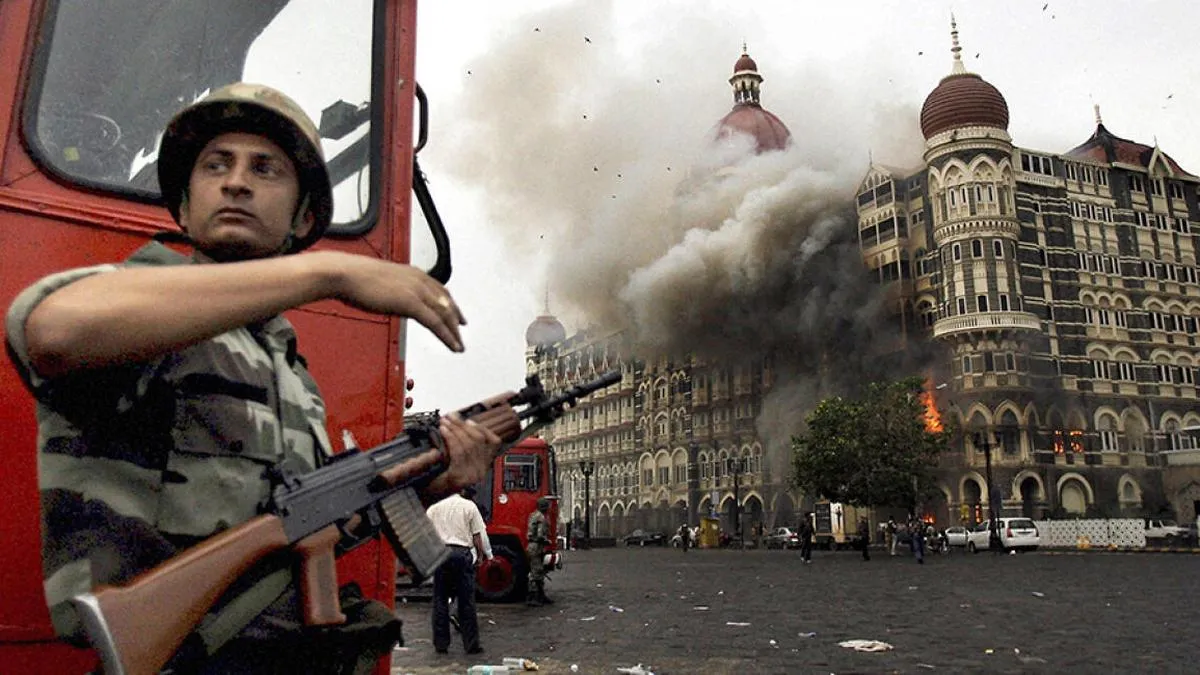
On the night of 26 November 2008, a group of ten armed terrorists landed on the shores of south Mumbai, altering the course of security discussions worldwide. Over the ensuing sixty hours, they unleashed chaos across the city, attacking key locations such as Chhatrapati Shivaji Terminus, the Taj Mahal Palace Hotel, and Nariman House. Ultimately, 166 individuals lost their lives and more than 300 were injured during this unprecedented assault.
The international narrative of the 26/11 attacks has largely framed them as another incident in the longstanding India-Pakistan conflict. However, this interpretation overlooks the wider ramifications of the event. The terrorist operation was not limited to local grievances; it was a concerted international effort anchored in Pakistan, highlighting a troubling convergence of state-sponsored and transnational terrorism.
The attackers not only targeted Indian civilians but also specifically sought out foreign nationals, killing an estimated 26 to 30 foreigners, which included six Americans and six Israelis. This strategy aimed to create a global outcry and resonate with a broader ideological message linked to global jihad. The targeting of a Jewish site marked a significant shift in Lashkar-e-Taiba's (LeT) approach, indicating a strategy designed to maximise international shock.
Significantly, the assault's planning showcased an intricate transnational infrastructure that supported the terrorists. Notably, Ajmal Kasab, one of the attackers captured alive, revealed critical information during his interrogation, including the attackers' training in Pakistan and their logistics. He confirmed that the ten attackers had sailed from Karachi to Mumbai on a hijacked vessel, setting the stage for the chaos that followed.
The operation was orchestrated from a control room in Karachi, where officials from Pakistan’s Inter-Services Intelligence (ISI) and leaders of Lashkar-e-Taiba managed the attacks in real-time through sophisticated communications. They used advanced technology to lend credibility to their operations and evade detection, showcasing a blend of local and global assets that allowed them to evade jurisdictional limits.
Key figures in the orchestration, such as David Coleman Headley, who conducted extensive surveillance of the targets, illustrate the international dimension of the conspiracy. Headley's actions were backed by a network operating from diverse locations, highlighting how terror cells have reconfigured traditional operational boundaries.
Despite international pressure for accountability, efforts to bring the masterminds to justice faced substantial obstacles. Investigations were hindered by a lack of cooperation from Pakistani authorities, leaving many perpetrators unprosecuted and raising questions about state complicity.
In summary, the 26/11 attacks were not merely a regional issue; they were a stark reminder of the evolving nature of global terrorism, capable of crossing borders effortlessly. As nations grapple with the implications of this tragedy, the need for a coordinated international response to combat terrorism remains crucial. The legacy of 26/11 highlights the importance of vigilance in the fight against a multifaceted threat that continues to evolve and adapt to global security frameworks.

Indian Democracy Celebrated on Constitution Day 2026

Supreme Court Petition Seeks Lamp Lighting at Thiruparankundram

Vaibhav Sooryavanshi Breaks Records with Double Century at 15

Mizoram Sees Decrease in New HIV Infections, Reports Official