Paraguay’s President Santiago Peña Impeached Amid Banking Crisis


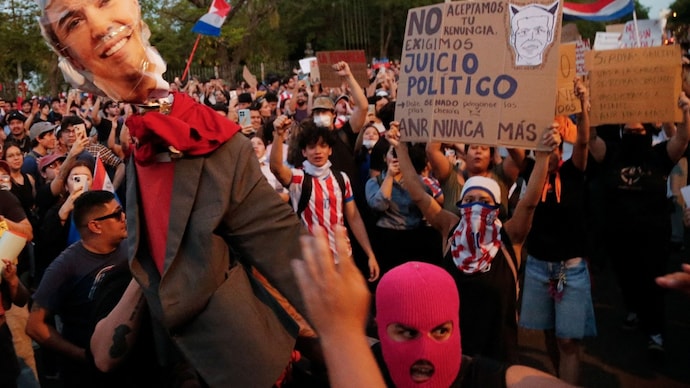
Paraguay's President Santiago Peña has been impeached and placed under house arrest after a major banking crisis involving Ueno Bank, a digital bank linked to his private business interests. The impeachment occurred on the same day that lawmakers, including members of Peña's own political party, cast a unanimous vote to remove him from office due to escalating concerns following the bank's collapse earlier in the week.
Santiago Peña, a former economist and finance minister, found himself at the centre of controversy as he had previously held shares in Grupo Vásquez, the conglomerate that controlled Ueno Bank. Following the bank's severe financial deterioration, regulators intervened on November 3, triggering widespread protests as over half of Paraguay's population faced restrictions on accessing their savings. Reports suggest that around three million depositors are currently unable to retrieve their funds, sparking unrest particularly in the capital, Asunción.
Peña had initially offered to resign on November 5, but senators chose to impeach him instead, accusing him of conflicts of interest and misconduct in office. This decision effectively stripped him of the immunity that typically protects former presidents. The Senate approved the impeachment with 44 votes in favour and only one senator absent, with Senate President Basilio Núñez stating that Peña was guilty of “dereliction of duty.”
In the wake of his removal, Vice-President Pedro Alliana was sworn in as interim President, promising to ensure that victims of the bank’s collapse will receive compensation. He stated, “Compatriots who are now going through a difficult time as a result of the financial collapse will be fully compensated.”
The rapid fallout from Ueno Bank's troubles has been significant. Following its seizure by Paraguay's central bank due to substantial losses and inadequate capital, the situation escalated into a full-blown political crisis. Analysts believe that Peña could now face prosecution over his alleged role in the crisis, which includes accusations of influence peddling and misappropriation of funds.
Responding to the allegations, Peña’s defence lawyer characterised the accusations as “reckless” and “opportunistic.” In a televised address earlier, Peña expressed regret over the situation and stated, “It was never my intention to betray the trust you placed in me.”
As demonstrations continue, public trust in the government appears to erode further. Senator Rafael Filizzola remarked that this incident represents “the biggest corruption scandal in our democratic history,” calling it a severe blow to state credibility and public confidence.
As the crisis deepens, authorities are continuing their investigations into the matter. Santiago Peña is set to be questioned by prosecutors about his actions related to breaches of trust and possible misuse of public office. This situation not only highlights the fragility of the financial system in Paraguay but also raises significant concerns about the potential for wider systemic issues within governmental oversight and operations.
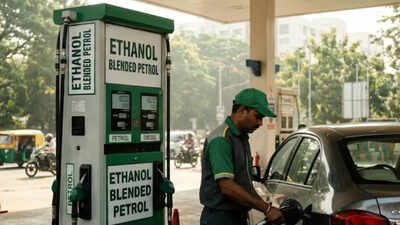
Karnataka Government Claims Petrol Contains Excessive Ethanol Levels
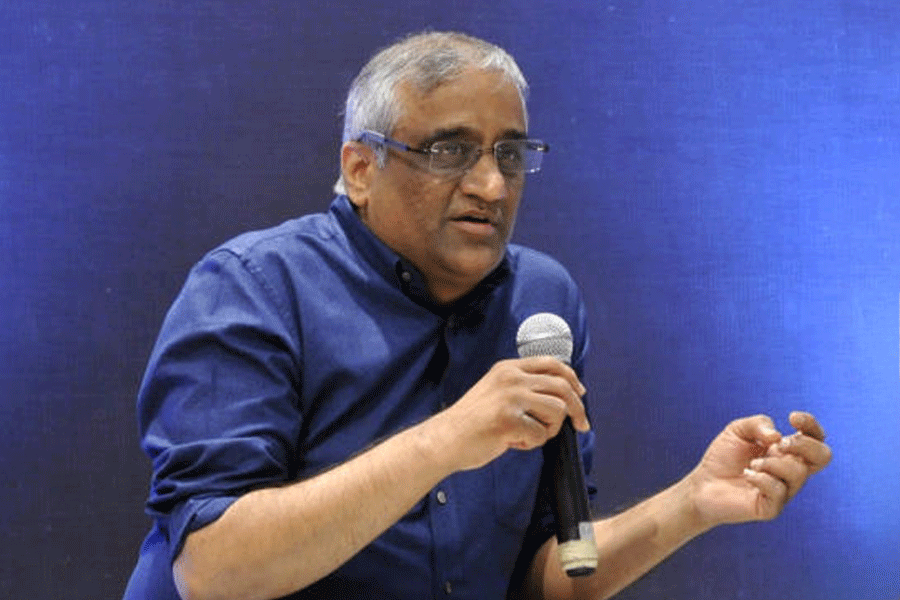
CBI Charges Future Retail's Kishore Biyani in ₹904 Crore Fraud Case
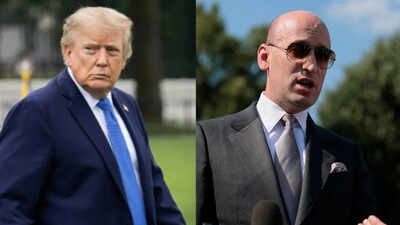
Stephen Miller: Key Architect of Trump's Immigration Policies

Indian-Americans Lead Democratic Success in 2026 US Midterms
