Pakistan Faces $40 Billion Economic Loss From Trade Suspension with India


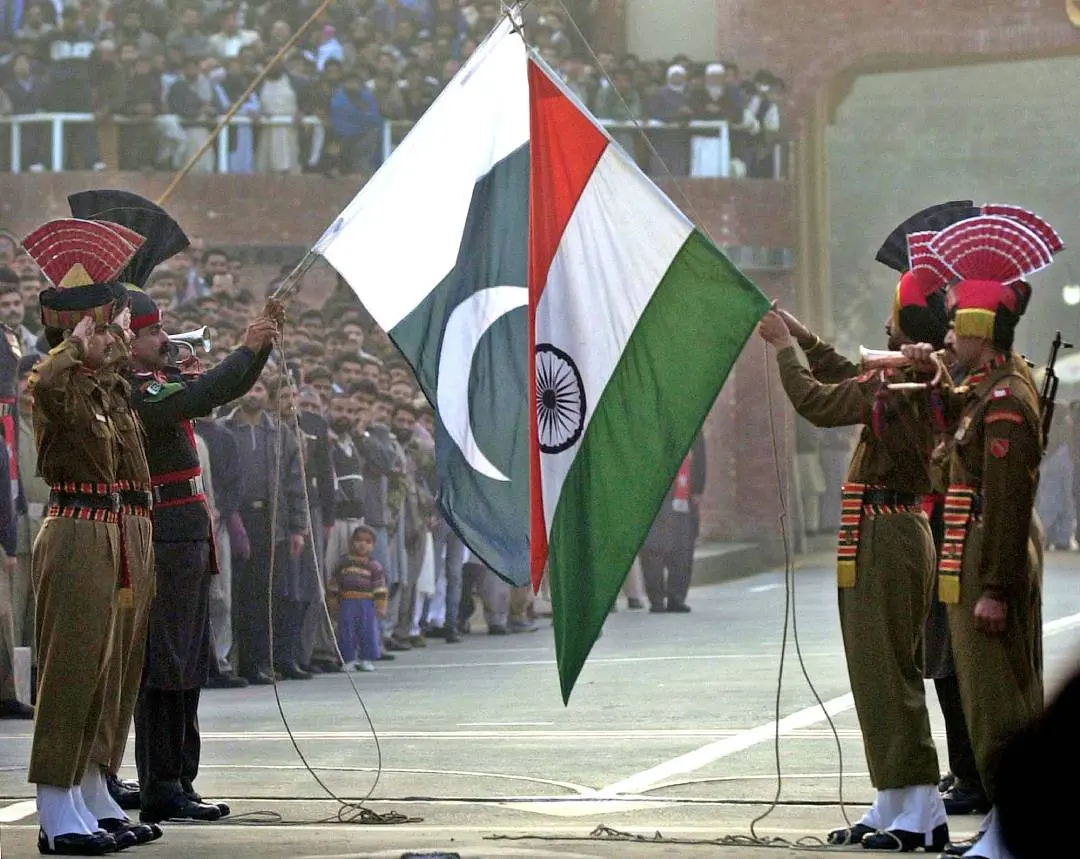
Pakistan has reportedly experienced economic losses totalling approximately USD 40 billion following the suspension of trade with India in 2019. This halt in trade was initiated after heightened tensions in the region, particularly following the Pulwama terror attack. Noor Muhammad Qasuri, the chairman of the Pak-India Business Council, underscored the pressing need to restore commercial relations, stating that such a move would be mutually beneficial for businesses in both nations.
The trade freeze has substantially increased costs for Pakistan, especially for essential goods that are typically sourced from India. Industries such as textiles and pharmaceuticals have reported struggles due to heightened transportation expenses and sourcing challenges. Qasuri highlighted the detrimental effects on the pharmaceutical sector, which relies heavily on raw materials from India, suggesting that resuming imports could save the industry between USD 2 billion and USD 3 billion annually.
In the textile sector, the situation has been particularly dire as reduced domestic cotton production has forced mills to source cotton from countries such as Brazil, Egypt, and the United States, resulting in an additional expenditure of around USD 5 billion. Furthermore, Pakistan has been forced to import various commodities, including sugar, fertilisers, and heavy machinery from further afield, despite India's significant production capabilities in these sectors.
Qasuri pointed out that restoring trade with India could lower transport costs and guarantee timely supplies, especially for petroleum products, which could be imported more economically due to the geographical proximity of Indian refineries.
He also acknowledged a worrying trend in agricultural practices, where many farmers in traditional cotton-growing regions are shifting towards sugarcane cultivation, ultimately affecting the textile industry and the broader economy. Qasuri called for improved agricultural policies to revitalise domestic cotton production.
The chairman reiterated that resuming trade would not only benefit businesses in both countries but also foster investment, tourism, and regional cooperation. He suggested that Pakistan could attract more Indian tourists, particularly those keen to visit historical and ancestral sites.
Qasuri cited the example of India's financial support to Sri Lanka during its economic challenges as an illustration of how neighbouring countries could assist one another during difficult times. He concluded by asserting that political differences should not hinder economic exploration, advocating for dialogue to resolve outstanding disputes. "Pakistan and India share historical, cultural, and familial bonds that provide a foundation for improved relations," he said, emphasising the potential advantages of reinstating trade between the two nations.
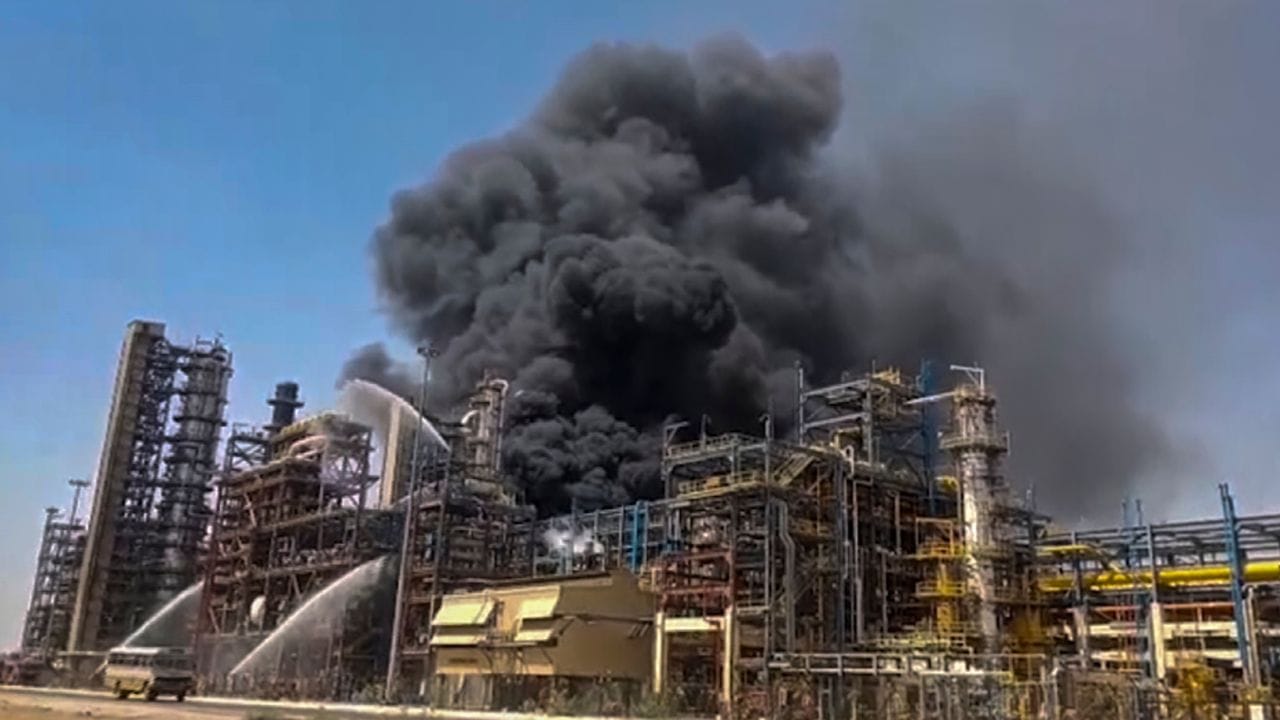
Major Blaze Erupts at HPCL Visakhapatnam Refinery with No Injuries
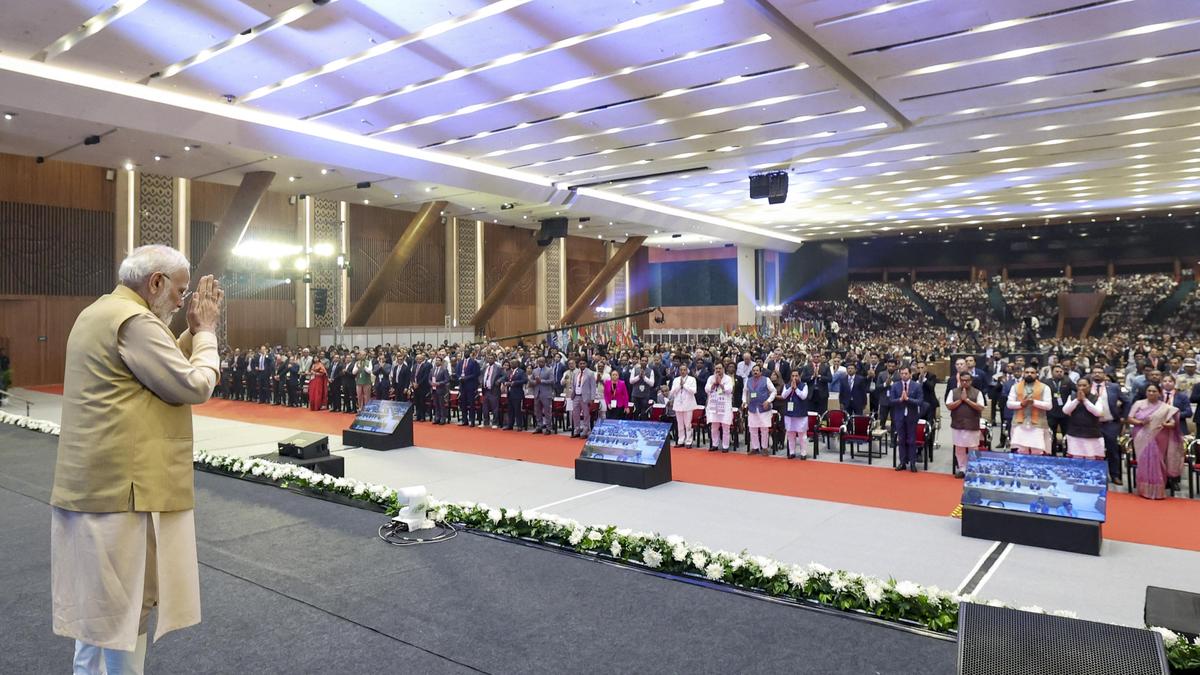
India Leverages Clean Energy Investments Amid Global Crises
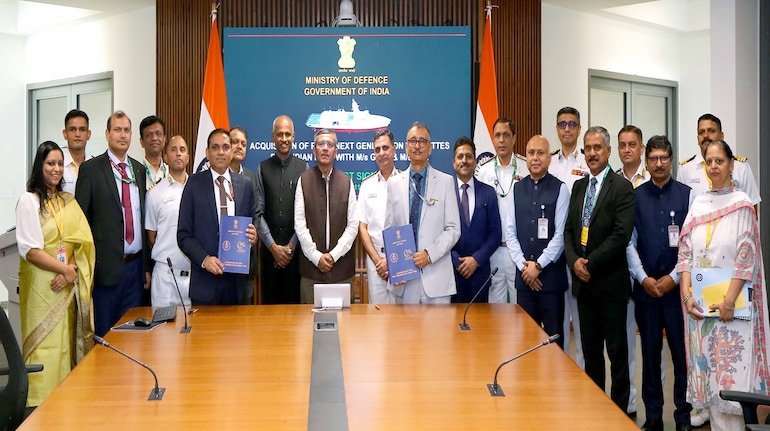
India Finalises ₹53,866 Crore Deal for eight Warships
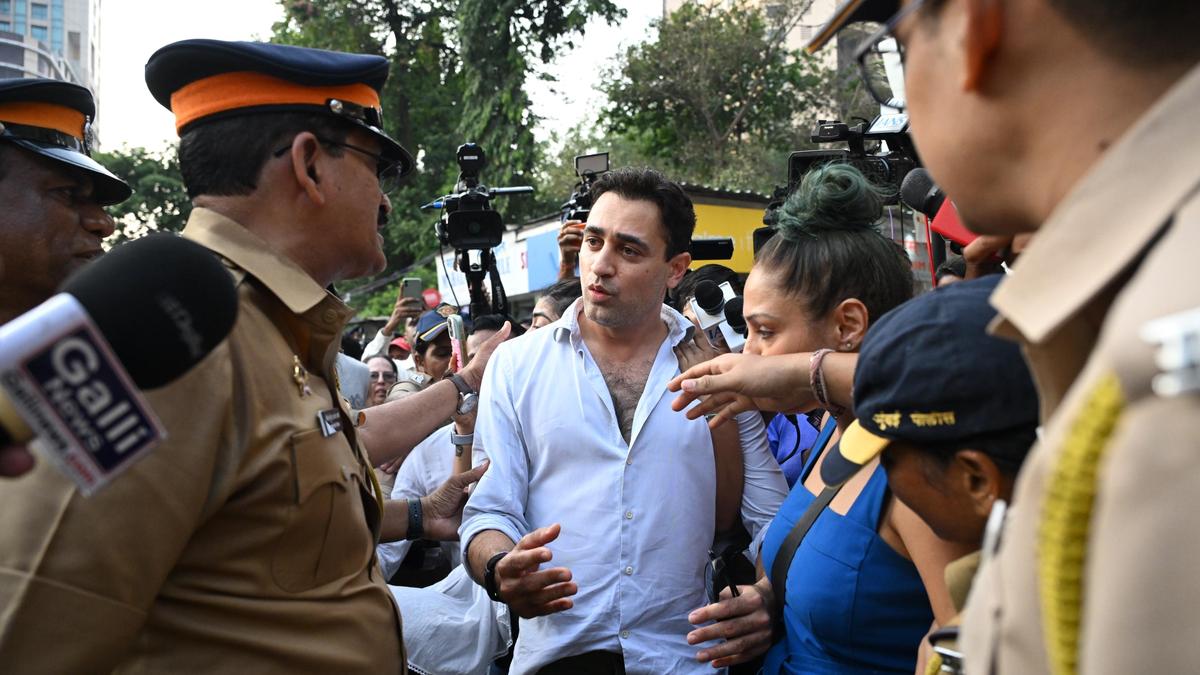
Bollywood Actor Imran Khan Apologises in Bombay High Court Case