NATO to Announce Major Defence Contracts at Ankara Summit


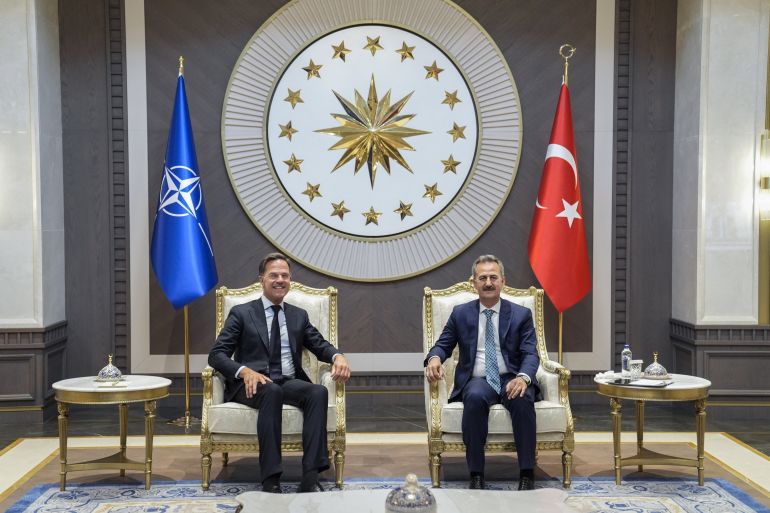
NATO is poised to disclose a series of substantial military projects valued in the billions at its two-day summit taking place in Ankara, Turkey. This announcement aims to demonstrate to US President Donald Trump that member nations are increasing defence budgets to enhance military readiness. Leaders from the alliance are expected to reveal various deals with defence contractors, many of whom are based in the United States. The move comes amid ongoing criticism from Trump, who has previously characterised NATO as dependent on US support, labelling it a 'paper tiger' during discussions about military expenditure.
As the summit begins, NATO Secretary-General Mark Rutte has indicated the gathering will showcase fresh defence commitments. "We will announce tens of billions in new contracts that will provide the crucial kit we need to deter and defend," Rutte stated prior to the event. In recent weeks, he had made efforts to alleviate US concerns regarding military spending through a report titled 'The Trump Trillion,' highlighting $1.2 trillion in expenditures by European allies and Canada since 2017.
Among the significant contracts expected to be publicly announced is a deal focused on modernising NATO's aging fleet of surveillance aircraft. While NATO itself does not possess weaponry, the organisation operates a fleet of Airborne Warning and Control System (AWACS) aircraft that are nearly 50 years old. In addition to this, there will be discussions surrounding modern drones and other defence projects to be financed via a European Union scheme centred on low-interest defence loans, potentially drawing upon up to $170 billion from capital markets.
Rutte emphasised the necessity of translating economic power into military capabilities, asserting that available funds must effectively support various defence initiatives, ranging from missiles to advanced drones. The summit is being conducted at Turkish President Recep Tayyip Erdogan's official palace complex, where discussions are likely to address tensions related to potential US fighter jet sales to Turkey. This has drawn caution from Israeli Prime Minister Benjamin Netanyahu, who, in an interview, urged against the sale of F-35 jets to Turkey, citing Erdogan's past statements about Israel.
Furthermore, the summit has attracted significant international attention, with leaders from 32 NATO member states convening, as well as non-member leaders such as Ukrainian President Volodymyr Zelenskyy and South Korean President Lee Jae-myung. Countries including Australia, Japan, and New Zealand are also participating through their defence or foreign ministers. Although Syrian President Ahmed al-Sharaa is not in attendance, he is scheduled for bilateral meetings, including one with Trump during the summit.
Trump's criticisms of NATO's value have persisted throughout his presidency, resulting in increased pressure on member states to enhance their financial contributions. Only five nations had met the NATO guideline of spending 2% of their gross domestic product (GDP) on defence at the start of his tenure. This year, NATO members reaffirmed their commitment to a target of 5% of GDP by 2035, comprising 3.5% for military and 1.5% for security-related measures.
Analysts suggest that the focus of the summit will be on translating financial pledges into concrete military capabilities. Ozgur Unluhisarcikli, regional director for Turkey at the German Marshall Fund, noted that NATO intends to make real progress in its military capabilities this year, while Paolo von Schirach, president of the Global Policy Institute, cautioned that the realisation of these capabilities will take considerable time.
As tensions persist, particularly in relation to the ongoing Russian aggressions in Ukraine, the need for a united front among NATO members remains paramount. The alliance is under scrutiny as it navigates financial commitments while striving to address security threats within Europe and beyond. The discussions in Ankara will not only steer NATO's future direction but also reflect the broader geopolitical landscape as the United States reassesses its strategic priorities, increasingly turning focus towards the Indo-Pacific region.
Kerala Initiates Probe into 2006 Suicide Case Involving CEC
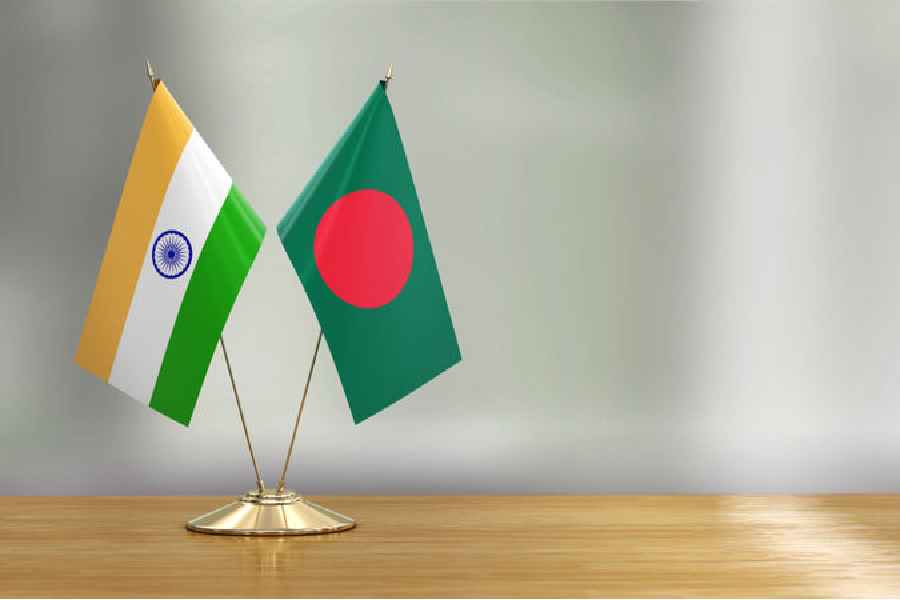
Extradition of Sheikh Hasina Feasible, Says Indian High Commissioner

Punjabi Makeup Artist Mad Sandhu Shot Dead in Amritsar

India Achieves Fourth Place at Asian Games 2026 Through Late Success