Nationwide Protests Erupt in Italy Over Education and Wages


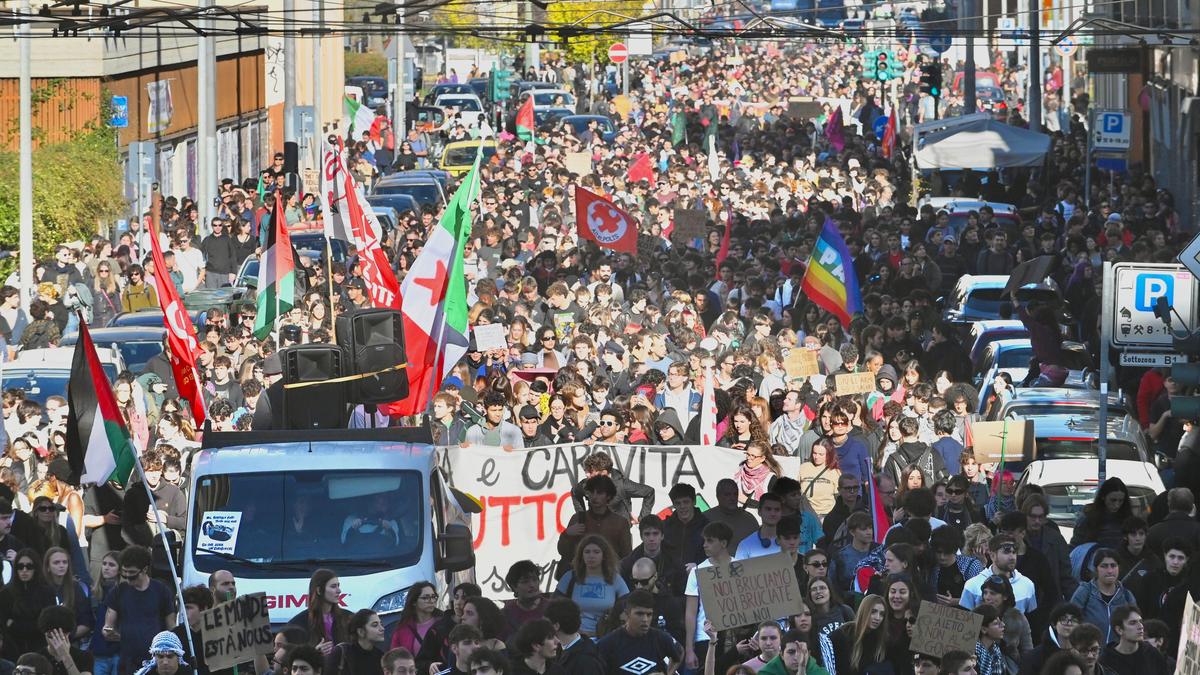
On Friday, thousands of students and workers took to the streets throughout Italy to protest against insufficient investment in education, rising living costs, and government economic policies led by Prime Minister Giorgia Meloni. The protests coincided with a general strike called by the Italian General Confederation of Labour (CGIL), the nation’s largest trade union, which is advocating for higher wages and increased public spending.
In Rome, tensions escalated when some protesters threw firecrackers and glass bottles at the Ministry of Education. A contingent of demonstrators marched to the ministry located on Viale Trastevere, where they directed grievances at Education Minister Giuseppe Valditara, according to reports from the Italian news agency ANSA. Demonstrators not only hurled items but also chanted slogans aimed at the minister while highlighting severe issues around educational infrastructure and government budget priorities.
The protests unfolded in over 100 locations across Italy, with significant gatherings in major cities such as Milan, Naples, Genoa, Bologna, Bari, and Turin. Students participated in many of these protests, expanding their mobilisations as part of a Europe-wide movement calling for better education funding and more attention to pressing public service needs.
The 24-hour general strike led by CGIL impacted various sectors, including education and healthcare, while public transport faced interruptions. However, essential services were guaranteed to remain functional to some extent. Although air and rail transport were not included in the strike, separate disruptions were anticipated in these areas as well.
The demonstrations articulated concerns over stagnant wages and diminishing purchasing power, alongside demands for enhanced educational funding. Many participants expressed frustration over government spending priorities, arguing that more financial resources should go towards public services rather than increased military expenditures. CGIL Secretary-General Maurizio Landini commented on the day's significance, noting, "Today is also a very important day because young people are taking to the streets not just in Italy but across Europe. Across Europe and among ordinary people, the demand for change is growing."
These protests followed a large mobilisation event on October 30, when students joined workers in a united call for enhanced funding for education and measures to manage the rising costs of living and housing. The pushback against increased military spending has also emerged as a significant issue among student groups, who argue that governmental resources should primarily support education, healthcare, and welfare programs.
Laura Peritore, a 24-year-old university student, condemned the current government policies for jeopardising her future. "We are living under a government that, piece by piece, is cutting healthcare and education, taking away our present and trying to rob us of our future," she stated. The protests taking place in Italy reflect a broader wave of demonstrations across Europe, with similar actions scheduled in countries like Germany, France, Britain, Austria, and Belgium.
For workers, some of the key issues remain low wages, inflation, and the difficulty in maintaining living standards. CGIL has called for urgent wage increases and the renewal of employment contracts to help workers cope with rising prices. Additionally, the union is advocating for pension indexing to inflation and measures to stave off increases in the retirement age, claiming that the governmental budget does not adequately alleviate the financial pressures faced by average citizens or improve public services.
Landini noted, "People have very basic problems: they struggle to make ends meet and therefore need higher wages; they need a healthcare system that works; young people need schools that work. This budget does not address a single one of them."
Turnout for the protests has been significant, with CGIL estimating over one million participants. This figure represents the union's approximation, while the Italian Interior Ministry has yet to release its own tally. As parliament scrutinises the government's budget for 2027, worth approximately USD 30 billion, these demonstrations are compounded by criticisms regarding inadequate support for wage increases and public service improvements.
Industry Minister Adolfo Urso dismissed the strike as a "pre-emptive measure," claiming that it was called before the budget's full details were known. Urso stated, "Great respect for those who are demonstrating and for those who have tabled amendments in parliament, where the budget will then be improved."
The ongoing demonstrations highlight growing public discontent, particularly as Italy gears up for parliamentary elections set for 2027. As such, the economic grievances raised by protesters take on heightened political relevance. The strike has noticeably affected public and private sector operations, with noteworthy disruptions observed in schools and local public transport services. While some public transport services faced guaranteed service periods, newly proposed rail stoppages and further airport-related actions were anticipated in various regions across Italy.
As protests and strikes continue, the government's response will be scrutinised amid increasing pressure from both the populace and labour unions.
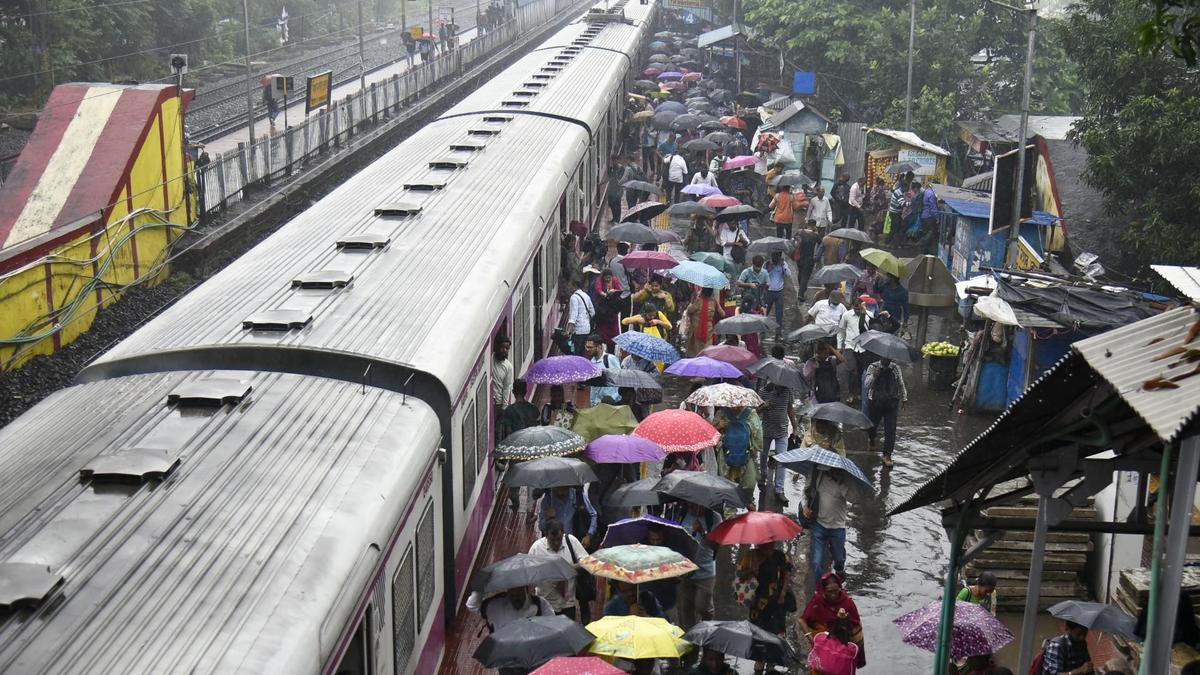
Severe Cyclone Akvan Affects Train Services in Odisha and Andhra Pradesh
Strong 6.8 Magnitude Earthquake Hits Central Peru
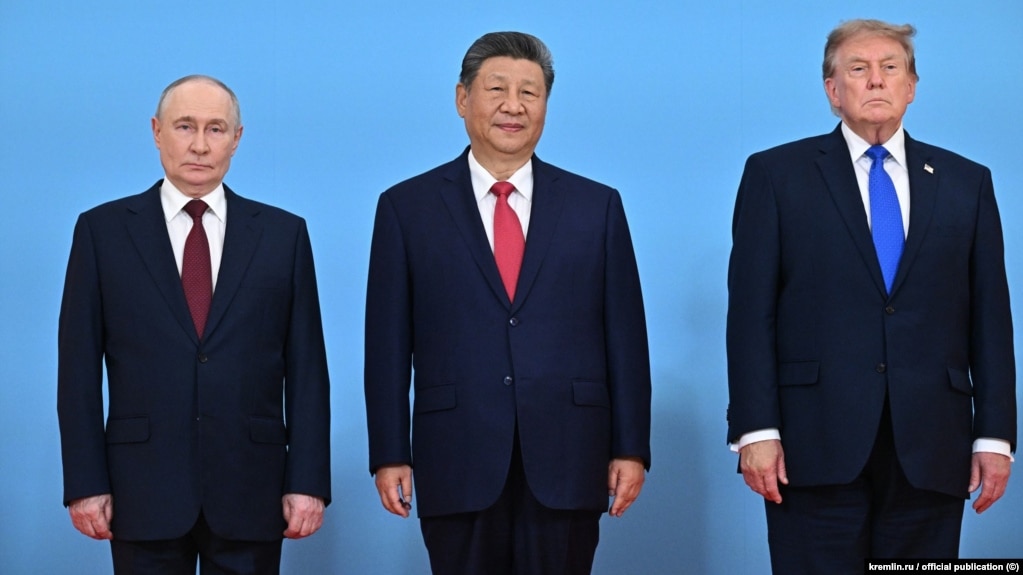
India Monitors Upcoming Trilateral Summit Involving World Leaders
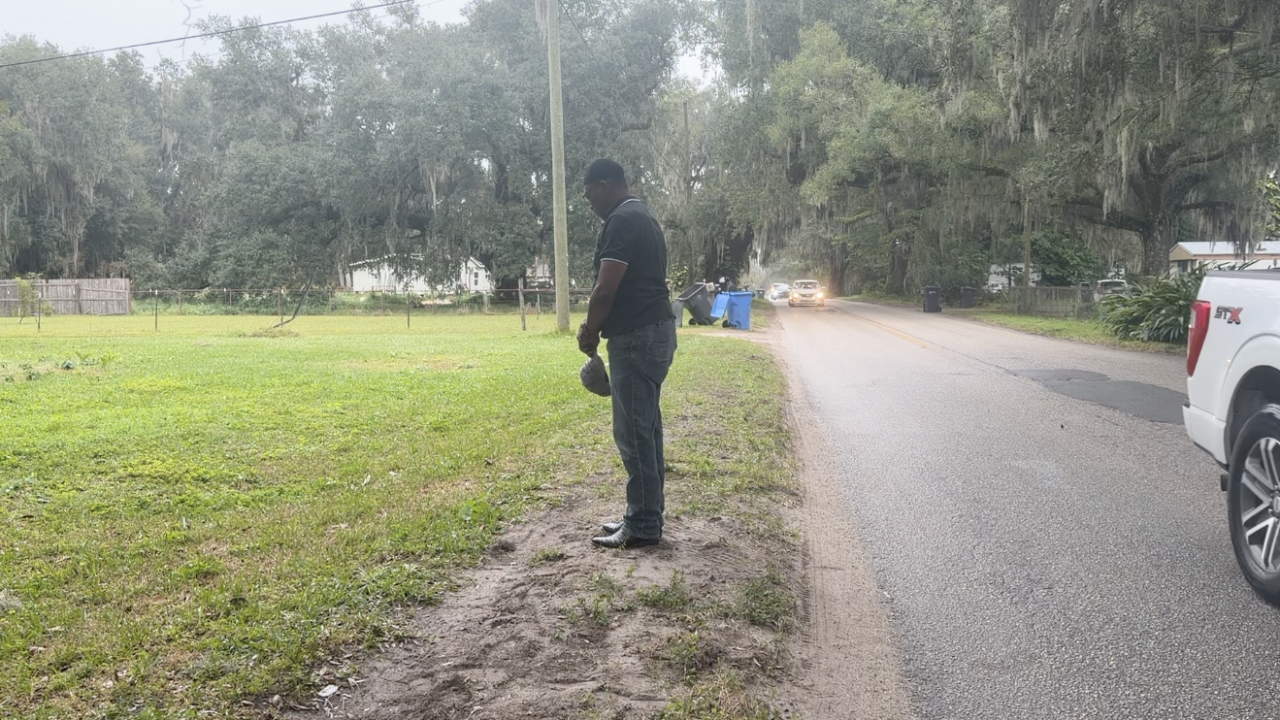
Tragic Shooting in Florida Family Leaves Community in Shock