Japan Responds to Alleged Russian Airspace Violations


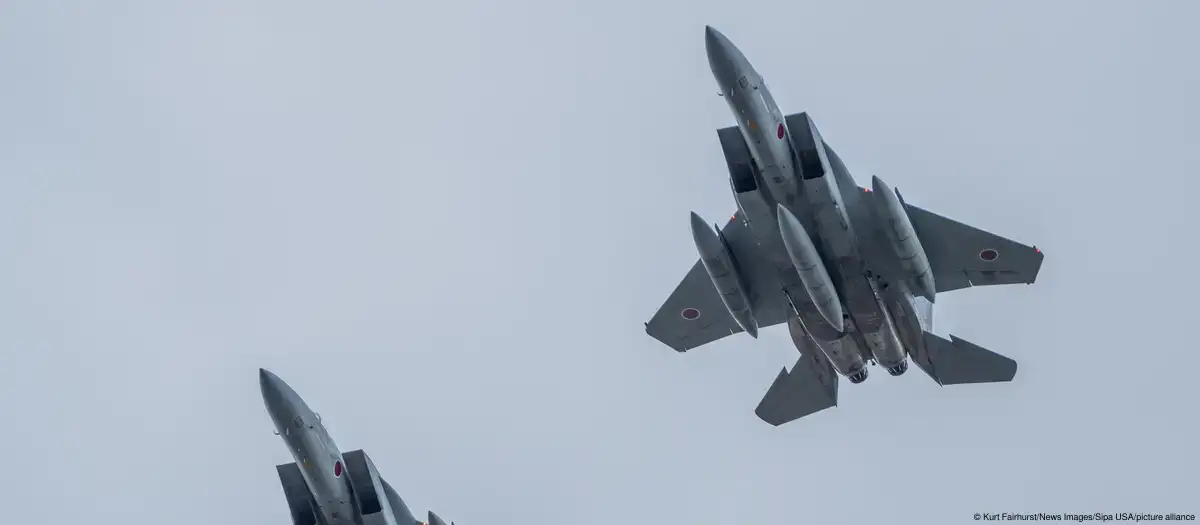
Japan's Defence Ministry has confirmed that it dispatched fighter jets following the incursion of two alleged Russian military aircraft into its airspace early on Tuesday. In response, both South Korea and Taiwan also reported deploying their own jets as Russian aircraft were detected in their respective air defence identification zones.
Air defence identification zones are designated areas that allow countries to monitor and identify approaching aircraft for security reasons, although foreign military aircraft are not legally mandated to provide notice before entering these zones.
The incursion marks a significant moment in the ongoing tensions between Japan and Russia, particularly as the incident occurred ahead of the Asia-Pacific Economic Cooperation (APEC) summit in China, where Russian President Vladimir Putin is scheduled to meet with US President Donald Trump.
Japanese Chief Cabinet Secretary Minoru Kihara described the violation as a "serious infringement of Japan's sovereignty" and declared the actions "completely unacceptable". He reiterated Japan's commitment to ensuring its airspace security. This incident is reminiscent of a similar occurrence in 2024 when a Russian military patrol plane entered Japanese airspace near Rebun Island, located off Hokkaido.
Taiwanese authorities announced that their military had reacted appropriately to the presence of the Russian aircraft in their air defence zone on the same day. South Korea's military reported that it had raised its alert level and scrambled jets after an unspecified number of Russian aircraft were detected over the Sea of Japan, although these did not enter South Korean airspace.
It remains unclear whether the three nations were responding to the same Russian aircraft or separate incidents. The East China Sea is a region marked by overlapping air defence identification zones claimed by China, Taiwan, Japan, and South Korea. Incursions by foreign military aircraft in this zone often exacerbate already heightened regional tensions.
This recent series of events coincides with increased pressure from Russia on Japan regarding a territorial dispute that has persisted for decades over a group of islands located in the Pacific Ocean, known as the Kuril Islands in Russia and the Northern Territories in Japan. In August, President Putin's landmark visit to one of these islands prompted a strong response from Japanese Prime Minister Sanae Takaichi. Additionally, in October, a Japanese journalist was detained by Russian authorities on allegations of espionage, adding further strain to the relationship between the two nations.
As the international community monitors the developments closely, the incidents underscore the complex geopolitical landscape in the region and the ongoing challenges related to airspace security and territorial disputes.
Quad Leaders Unveil New Initiatives on Maritime Security and AI
Indian Seafarer Missing, Two Injured After LPG Tanker Attack
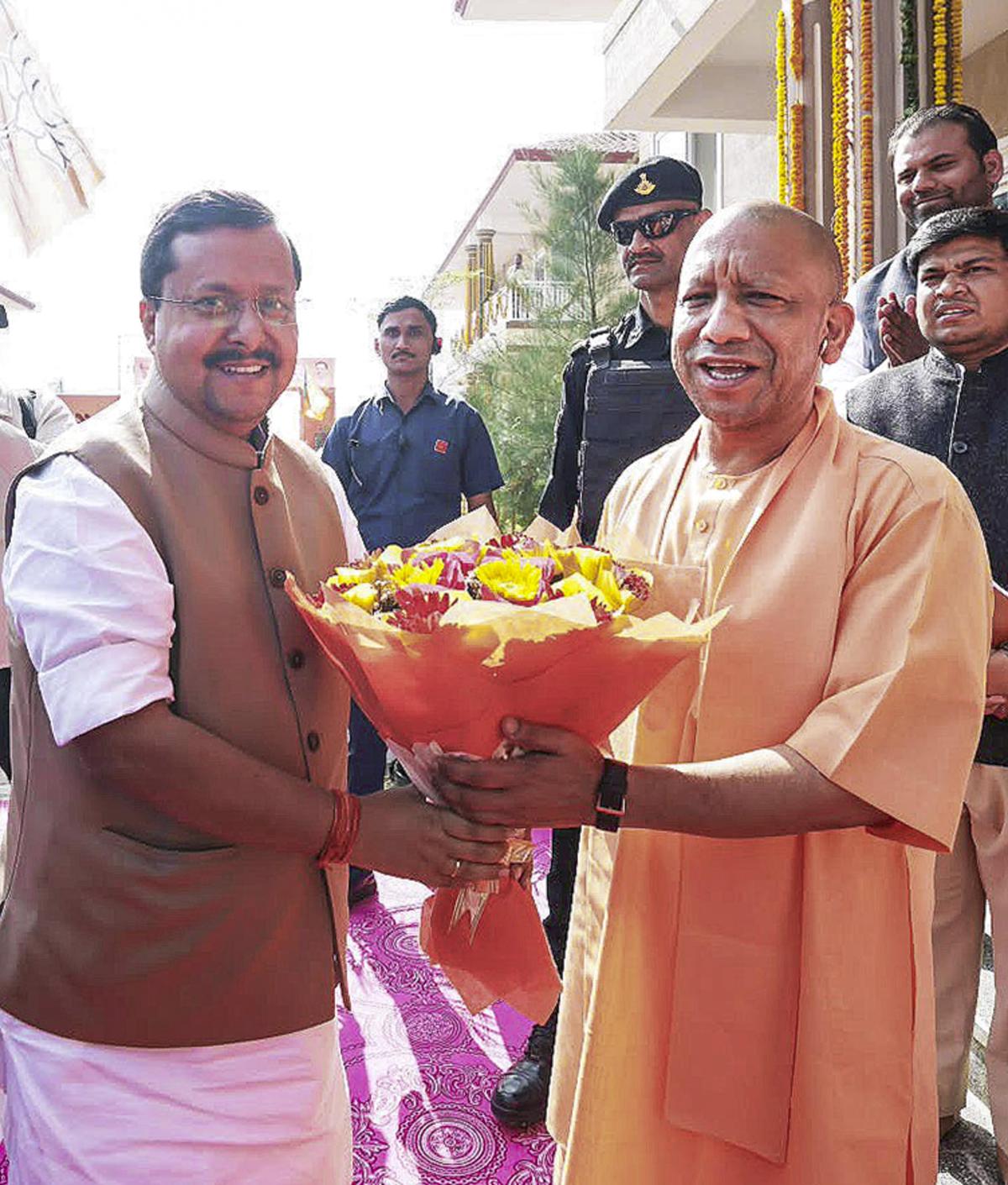
BJP Plans Major Outreach Campaign Ahead of UP Elections
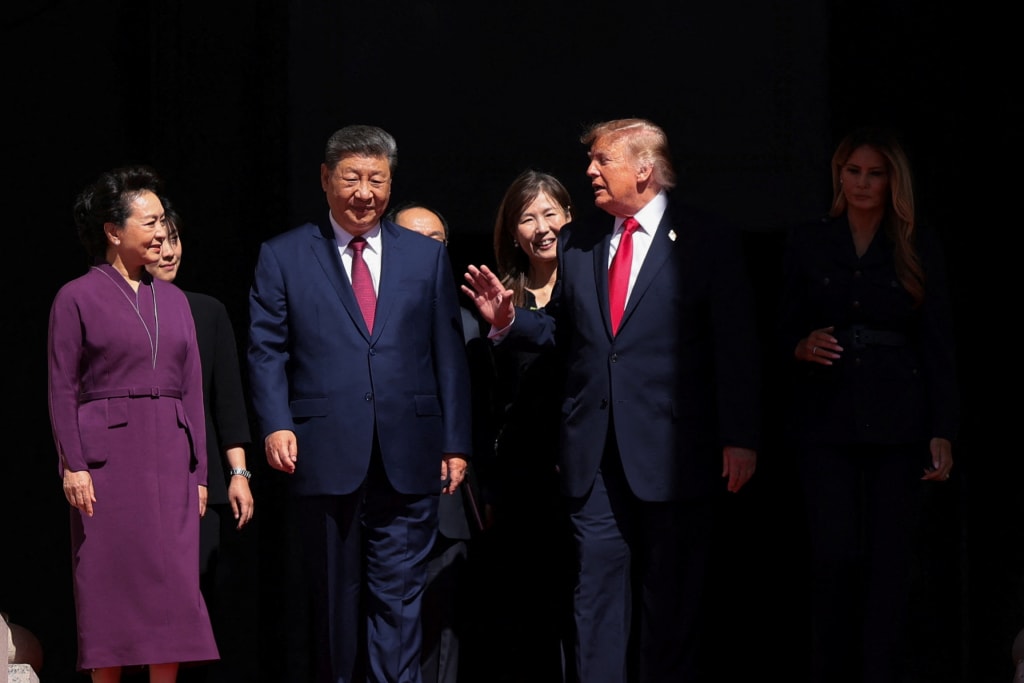
US President Trump Visits Manila Ahead of Key Asian Summits