Israeli President Confirms Election Results, Begins Government Talks


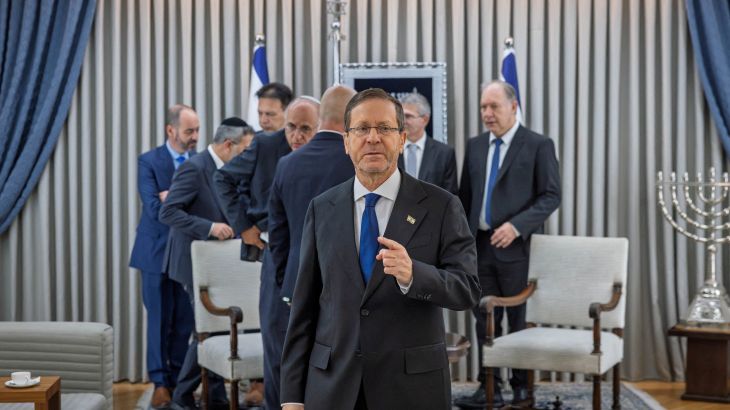
Israeli President Isaac Herzog has formally accepted the certified results from the parliamentary elections held on October 27, which he has declared legally binding. His decision marks a significant setback for Prime Minister Benjamin Netanyahu, who has made unproven allegations aimed at undermining the integrity of the votes. Netanyahu and his allies lost their parliamentary majority, while Arab-led parties achieved unprecedented electoral gains.
Herzog stated, "The elections are over. Now is the time to face reality," as he commenced discussions with party representatives regarding the next government. The elections commissioner in Israel had earlier confirmed that following an exhaustive review of fraud claims from various parties, there was no evidence of any irregularities that could have compromised the elections.
The political landscape reflects a divided outcome, with neither Netanyahu's coalition nor that of his principal opponent, Gadi Eisenkot, able to secure the requisite 61 seats for a clear majority in the Knesset. Netanyahu's bloc captured 53 seats compared to Eisenkot’s 48, leaving open the possibilities for diverse coalitions, including potential alliances with Arab-led parties.
Herzog commenced consultations with party leaders on Wednesday evening. Three factions aligned with Netanyahu's religious-nationalist base proposed that he be allowed another opportunity to form a government, while a fourth faction, led by a former ally of Netanyahu now turned rival, extended support to Eisenkot.
A total of eight additional parties, including the two Arab-led groups, are slated to convene with Herzog. The discussions will help determine which candidate the President believes is best positioned to assemble a coalition government. Once these consultations are completed, Herzog will nominate the candidate who he deems most capable, leading into a period of potential negotiations that may span several weeks.
If neither Netanyahu nor Eisenkot is able to form a coalition, Israel is likely to face renewed elections early next year. The Shin Bet intelligence service has initiated a separate investigation concerning allegations of foreign interference, although the agency has yet to substantiate its claims.
Amidst the ongoing events, Attorney General Gali Baharav-Miara denied a request from Shin Bet to interrogate several elected officials without compelling evidence. In expressing concerns surrounding the investigation, Herzog cautioned against tarnishing the integrity of Arab Israeli voters, reflecting a commitment to fair representation in the democratic process.
As Herzog underscored the importance of avoiding a new election, he called for creativity and compromise from both political camps, stating that “not every commitment and promise can be fulfilled”. His comments emphasised the need for collaboration in ensuring that the interests of the State of Israel are prioritized.
The unfolding political situation is being closely monitored, with rising tensions between Netanyahu and the Arab populations as allegations of electoral malfeasance continue to circulate without credible evidence. The coming days will prove critical as consultations proceed and a potential government framework takes shape.
Sharad Pawar Hospitalised in Mumbai for Medical Tests
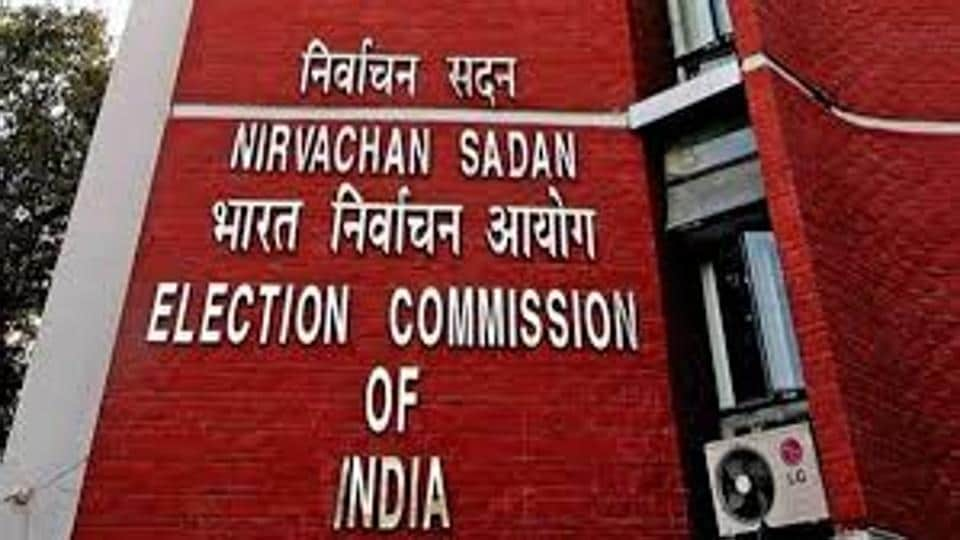
Election Commission of India Clarifies Voter Re-inclusion Process
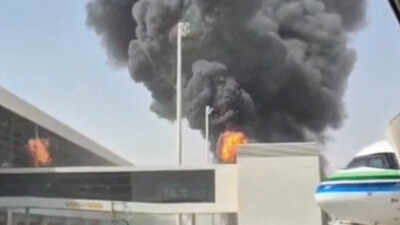
Houthi Attack on Riyadh Airport Claims 14 Lives, Including Two Indians

The Legend of Zelda: Ocarina of Time 2026 Review Released
