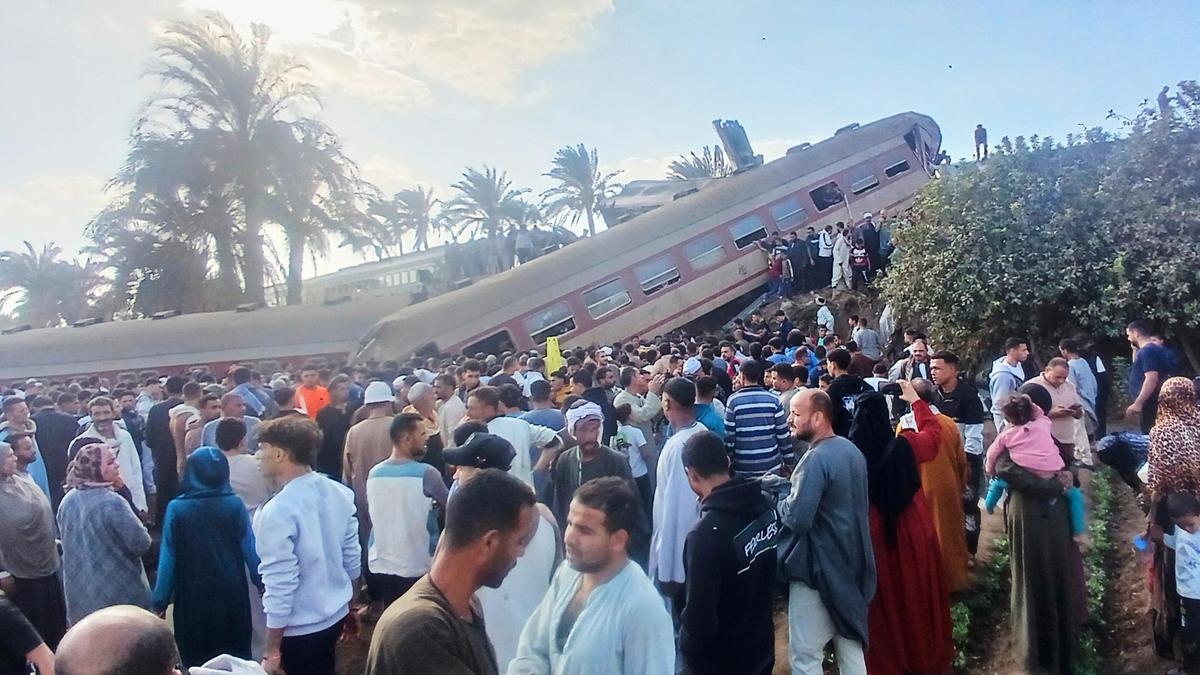
Iran Implements Land Blockade Amid Rising Tensions with US


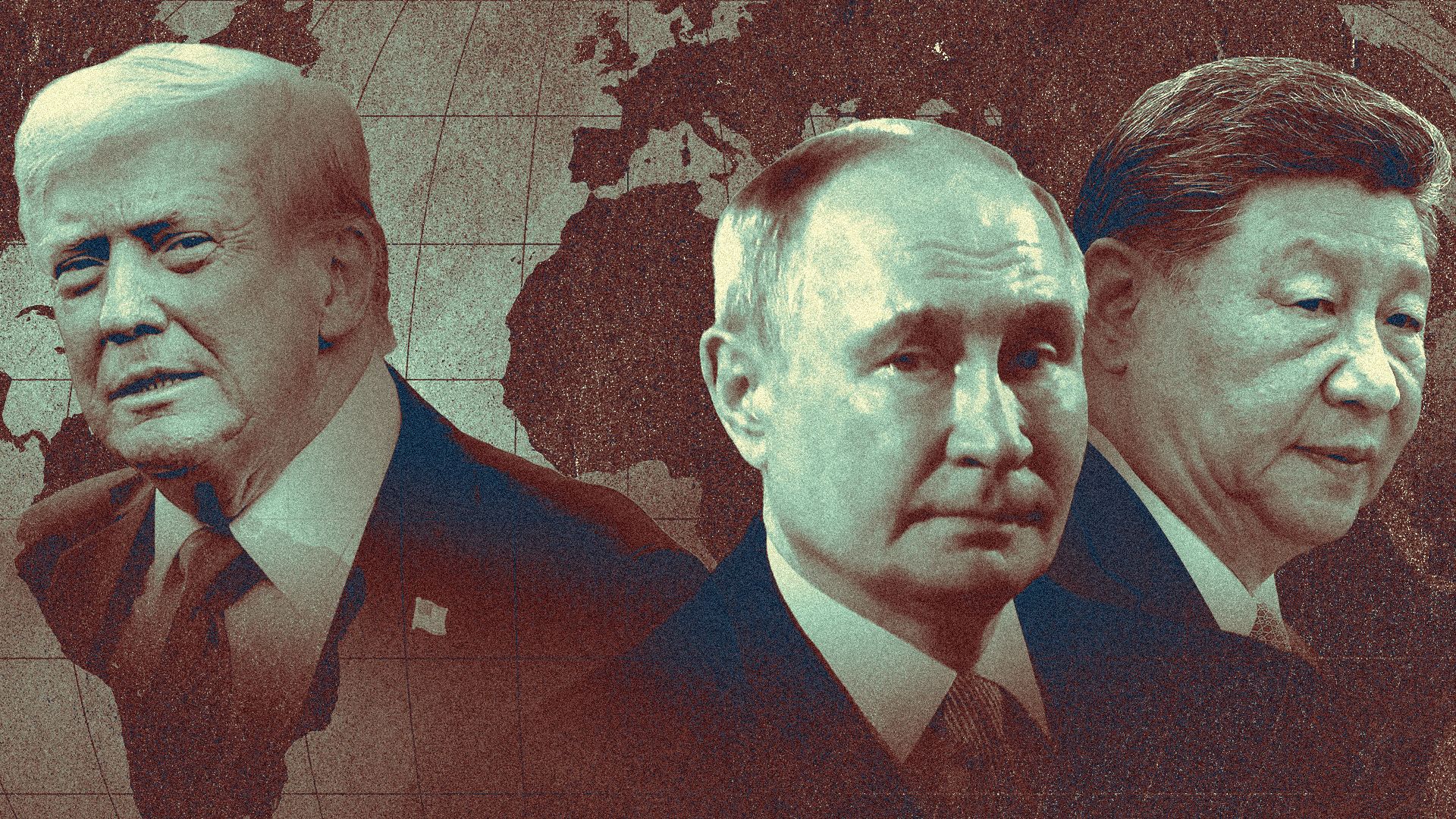
Iran has officially begun enforcing a land blockade as hostilities with the United States intensify. This declaration came as U.S. President Donald Trump announced that the blockade is now in effect.
The situation escalates further as Tehran has threatened retaliation against potential new attacks from the US, saying it would 'rain down hell' if those attacks resumed. As a result, the geopolitical landscape in the region remains tenuous.
In a related development, an explosion caused by a drone attack in Iraqi Kurdistan has halted production at a gas field, further complicating the region's energy dynamics. The drone strike highlights the ongoing security challenges that are affecting both Iranian and Iraqi operations.
Prominent political figures have weighed in on the evolving crisis. Former U.S. Secretary of State Mike Pompeo commented on the longstanding military assistance between the United States and Israel. He emphasised that despite possible cuts to military funding, the bilateral relationship remains solid and historically significant. Pompeo noted, 'Those institutional relationships are deep and unbreakable and really solid.'
On the Iranian front, a senior official from the Islamic Revolutionary Guard Corps (IRGC) made claims regarding the flow of oil through the Strait of Hormuz. The official maintained that all oil transport through this southern route has ceased following military actions against 'enemy vessels.' This blockade aimed to enhance Iran's control over the strategic waterway, which witnesses significant global oil traffic.
In light of these developments, Iran's Foreign Minister has urged the United States to accept a proposal for reopening the Strait of Hormuz, elaborating that a well-defined plan involving Qatari mediation has been put forth. The proposal includes steps for dialogue and de-escalation, ostensibly aimed at restoring navigation in the historically vital waterway.
Moreover, humanitarian concerns in the region have been exacerbated by the collapse of a sand embankment in Gaza, impacting displaced families and adding to the already dire humanitarian crisis. Reports suggest that at least five people lost their lives due to the incident, raising urgent needs for assistance and emergency responses.
As the situation continues to develop, global powers are closely monitoring the unfolding events in the Middle East and their implications for regional stability and international relations.

Delhi's Air Quality Deteriorates to Severe Levels on Diwali
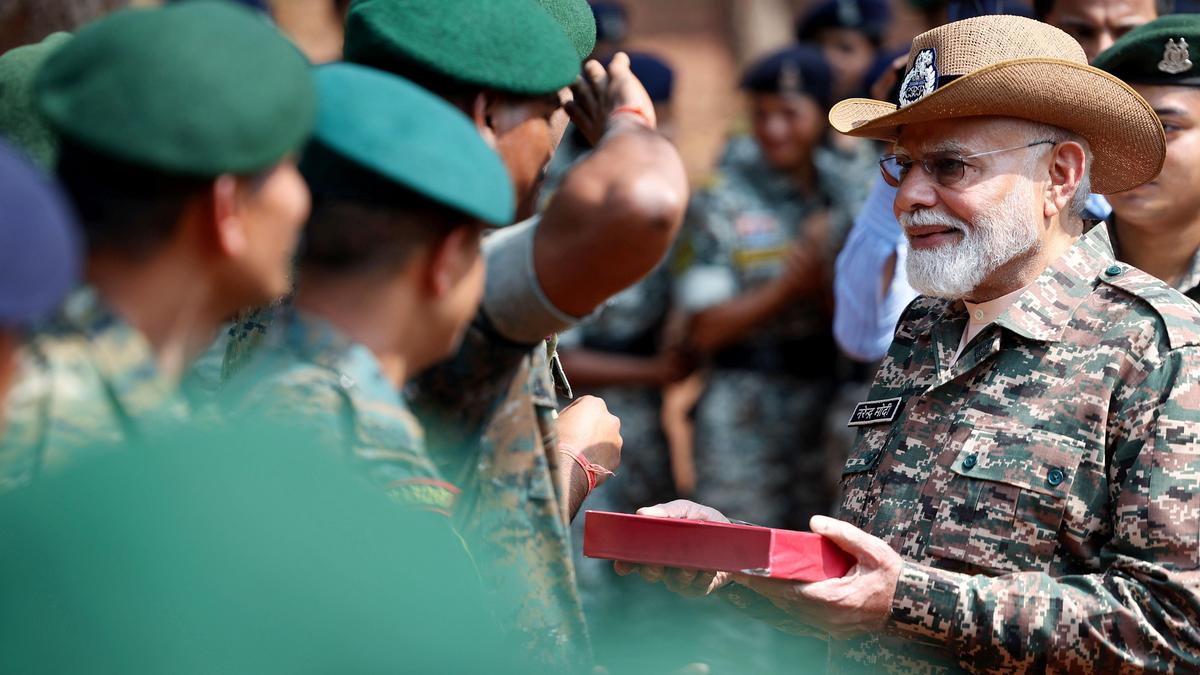
PM Modi Addresses Nature of Ongoing Threats in India
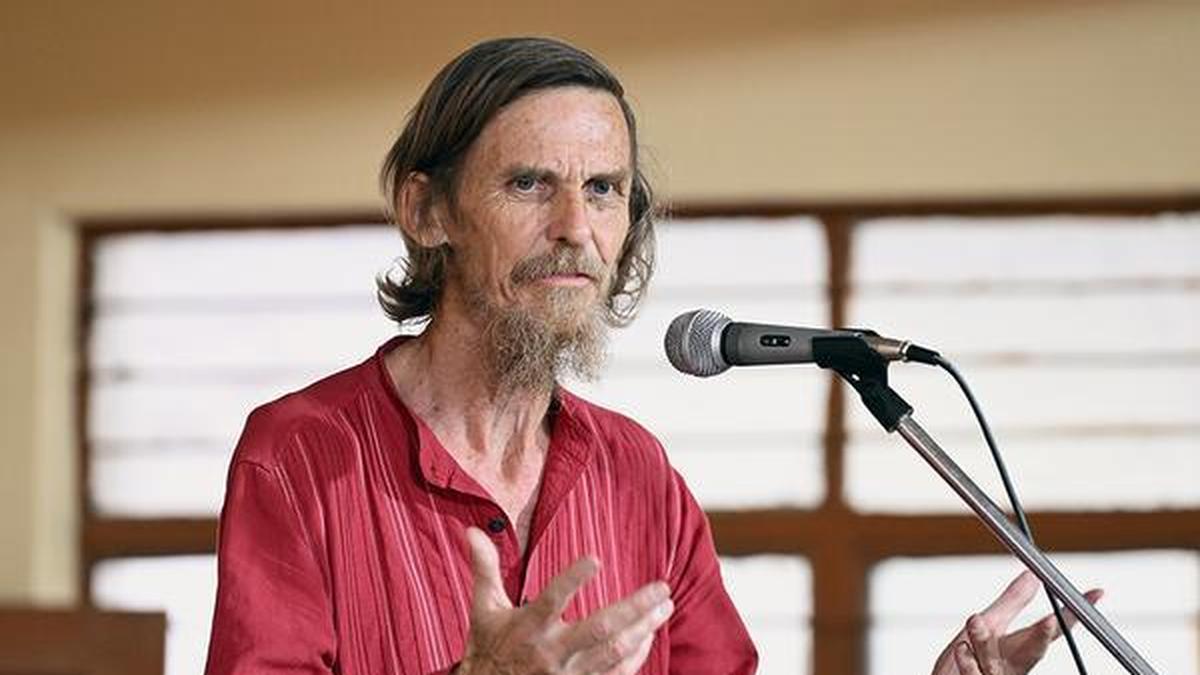
Tamil Nadu Minister Alleges Artificial Intelligence Corruption in Libraries
Ten Years After Demonetisation, Cash Remains Central to India’s Economy