Indian Stock Markets Decline Amid Foreign Fund Withdrawals


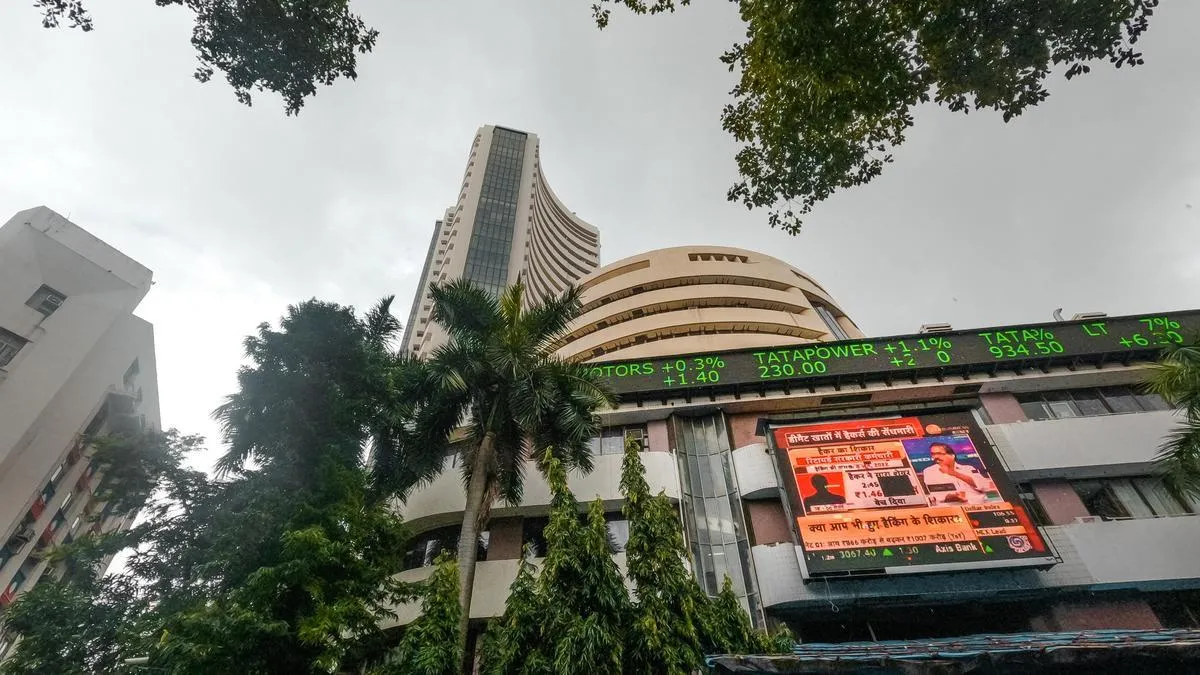
The Indian stock market faced a significant downturn on Tuesday, with key indices experiencing notable losses after a brief period of early gains. The benchmark BSE Sensex fell over 900 points from its peak during the day, while the Nifty 50 index also suffered a decline of more than 1%. This shift in market sentiment has erased substantial market value, estimated at approximately ₹3 lakh crore.
Market analysts attribute the decline to several interlinked factors. Investor caution emerged as a primary response to profit-taking in major companies, particularly those that have shown strong performance in recent months. As the morning session progressed, selling pressure intensified, leading to a sharp reversal of earlier gains.
Another significant contributory factor has been the rise in crude oil prices, which has added additional strain on investor sentiment. Higher crude prices often lead to concerns about inflation and can impact the economic outlook for nations dependent on oil imports.
Foreign fund outflows, a trend observed recently, have added to the downward momentum in the stock market. Investors are grappling with the implications of global economic uncertainties, prompting a shift from riskier assets to safer investments.
The Indian rupee has also weakened against the US dollar, contributing to additional anxiety among investors. A falling rupee can affect the profitability of companies reliant on imports, further aggravating market conditions.
Technical indicators reflect a fragile market environment, intensifying caution among traders. As per reports from The Economic Times, market volatility has been persistent, making it challenging for investors to identify opportunities amid the fluctuations.
In summary, the confluence of profit-taking, rising crude prices, foreign investments withdrawing, and currency fluctuations has created a challenging atmosphere for Indian equities, leading to the significant sell-off witnessed recently. Investors remain watchful as market conditions evolve in the coming days, hoping for signs of stability amid the ongoing turbulence.
"The trend is reflective of underlying economic concerns that investors have, and many are opting for a more cautious approach to their portfolios," noted an analyst from a leading financial services firm.

Kerala Initiates Probe into 2006 Suicide Case Involving CEC

Extradition of Sheikh Hasina Feasible, Says Indian High Commissioner

Punjabi Makeup Artist Mad Sandhu Shot Dead in Amritsar

India Achieves Fourth Place at Asian Games 2026 Through Late Success