Indian Stock Market Declines Amid Global Tensions and Outflows


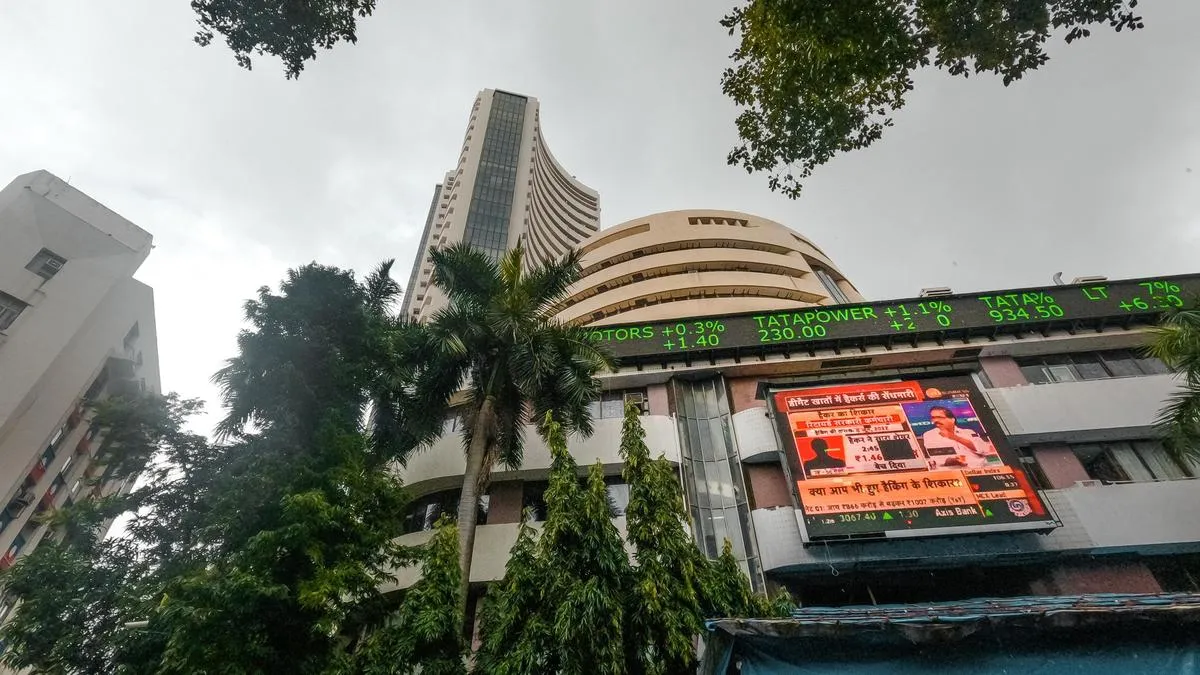
Indian stock markets experienced substantial losses on January 20, 2026, as the Nifty50 index fell beneath the 25,250 mark, with the BSE Sensex plunging by over 1,000 points. This decline has raised concerns among investors and analysts alike regarding the stability of markets in light of recent global developments.
The drop in the Nifty50 and Sensex is attributed to a combination of factors, primarily relentless outflows of foreign funds and escalating geopolitical tensions. Analysts from various financial institutions have noted that foreign institutional investors have withdrawn significant amounts from Indian equities, indicating a lack of confidence in the current economic climate.
Foreign fund outflows have been driven by concerns over potential changes in global trade policies and rising inflation rates in developed economies. These factors have impacted investor sentiment, leading to a broader sell-off in major markets, including those in India.
Recent geopolitical tensions, particularly in regions such as Eastern Europe and parts of Asia, have further exacerbated uncertainties within global financial markets. "Investors are reacting cautiously to these geopolitical risks," said Neha Gupta, a senior market analyst at a leading brokerage firm. "When combined with the outflows witnessed from foreign investors, it has created a perfect storm leading to today's market downturn."
In addition to geopolitical factors, analysts also point to domestic economic indicators that have suggested a slowing growth rate in key sectors. Manufacturing data released last week indicated a slowdown, causing additional worries about the Indian economy's resilience amidst external challenges.
Market participants will be closely monitoring future developments, including possible interventions by the Reserve Bank of India and government fiscal measures designed to stabilise the market environment. Historical trends suggest that swift action may help restore investor confidence, especially if geopolitical tensions begin to ease.
The sharp downward trends witnessed today serve as a reminder of the global interconnectedness of financial markets and highlight the importance of geopolitical stability for sustained economic growth. As investors await further clarity, analysts encourage caution and strategy adjustments to navigate these turbulent waters.
Kerala Initiates Probe into 2006 Suicide Case Involving CEC

Extradition of Sheikh Hasina Feasible, Says Indian High Commissioner

Punjabi Makeup Artist Mad Sandhu Shot Dead in Amritsar

India Achieves Fourth Place at Asian Games 2026 Through Late Success