India Unveils Draft Steel Policy Aiming for 604 MT Production by 2047


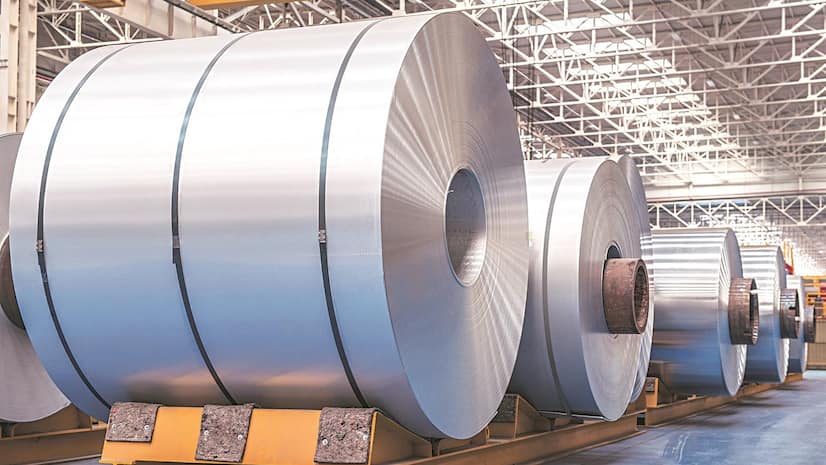
The Indian government has released a draft of the National Steel Policy Vision 2047, aiming to nearly triple the country’s steel production capacity to 604 million tonnes by 2047. This significant increase from the current capacity of around 220 million tonnes is part of a broader strategy to build a competitive and sustainable steel sector, aligning with the vision of a developed India by 2047.
The draft policy sets ambitious targets for steel production, per capita consumption, and exports. Specifically, it aims for a per capita steel consumption of 302 kilograms and 45 million tonnes of steel exports. The document highlights the necessity of enhancing raw-material security, particularly concerning iron ore and coking coal, to govern the sector’s growth effectively.
Currently, India’s steel industry relies on imports for a substantial portion of its raw materials. The proposed policy seeks to reduce this dependence while increasing the share of high-end steel in the nation's production. This strategic shift is crucial as the long-term demand for steel is expected to rise, driven primarily by the manufacturing and infrastructure sectors, which together account for approximately 67 per cent of steel consumption.
The draft highlights the anticipated demand for finished steel, projecting it to reach 505 million tonnes by 2047. It emphasises that urbanisation, renewable energy initiatives, digital infrastructure, and emerging technologies will play pivotal roles in this growth.
While the draft National Steel Policy Vision 2047 is currently open for feedback from stakeholders, the impactful implementation of its proposals will hinge on subsequent investments, capacity expansions, and actual demand growth in the steel market. As stakeholders digest these developments, steel stocks, including major players like Tata Steel, JSW Steel, Steel Authority of India Limited (SAIL), and NMDC, are expected to come under scrutiny in the markets following the announcement of this policy.
Additionally, the earlier National Steel Policy issued in 2017 set a target of 300 million tonnes of steel capacity by 2030, aiming for 160 kilograms per capita consumption and ensuring consistent availability of raw materials. The new draft lays out a considerably more ambitious framework, incorporating environmental sustainability measures and aiming to cut the sector’s carbon emissions significantly by 2047.
The proposed policy aims to lower the average carbon emission intensity to approximately 1.54 tonnes of carbon dioxide per tonne of crude steel, reduced from the existing 2.54 tonnes. This goal aligns with India’s commitment to achieving net-zero emissions by 2070.
Industry analysts will be watching closely to see how these draft proposals will translate into actionable strategies and whether they can successfully drive the country's metallurgical landscape towards a greener and more robust future.
Indian Rupee Strengthens Against US Dollar Amid RBI Measures

Foreign Portfolio Investors Withdraw Rs 44,166 Crore from India

OnePlus 16 Specifications Unveiled Ahead of October Launch
Factors Behind Rising Rice Prices in India: An Analysis