India's Under-19 Asia Cup Victory Over Pakistan Overshadowed by Aggression


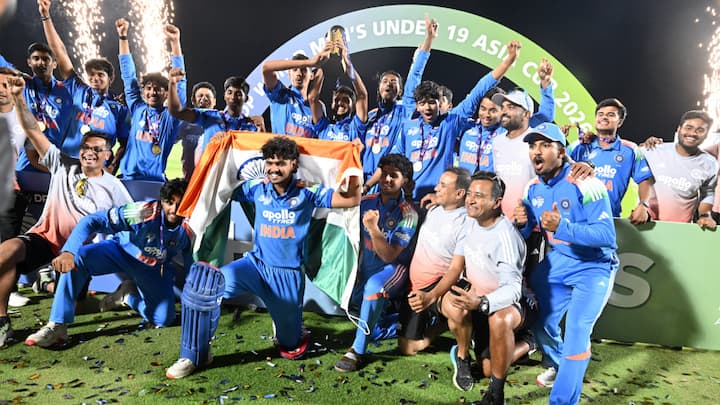
India secured a thrilling one-wicket victory over Pakistan in the final of the Under-19 Asia Cup held in Oman, but the match concluded with unsporting behaviour from the winning team. The match, played at the Oman Academy Cricket Ground in Al Amerat near Muscat on Saturday, saw India chase down a challenging target of 338 runs. After struggling at 252 for 8 in the 42nd overs, the team made a stunning recovery led by Manal Chauhan and Mohit Ulva, who added 57 runs for the ninth wicket, ultimately sealing the win with a boundary off the last ball. This victory marked India’s ninth title in the Under-19 Asia Cup and their first since 2021.
Despite the success on the field, the celebratory atmosphere quickly soured as Indian players exhibited aggressive behaviour directed towards their opponents. Instances of players gesturing angrily towards Pakistan's wicketkeeper, Hamza Zahoor, were noted, with some Indian players kicking towards the Pakistan dressing room. Indian team management struggled to control the situation as the conduct was widely condemned by cricketing figures and fans alike on social media.
Former Pakistan captain Mohammad Yousuf highlighted the importance of sportsmanship, stating, “You are not just representing your country. In fact, you are representing your upbringing, the values and the ethics your parents taught you as a child.” He stressed that respect and composure are vital regardless of the match outcome.
Many Indian cricket fans acknowledged the team's skill but expressed disappointment over their unsportsmanlike conduct. One supporter remarked that while India and Pakistan have a competitive rivalry, it does not justify disrespectful behaviour. They drew attention to the sports culture that should prioritise dignity over aggression.
Both teams opted to forgo the customary post-match handshake, a practice that reflects the intensifying political tensions between the nations. Previous encounters have also seen similar omissions, including during last year's Asia Cup, where the Indian team did not engage with Pakistani players. The absence of handshakes was repeated in subsequent tournaments, including the ICC Women's World Cup and the Women’s Asia Cup.
On the cricketing performance, India’s lower-order batter Chauhan contributed significantly with 47 runs off 32 balls. Ulva shone with an unbeaten 49 runs from 26 deliveries, earning him praise as the team's decisive player in the final moments of the match. He commented on his belief in guiding India to victory, noting, "I knew it was my day and that I would take my team over the line."
Pakistan set a formidable total of 337 for 9 after opting to bat first, with notable contributions from opener Usman Khan, who scored 107, Abdul Qadir with 80 runs, and captain Farhan Yousaf who added 63 runs. India, in their reply, benefited from steady innings from captain Lakshya Raichandani, who posted 80 runs, and Aaryavir Sehwag, son of renowned player Virender Sehwag, who contributed 58 runs and was later named player of the tournament. Aaryavir concluded the tournament as the leading run-scorer with a total of 361 runs across five matches. The final also featured wicketkeeper Anvay Dravid, the son of former captain Rahul Dravid, who scored 19 runs.
The legacy of such matches continues to provoke discussions on not just the sporting achievement but also the conduct of young athletes representing their nations on an international platform.
India's Strategic Engagement with ASEAN: A Key Partnership

Indian Supreme Court Suspends Life Sentences of Bilkis Bano Case Convicts

Clashes Erupt in Kulgam, South Kashmir Amid Ongoing Tensions
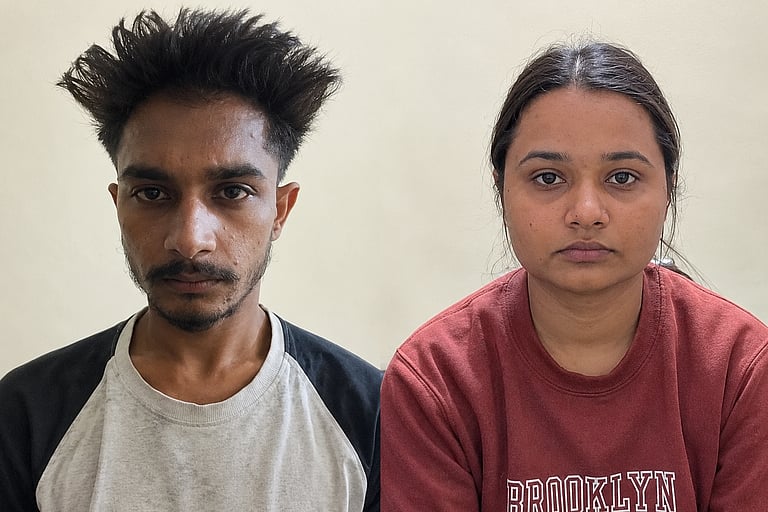
Two Arrested in Rajasthan Railway Track Explosion Investigation