India Proposes Three-Part Plan to Mitigate Ukraine Conflict


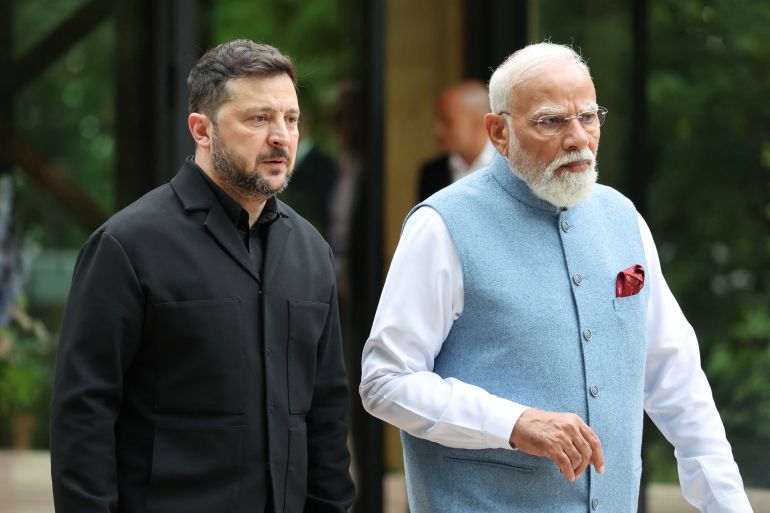
In a recent diplomatic initiative, India has put forth a three-part framework intended to alleviate the ongoing conflict between Russia and Ukraine. This proposal, which hinges on ensuring economic and maritime security, aims at establishing a more stable environment in the region.
The first element of the plan calls for an immediate cessation of attacks targeting energy facilities and critical infrastructure. This involves halting military operations that have disrupted essential services and resources in both countries. The second component promotes the uninterrupted shipment of grain and energy supplies through the strategic Black Sea ports. Ensuring the free flow of these commodities is imperative for the food and energy security of many nations, particularly those in Africa and South Asia which rely heavily on imports.
Lastly, the third facet of the proposal urges an end to strikes against merchant ships, civilian crews, and maritime trade routes. This is essential for restoring confidence among traders and ensuring safe passage in maritime logistics, which has been severely tested amidst the hostilities.
Indian Prime Minister Narendra Modi’s administration has expressed its readiness to assist in negotiations between the conflicting parties. Signs of India's proactive diplomatic approach have garnered attention, particularly in the context of evolving dynamics in international relations. Ukrainian President Volodymyr Zelenskyy confirmed that he had discussed India's mediation efforts in a call with Prime Minister Modi, highlighting the potential for establishing 'food corridors' to ensure essential supplies reach those in need.
The backdrop of this initiative coincides with recent discussions involving Russia and Ukraine, mediated by the United States in Abu Dhabi. Notably, these talks resume after a prolonged hiatus in negotiations, showcasing a renewed commitment from both sides to seek resolution amid an environment of uncertainty. During these negotiations, India's External Affairs Minister Subrahmanyam Jaishankar engaged in talks with Russian Foreign Minister Sergey Lavrov, marking a significant moment in bilateral communications between India and Russia.
India's interest in promoting stability stems from its vital economic considerations. The ongoing conflict has significantly affected global grain supplies, with both Russia and Ukraine being crucial players in the market. Notably, India has seen a decline in its imports of sunflower oil—a key edible oil sourced primarily from these two nations. The unrest in the Black Sea region has not only disrupted trade but also led to the tragic loss of Indian lives among maritime crews, emphasising the urgency for a peaceful resolution.
Experts have indicated that India's historical ties with both Moscow and Kyiv place it in an advantageous position to facilitate dialogue. India's strategic autonomy and balanced diplomacy are viewed as key assets that could lead to constructive negotiations. As geopolitical tensions escalate, India's attempts to broker peace may contribute to enhancing its global standing and credibility amidst international criticism over its previous stance on the conflict.
This three-part proposal from India underscores the need for collaborative efforts to address the immediate humanitarian crises and restore stability in the region. As the situation develops, further engagement and outreach are anticipated from different international stakeholders, including India, to bolster global food security and maritime safety.
Sonia Gandhi's Memoir Reflects Personal and Political Journeys

Bodyguard of Indian President Shot in Uttar Pradesh Incident
Fireworks Responsible for 80% of Delhi’s Pollution on Monday
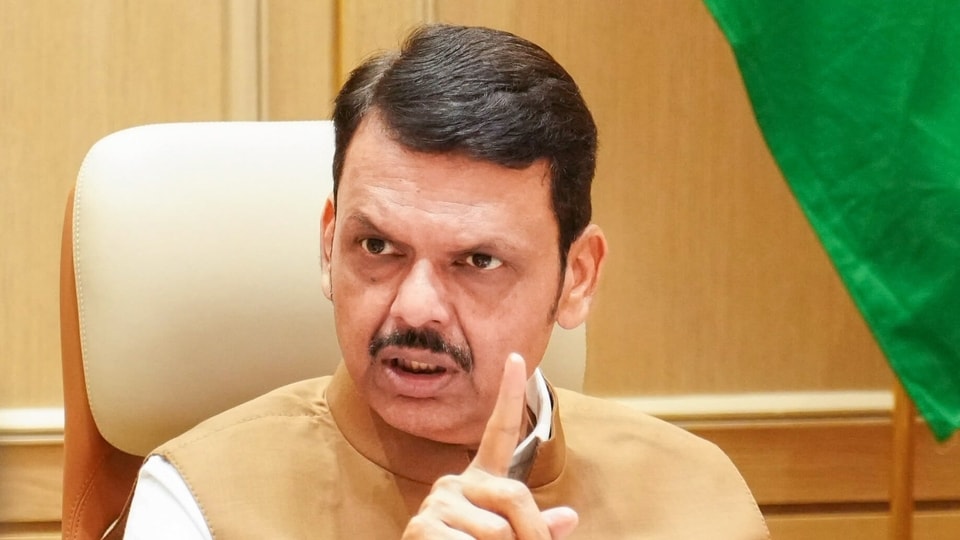
Maharashtra Chief Minister Defends Uniform Civil Code Amid Opposition Protests