India Licenses Half of 6 GHz Band for Enhanced Wi-Fi Access


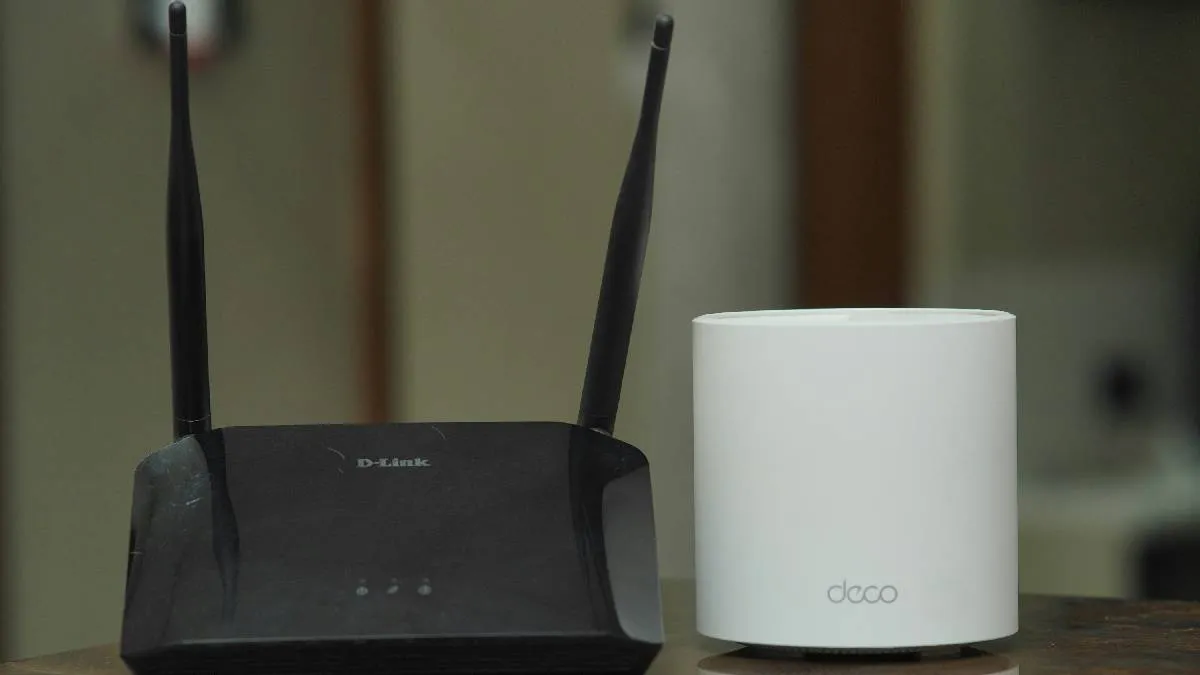
The Indian government has announced the de-licensing of 500 megahertz of the 6 GHz band for Wi-Fi access, a significant move aimed at enhancing internet connectivity across the country. This decision, made public on January 19, 2026, allows for more efficient use of the radio spectrum, which is essential for modern wireless communication. The initiative is part of a broader strategy to address growing demand for high-speed internet and support the deployment of new technologies.
The 6 GHz band, which encompasses frequencies from 5.925 to 7.125 gigahertz, is crucial for next-generation Wi-Fi technologies, including Wi-Fi 6 and the upcoming Wi-Fi 7. These advancements promise improved connectivity, increased data transfer speeds, and reduced latency, making them particularly beneficial for urban areas with high densities of users.
India's Minister of Telecommunications, Jyotiraditya Scindia, expressed confidence that opening this band would greatly enhance user experiences. 'This decision is poised to significantly uplift digital services and foster the growth of new applications,' he stated during a press briefing. He emphasized the government's commitment to expanding digital infrastructure and improving overall internet access.
The de-licensing process is expected to stimulate investment in the wireless technology sector, encouraging manufacturers to develop compatible devices that utilise this newly available spectrum. The move aligns with global trends, as other countries also recognise the importance of accessing the 6 GHz band for boosting their respective digital economies.
Experts predict that widespread use of the 6 GHz band could lead to innovations in various sectors, from smart homes to the internet of things (IoT) applications. By optimising wireless networks, users can expect better performance in applications such as 4K video streaming, online gaming, and teleconferencing.
As the rollout of these capabilities progresses, stakeholders from governmental, regulatory, and private sectors will be monitoring its implementation to ensure it meets the expected needs of consumers and businesses alike. The move is seen as a stepping stone toward India's goal of becoming a leading digital economy, with greater access to advanced technologies for all citizens.
The policy change reflects India's ongoing efforts to adapt its telecommunications framework to meet the demands of an increasingly digital world. With this enhancement in the Wi-Fi landscape, the government aims to bridge the digital divide and accelerate technological growth across the nation.

Kerala Initiates Probe into 2006 Suicide Case Involving CEC

Extradition of Sheikh Hasina Feasible, Says Indian High Commissioner

Punjabi Makeup Artist Mad Sandhu Shot Dead in Amritsar

India Achieves Fourth Place at Asian Games 2026 Through Late Success