India's Investigation into Scotch Imports Disrupts Liquor Market


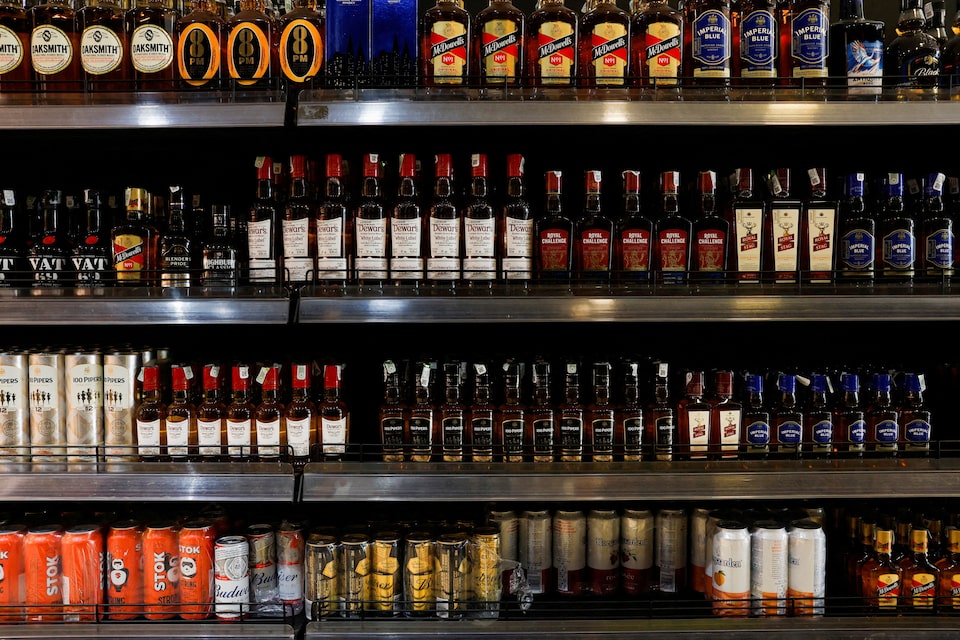
An investigation by the Indian government into bulk imports of Scotch whisky has raised concerns among major liquor companies and the broader market, following the execution of a trade agreement with the United Kingdom worth $65 billion. This inquiry marks the first significant dispute related to the India-UK free trade agreement since its adoption on 15 July.
Tariffs on whisky were contentious throughout the prolonged negotiations that led to this deal. While the agreement stipulated a reduction of import taxes on specific Scotch whisky products from 150% to 75% immediately, with a gradual cut to 40% over the next decade, the Indian government is now arguing that bulk Scotch imports do not qualify for this tariff benefit.
The British government had previously stated that iconic products, including whisky and gin, would see advantages due to these tariff changes, fuelling expectations of decreased prices for consumers. However, differing state taxes and levies in India complicate the fiscal landscape.
According to a report from Reuters, officials are asserting that the lower tariff applies only to bottled Scotch, while bulk shipments, often used to produce Indian whisky brands, do not share this privilege. A newer customs classification introduced in May is deemed applicable to these bulk imports, which subjects them to the old rate of 150%. Rajnish Singh, founder of Yaana Advisors, explained that “Compound alcoholic beverages are essentially flavoured or modified alcohols, whereas bulk Scotch Whisky is a distilled alcoholic beverage produced with malted barley and water.”
The Scotch Whisky Association in the UK indicated that India is currently its largest market by volume, projecting more than 220 million bottles to be exported by 2025. Notably, approximately 80% of Scotch whisky imports into India arrive in bulk, primarily for blending into local brands. This includes prominent names like Pernod, Diageo, and various Indian manufacturers that produce blends by combining Scotch with other spirits. For instance, Pernod’s Blenders Pride is a blend of Indian grain spirit and imported Scotch malts.
The UK government has expressed its commitment to collaborating with India to align on this dispute, aiming to ensure that British businesses benefit as intended under the terms of the trade agreement. Scotland’s finance minister, John Swinney, has also engaged with Indian authorities regarding bulk Scotch whisky exportation.
While India's commerce ministry has assured that the conflict will be resolved soon, a confidential memo from Indian investigators flagged potential revenue impacts stemming from misclassification under the trade pact. During the ongoing investigation, India has decided to release shipping containers, provided that companies agree to a new tariff and tax combination of 162.5%, which may be partially secured through bank guarantees.
Some companies, including Diageo and Pernod, have taken steps to secure the release of their containers, while Bacardi is still evaluating its next moves. The International Spirits & Wines Association of India, which represents major companies, expressed concerns that the misclassification could undermine vital market access provisions negotiated in the trade deal.
Additionally, the Confederation of Indian Alcoholic Beverage Companies has joined the protest, warning that excluding bulk Scotch from tariff reductions could incentivise finished whisky imports over domestic production, which opposes India’s push for local manufacturing. In recent communications, Allied Blenders acknowledged its role as a leading bulk Scotch importer, emphasising that the UK pact would enhance its access to luxury products.

Prince William and Princess Catherine Meet Modi to Enhance Ties

Cyclone Akvan Strengthens, Expected to Impact Andhra Pradesh and Odisha
PM Modi Leads Council of Ministers Meeting on Governance Issues
BJP Criticises Rahul Gandhi Over Remarks Made in the US