India Criticises Turkey Over UNGA Draft Exclusion Issues


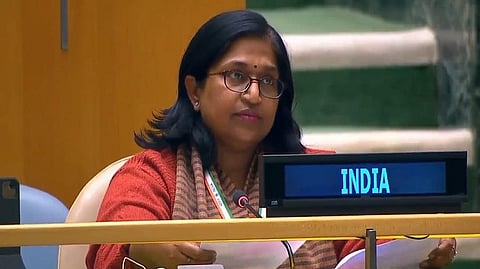
India has voiced strong objections to Turkey regarding what it describes as a "blatant and intentional" exclusion from the consultations on a draft resolution aimed at fostering cooperation between the United Nations (UN) and the Organisation of Islamic Cooperation (OIC). This event culminated in a vote against the draft resolution during the UN General Assembly session.
The resolution, titled 'Cooperation between the United Nations and the Organisation of Islamic Cooperation', was introduced by Iraq and passed with 112 nations supporting it, while six, including India, voted against it. A further 39 countries abstained from the vote. Turkey facilitated the negotiations surrounding the resolution.
India's Deputy Permanent Representative at the UN, Ambassador Yojna Patel, expressed discontent with the process, stating that India's delegation was excluded, along with several other countries, in the dissemination of successive drafts. Patel articulated concerns regarding the working methods of Turkey as the resolution's facilitator, emphasising the need for a transparent negotiation process.
In her explanation of India's vote against the resolution, Patel stated, "My delegation strongly objects to such working methods that try to hoodwink excluded delegations into believing that this was just a technical update, which it was not." She called for an inquiry into the consultation process, criticising Turkey’s lack of inclusivity.
Other nations, including Armenia, Cyprus, Greece, and the United States, also voted against the resolution, echoing similar sentiments as articulated by India. Cyprus specifically lamented its repeated exclusion from communication regarding the negotiation process, stressing that inclusion of all UN member states should not depend on the facilitator's discretion, but should adhere to principles enshrined in the UN Charter.
Concerns were also raised about the resolution's claims to provide solutions to ongoing conflicts, with India questioning the rationale for enhancing the OIC's role, given that it is not classified as a regional organisation under Chapter VIII of the UN Charter. Additionally, India rejected references made regarding the OIC Ministerial Conference on Women held in Islamabad this past July, which included statements related to Jammu and Kashmir. Patel stated, "The OIC has no locus standi to comment on India's internal affairs."
India expressed regret over the apparent misuse of the OIC platform by certain member states, referring implicitly to Pakistan. The Indian delegation reminded the assembly that it believes in sovereign nations safeguarding their citizens' interests, independent of their faith affiliations. Asserting that such regressive viewpoints are misplaced, Patel urged the OIC to engage in constructive dialogue and uphold principles of mutual respect.
In response to the contentious negotiations, Greece conveyed serious concerns regarding the lack of transparency under Turkey's facilitation, while the United States anticipated future versions of the resolution would focus on areas of consensus, eliminating excessive and contentious language.
Despite the resolution's adoption, India and other nations remain firm in their opposition, seeking accountability for the process and advocating for a transparent, inclusive environment in future discussions.
Kashmir Commander Lateef Bhat Engaged in Standoff in Kulgam
Modi Promotes E-Visas for ASEAN Tourists at Manila Summit
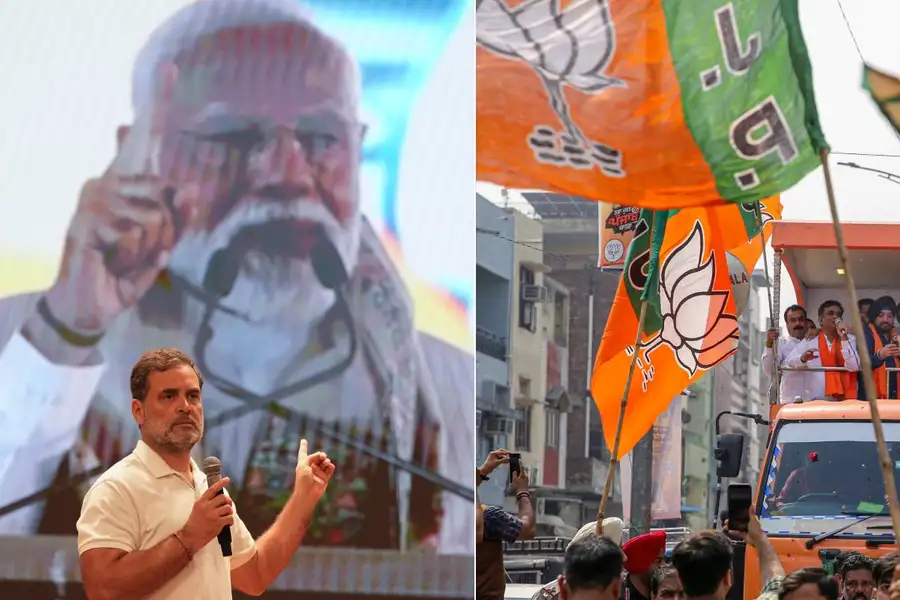
BJP Responds to Rahul Gandhi's 'Dead Economy' Comment with Growth Data

BSF Jawan Detained by Bangladesh Border Force: Repatriation Efforts Begin