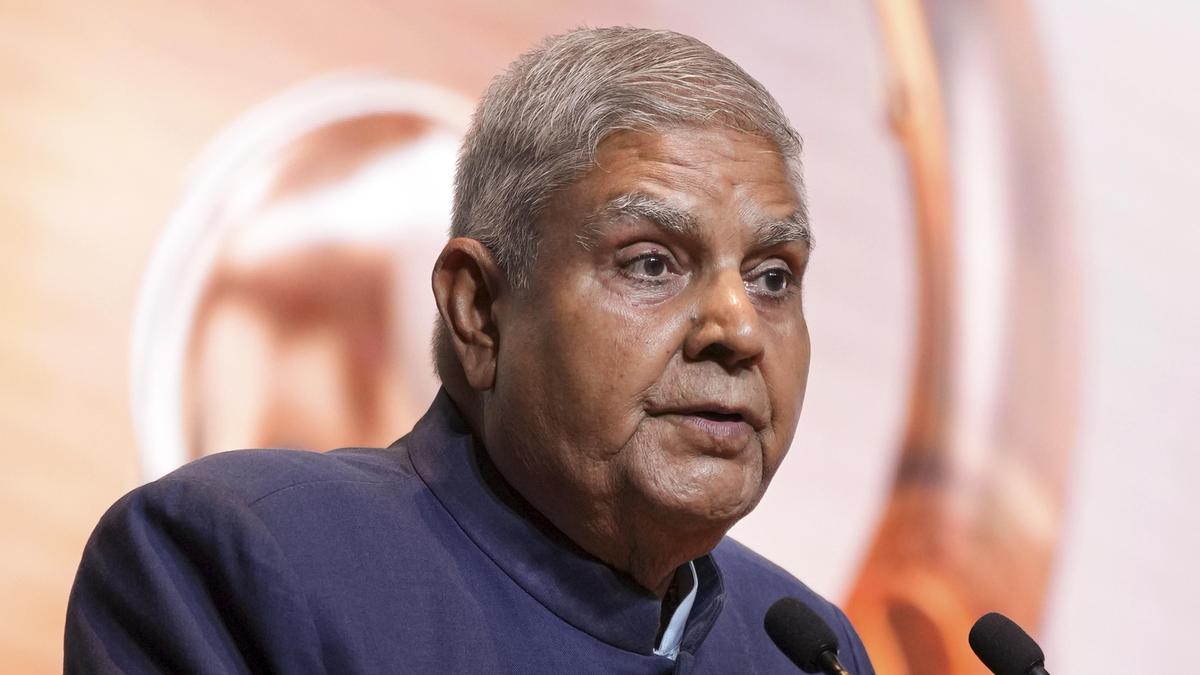
India's Cabinet Approves Major Increase in Fertiliser Subsidy


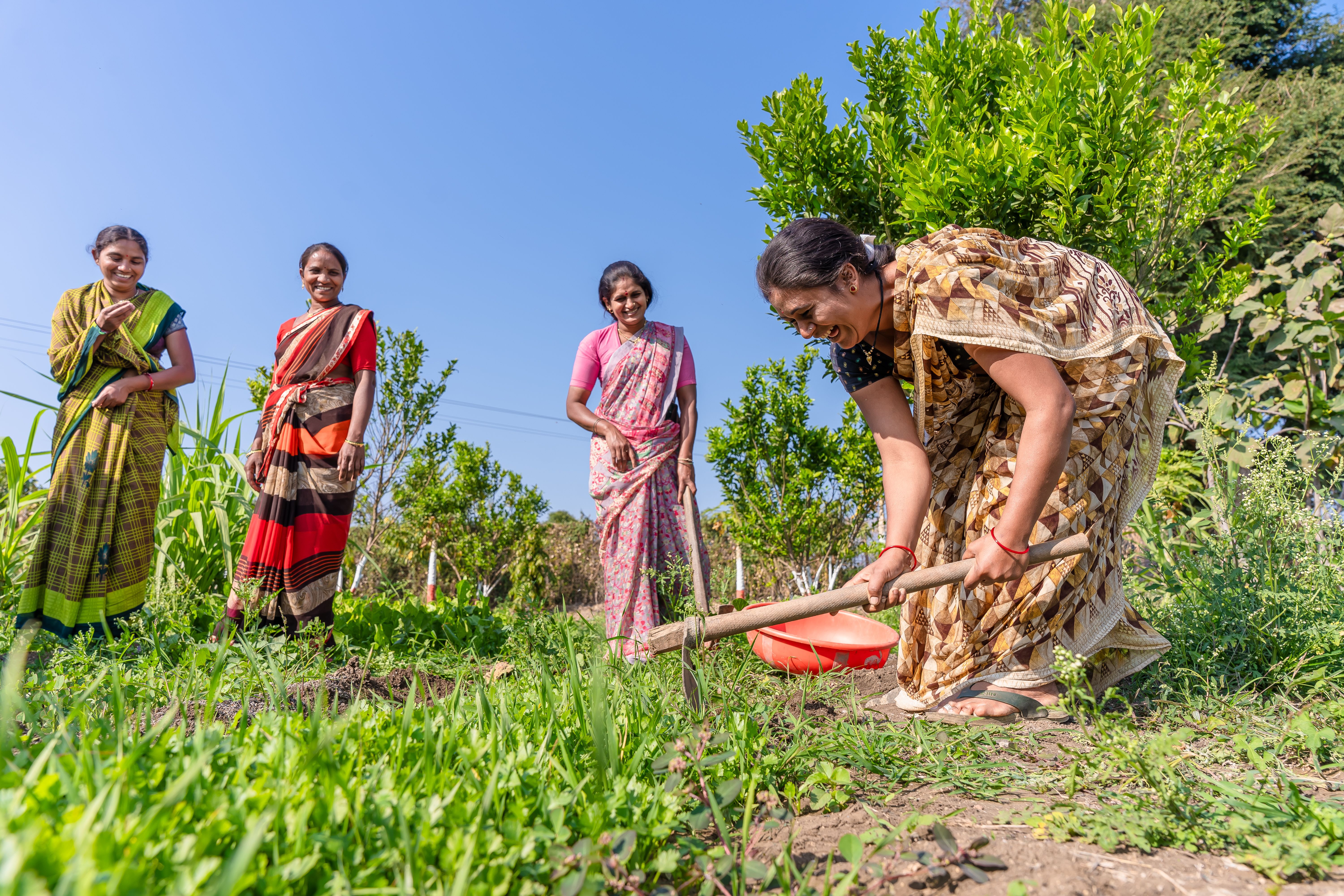
The Union Cabinet of India has approved a substantial increase in the subsidy budget for phosphatic and potassic (P&K) fertilisers. The new budget of ₹62,370.02 crore for the Rabi season 2026-27 marks a 64.3% increase over the previous allocation of ₹37,952.29 crore. This decision reflects recent trends in international fertiliser prices and aims to support farmers amid rising costs.
As of November 10, total fertiliser stocks in the country have risen by 35.6% year-on-year, reaching 23.52 million tonnes. The stocks were significantly lower at 17.35 million tonnes during the same period last year. The announcement comes as India approaches scheduled assembly elections in five states, including Uttar Pradesh, where the Bharatiya Janata Party (BJP) seeks a third consecutive term.
Prime Minister Narendra Modi, who chaired the Cabinet meeting, reiterated his commitment to prioritising farmers. "The nation’s farmers have always been the top priority of the government. While this will ensure that changes in international prices have no impact on our farmer brothers and sisters, it will also ensure they continue to receive fertilisers at affordable and reasonable prices," he stated in a message on X.
The revised subsidy rates show a significant increase in subsidies for nitrogen and sulphur. The subsidy rate for nitrogen has more than doubled, now set at ₹94.21 per kg, compared to ₹43.02 per kg during the previous Rabi season. For sulphur, the subsidy has risen from ₹2.87 per kg to ₹10.42 per kg, representing a nearly 3.6-fold increase. The subsidy for phosphate fertilisers has increased by 37.8%, from ₹47.96 to ₹66.11 per kg, while the subsidy for potash remains constant at ₹2.38 per kg.
The Indian government has reacted to disruptions in the international fertiliser market caused by geopolitical tensions, particularly the US-Israel confrontations in Iran since February. The closure of crucial trade routes has impacted fertiliser supply chains, especially for imports of sulphur, an essential component for phosphate fertilisers. Following these disruptions, prices for phosphate fertilisers rose between 25% and 30% and sulphur prices have more than doubled in six months.
India relies heavily on imported fertilisers, sourcing approximately 60% of its di-ammonium phosphate (DAP) needs from abroad, along with almost all potash requirements. Special government provisions will continue to maintain DAP prices at a fixed ₹1,350 per bag to shield farmers from international price fluctuations.
The financial framework for the upcoming Rabi season indicates an allocation of ₹1.71 lakh crore for fertiliser subsidies, which includes ₹1.16 lakh crore for urea and ₹540,000 crore for P&K fertilisers. Last year's provisions faced a substantial increase due to the ongoing conflict in Ukraine, leading to a revision from an initial allocation of ₹1,05,200 crore to ₹2,25,200 crore in revised estimates—an increase of over 114%.
Despite the increased budget for this financial year, analysts are noting a potential shortfall. The budgeted ₹1.71 lakh crore may not meet the rising costs associated with fertiliser supply. The current approvals for kharif and rabi crops alone add up to ₹1.03 lakh crore for P&K fertilisers, leaving a shortfall of ₹49,900 crore.
The Cabinet's decisions signal a proactive approach to counter global price spikes and ensure that Indian farmers remain insulated from external market fluctuations. Prime Minister Modi has assured farmers that the government will do whatever it takes to keep fertiliser prices stable, stating, "We have not allowed higher fertiliser prices amid tensions in the Gulf to affect farmers."
The Department of Fertilisers reports that inventories of major fertilisers are currently higher than last year, with stocks for urea increasing to 10.31 million tonnes from 7.21 million tonnes and NPK stocks rising to 6.09 million tonnes from 4.24 million tonnes. Although DAP stocks increased slightly, single superphosphate showed a decrease in availability, underscoring the complexities of the agricultural supply chain.

BJP Criticises Sonia Gandhi Over Memoir Claims of Power
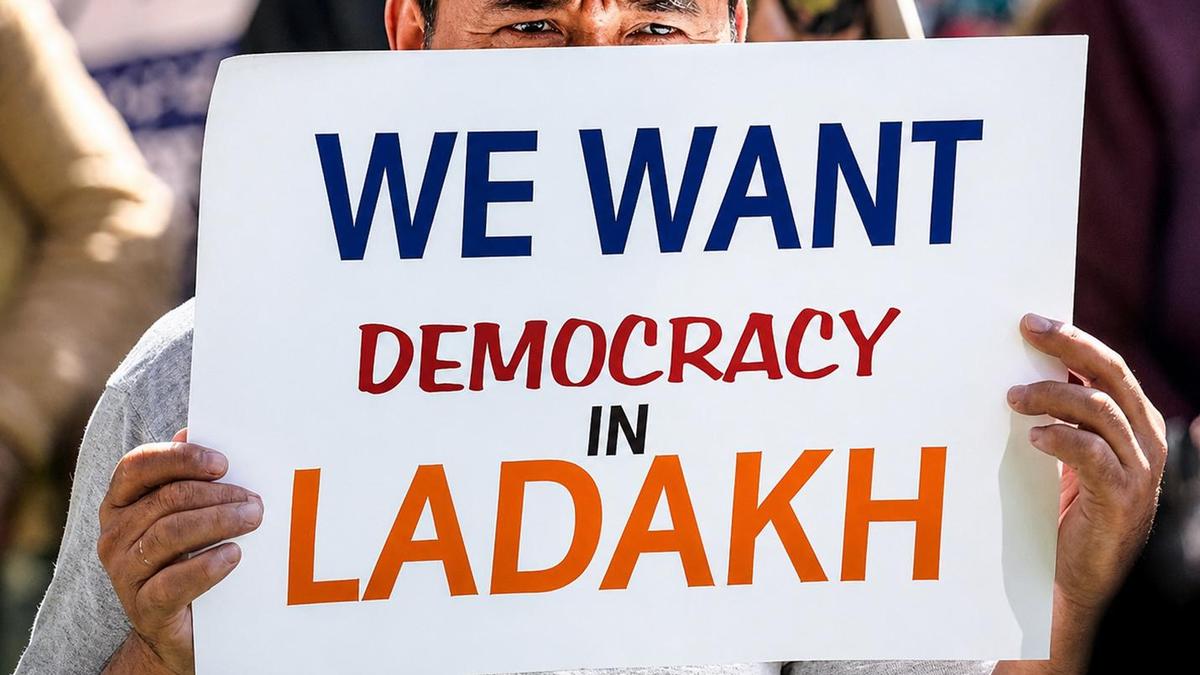
Ladakh Administration Imposes Ban on Protests Ahead of Elections

Jammu and Kashmir Officials Respond to Recent Attacks

Fox Roams Runway as Passengers Experience Delay at Kolkata Airport