Historical Trends in US Midterm Elections: A Detailed Analysis


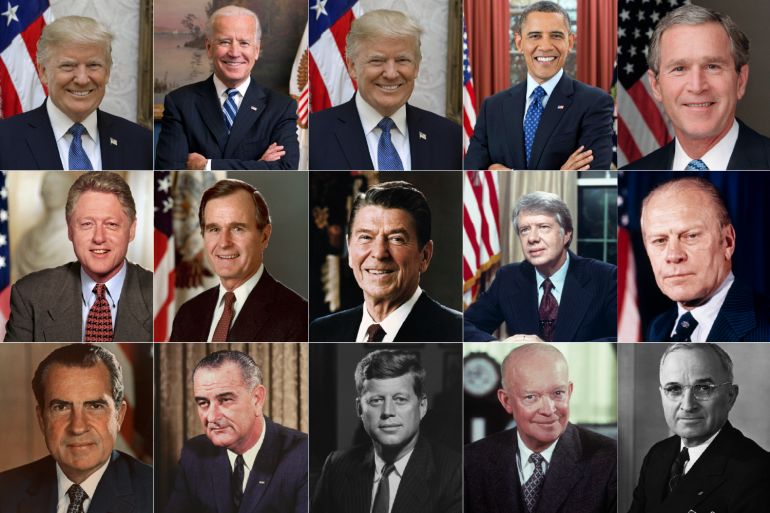
As voters in the United States prepare to cast their ballots on Tuesday, significant attention is focused on the midterm elections, which occur midway through a president's term in office. This election will see all 435 members of the House of Representatives and 35 of the Senate's 100 seats up for grabs. The results are anticipated to influence the balance of power in Congress for the forthcoming two years.
Although the incumbent president's name will not appear on the ballot, the elections are often interpreted as a referendum on their presidency. Historically, the party of the sitting president tends to suffer in these midterms. In 18 of the 20 midterm elections held from 1946 to 2022, the party controlling the White House has experienced losses in the House of Representatives, averaging a loss of approximately 26 seats. Only two presidents in this period, Bill Clinton in 1998 and George W. Bush in 2002, have seen their parties gain seats.
This phenomenon, described by political scientists as the 'presidential penalty' or 'midterm penalty', occurs as voters frequently use the midterms to conduct a check on the administration in power. Notably, Democratic presidents have faced greater midterm losses compared to their Republican counterparts, averaging a loss of about 29 House seats during midterms opposed to approximately 23 for Republicans.
The most substantial loss for a president's party occurred in 2010, shortly after Barack Obama was elected as the first African American president, when Democrats lost 64 seats to Republicans. Similarly, in 1946, Democratic President Harry S. Truman's party lost 56 seats, while under President Bill Clinton in 1994, Democrats lost 54 seats, resulting in the loss of House control.
Republicans have also faced significant defeats; the largest losses occurred under Dwight D. Eisenhower in 1958 when Republicans lost 50 seats and Gerald Ford in 1974 with a loss of 48 seats. In 2018, during Donald Trump’s first midterm, the Republican Party lost 42 seats, consequently losing their control of the House.
The election results often determine not only the distribution of seats but also shifts in control for important legislative matters. Over the last 20 midterms since 1946, the House of Representatives switched hands in seven instances, including in 2006, 2010, 2018, and 2022, with the sitting president's party losing ground.
In terms of the Senate, the president's party has lost seats in 13 out of 20 midterm elections since 1946, although control of the chamber has changed only six times. Senate elections differ from House elections as only about one-third of the Senate's seats are contested every two years due to staggered six-year terms. For instance, Republicans under Eisenhower suffered a significant Senate loss in 1958, giving up 13 seats, while Democrats under Truman lost 12 seats the same year.
Election outcomes can also show contrasting results between the two chambers of Congress. In 1982, despite a loss of 26 seats for Ronald Reagan’s Republicans in the House, they gained one seat in the Senate. This trend continued in subsequent elections, such as in 2022 when Biden’s Democrats lost the House but gained a Senate seat. The implications of these losses can greatly influence a president's ability to enact legislation, as a majority in either chamber is crucial for setting the legislative agenda.
This November, the Democratic Party faces a significant challenge as they aim to secure three additional seats to regain control of the House and four to gain control of the Senate. Under a 50-50 split in the Senate, Republicans would maintain control, enabled by tiebreaker votes from Vice President JD Vance. As the midterm elections draw near, the potential for electoral shifts has sparked considerable debate and analysis regarding the future direction of governance in the United States.
Discontent Among Nationalist Congress Party Leaders in Maharashtra

New Smartphone Releases in November 2026: iQOO, Motorola, and More
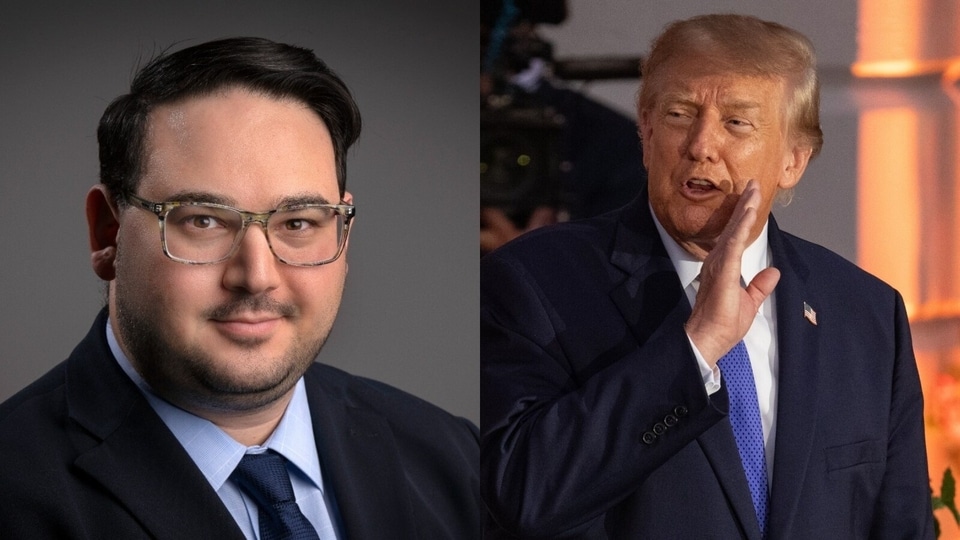
Support Grows for Reuters Reporter After Trump's Insult

Italian Military Helicopter Crashes During EU Mission in Bosnia