Heightened Tensions in Oil Markets Following U.S. Midterm Elections


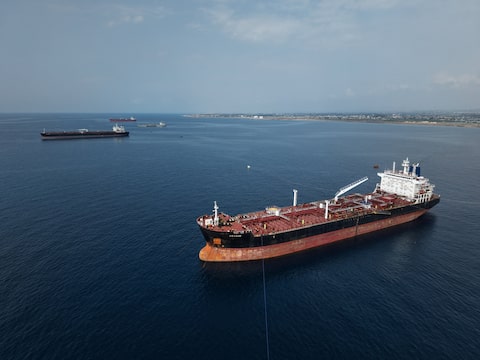
Oil prices have experienced a notable increase following renewed military tensions in the Middle East, particularly in light of recent Houthi attacks on Saudi oil infrastructure. Brent crude trading reached approximately $115.70 per barrel, marking a rise of 1.62%, while West Texas Intermediate futures rose by 1.34%, reaching about $101.20 per barrel.
This upward trend in oil prices is largely attributed to supply fears stemming from falling inventory levels and speculation surrounding a potential U.S. military intervention post the upcoming midterm elections.
The Ras Tanura refinery, Saudi Arabia's largest, has been at the centre of these concerns. Yemen's Houthi forces claim they targeted the facility with a ballistic missile, though Saudi authorities have not confirmed any direct hits or significant operational disruptions. A fire at the site has reportedly been contained.
The incident highlights the increasing dangers in the region, with the Strait of Hormuz having seen over 30 maritime attacks this month alone, a significant rise from the previous month’s total of 14.
Investor sentiment is further influenced by recent reports indicating that the United States has warned Gulf nations to prepare for a possible short-lived military campaign against Iran post-elections.
Saudi military engagements have been escalating, with Saudi defences intercepting multiple missiles aimed at various locations within the kingdom, including Riyadh. Reports from various sources suggest sustained tensions but lack clarity on the actual damage caused, particularly regarding the Ras Tanura complex, which is crucial not only for refining but also as an export terminal.
The Organisation of the Petroleum Exporting Countries, together with allied nations (OPEC+), is anticipated to maintain its oil output targets at its upcoming meeting, focusing on long-term production quotas beyond 2026.
As analysts monitor the evolving situation, the upcoming Energy Information Administration inventory reports are expected to provide further insights into U.S. crude inventory trends, particularly as the American Petroleum Institute recently indicated a decline in inventories of around 2.03 million barrels for the week ending October 23.
The influence of geopolitical dynamics on oil supply and pricing continues to be a significant concern for markets as they navigate the intersection of military actions and energy resource management in the volatile Middle Eastern region.
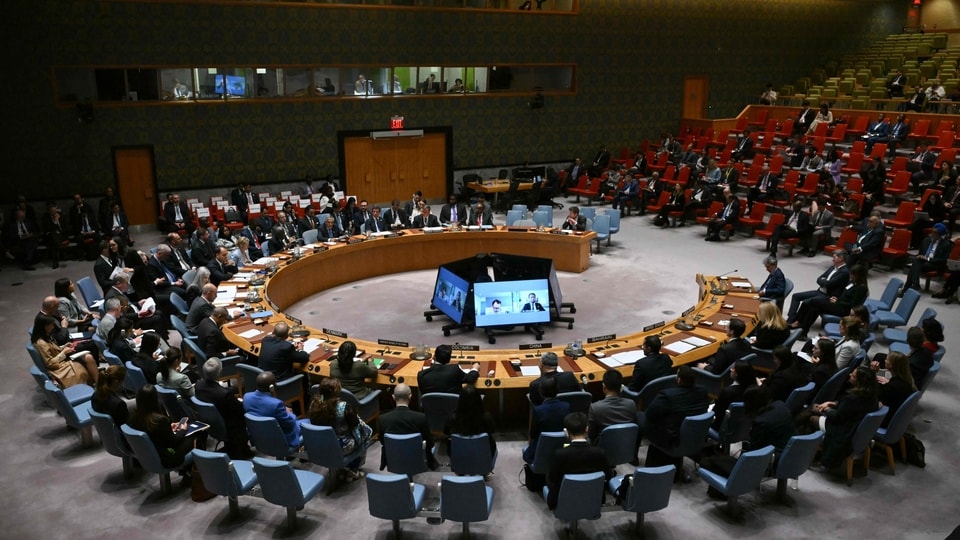
India Advocates Veto Power for All UN Security Council Members
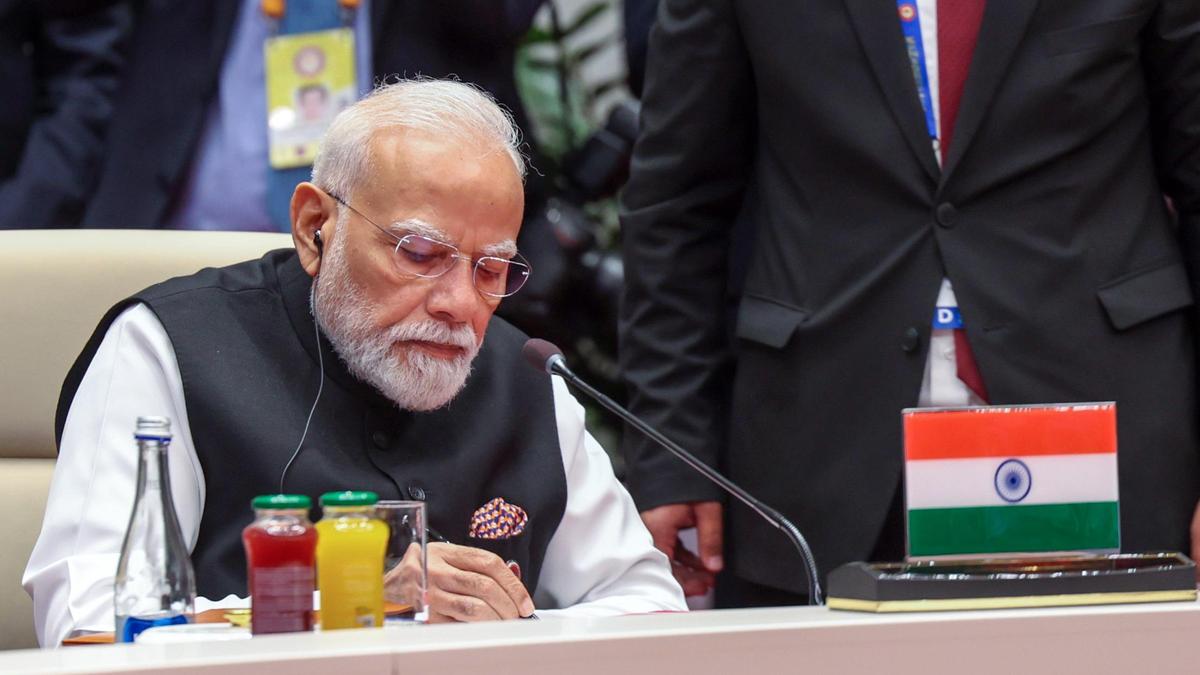
India Extends Invitation to Pakistan for SCO Dialogue Forum Meeting

Cyclone Arnab Strikes Andhra Pradesh with Heavy Rainfall

Indian Prime Minister Speaks on Science and Societal Benefits