Global Dollar Weakness Predicted Amidst Economic Uncertainties


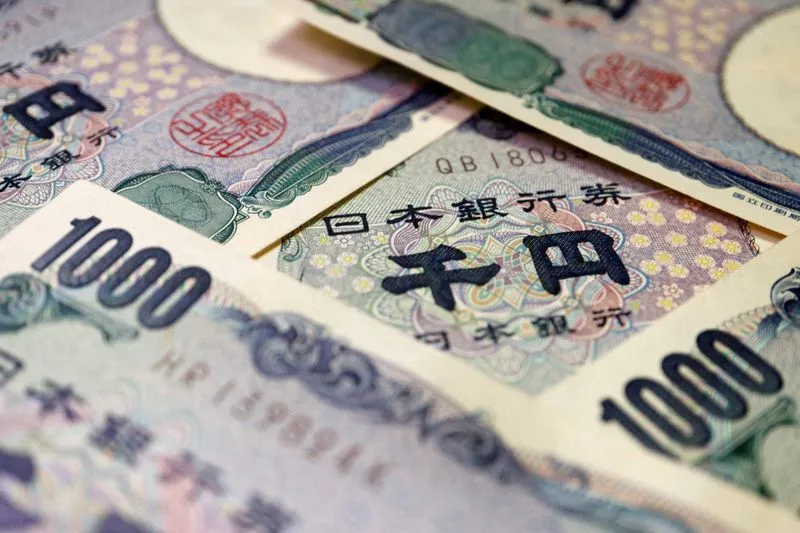
Economic experts are predicting a continued decline in the value of the United States dollar, which may be impacted by a variety of global economic challenges. Market analysts suggest that external factors, including inflation, geopolitical tensions, and shifts in monetary policy among key nations, are contributing to this trend.
The US dollar, often viewed as a safe haven currency, has faced strain in recent months due to rising inflation rates and speculation about the Federal Reserve's interest rate adjustments. According to a report by Bloomberg, analysts indicate that persistent inflation could lead to a tighter monetary policy, but current inflationary pressures may also result in a weaker dollar in the long run.
Moreover, the situation is being exacerbated by increasing global uncertainties. Factors such as political instability in some regions and fluctuating trade dynamics are fuelling apprehensions among investors. A senior economist at a prominent financial institution stated, "The dollar's reserve status is under scrutiny as other currencies gain traction in international trade."
Investors are closely monitoring the developments, as a weaker dollar could have significant ramifications for global markets. Countries with export-oriented economies may benefit from a depreciated dollar, making their goods cheaper on a global scale. Conversely, nations heavily reliant on dollar-denominated debt may find their obligations increasing, leading to potential economic strain.
In the context of international finance, the implications of a declining dollar could be profound. Currencies such as the euro and yen may strengthen further, potentially attracting more investment away from the US. The Intercontinental Exchange’s US Dollar Index, which measures the dollar against a basket of other currencies, has already indicated signs of softening in recent weeks.
Analysts also caution that the dollar's performance could be influenced by ongoing dialogues at the International Monetary Fund regarding global currency stability. As discussions evolve, market participants await clarity on how these conversations may affect exchange rates. The coming months are likely to be pivotal, as further economic developments unfold and geopolitical tensions continue to fluctuate.
In summary, the outlook for the dollar remains uncertain, shaped by an array of factors that could lead to continued weakness unless countered by robust economic policy measures. Investors and economists globally will be watching closely to gauge the potential impact on international trade and finance as the situation develops.

Ceasefire Agreed in Oleshky Amid Ukraine's Humanitarian Crisis
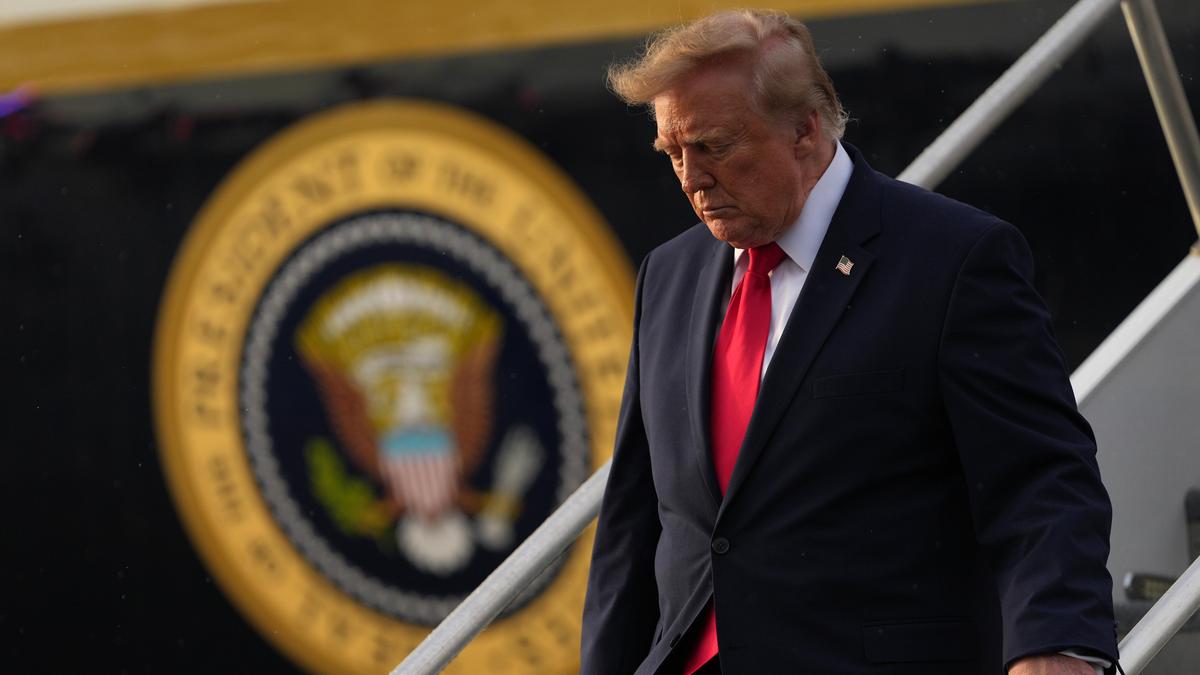
Donald Trump Hints at US Interest in Cuba After Conflict in Iran

UK Court Rules Against India in RAKIA Investment Dispute

India Raises Concerns Over Chinese Border Patrolling Deviations