Global Diwali Celebrations Highlight Tradition and Modern Challenges


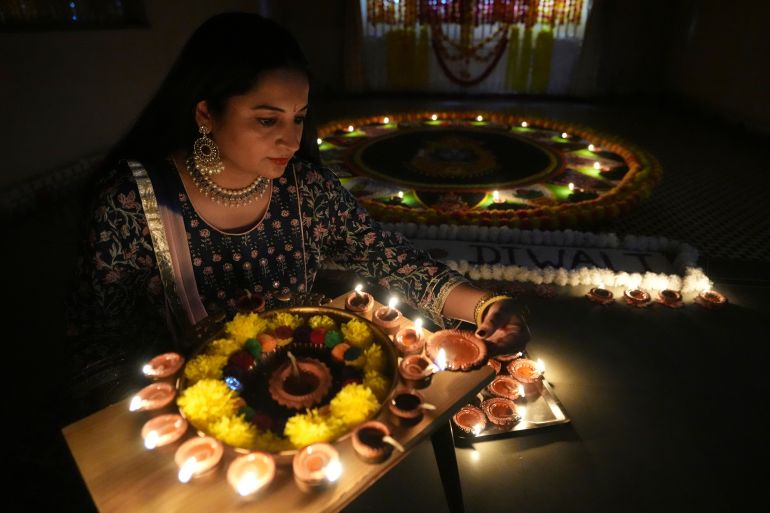
Diwali, known as the festival of lights, is being celebrated by millions in India and among its international communities, marking a significant occasion for Hindus. The festival, which falls on the darkest night of the Hindu lunar month of Kartik, symbolises the victory of light over darkness and good over evil. The term 'Diwali' is derived from 'Deepavali', which translates to 'a row of lights'. During this time, families illuminate their homes with clay oil lamps called diyas, which convey hope and joy.
This year, Diwali is observed on November 8. Preparations for the occasion involve cleaning and decorating homes, gathering for prayers and family reunions, and enjoying lavish feasts. Customary elements of the celebrations include the exchange of sweets and gifts among friends and neighbours.
While Diwali is primarily a Hindu festival, it is also celebrated by other faiths, including Sikhs, Jains, and Buddhists, each possessing regional narratives that echo the theme of good conquering evil. Celebratory activities frequently involve the design of colourful rangoli patterns at home entrances, symbolising welcoming and prosperity.
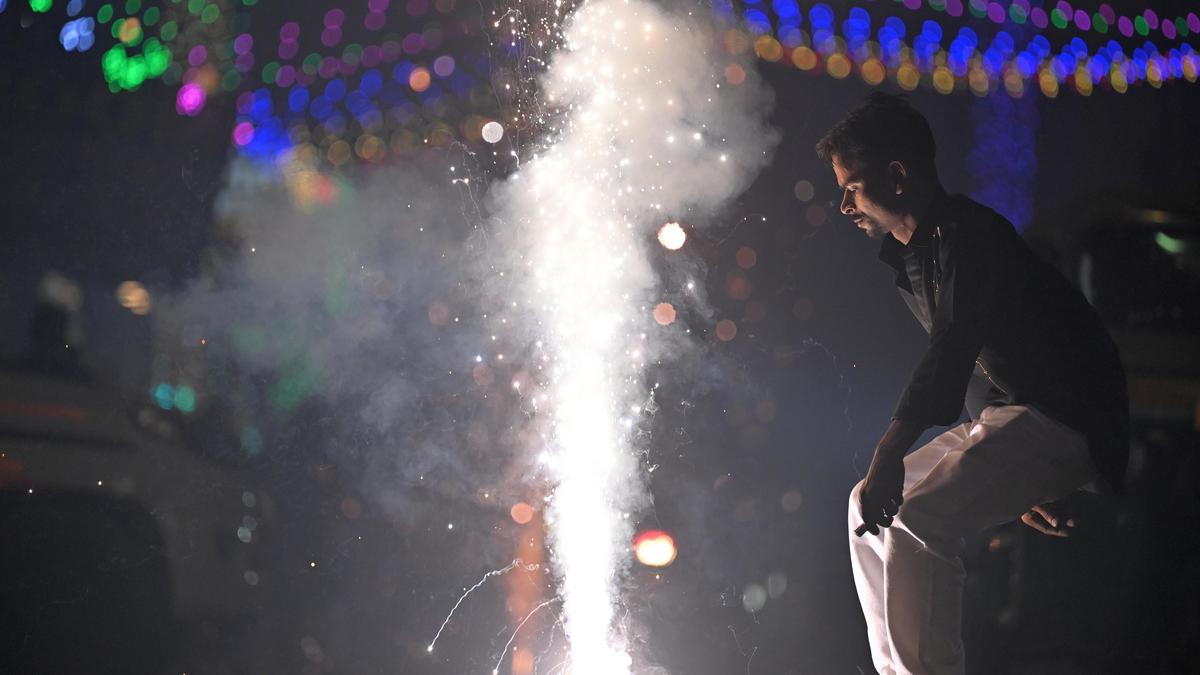
In addition to joyous festivities, this year's celebrations occur alongside increasing concerns regarding air pollution. The Indian capital, Delhi, faces severe air quality issues exacerbated by firecrackers, which are traditionally ignited during Diwali. Recent reports indicate that air pollution levels in Delhi are at their highest for a decade, posing significant health risks.
The Supreme Court of India has permitted the limited use of 'green' firecrackers—designed to emit fewer pollutants—in Delhi and surrounding regions. However, sceptics express doubt about the effectiveness of these measures and worry that traditional firecrackers may still be prevalent due to cross-border supply.
These environmental concerns are juxtaposed with the festival's festive spirit, which includes prayers to the goddess Lakshmi, a symbol of wealth and prosperity. The sequence of Diwali celebrations starts on November 6 with Dhanteras, where buying valuable items is regarded as auspicious, followed by Chhoti Diwali, the main celebration, and ends with Bhai Dooj, honouring the sibling bond.
As Indian communities around the world mark this occasion, the tradition of gathering for family meals and decorating homes continues to be prominent. Many view Diwali as an auspicious period for making new investments, including a special one-hour trading session on Indian stock exchanges known as Muhurat trading, which aligns with the festival's spirit of prosperity. The essence of Diwali resonates beyond mere celebrations, encapsulating a rich tapestry of cultural values and familial bonds.
Delhi's Air Quality Deteriorates to Severe Levels on Diwali
PM Modi Addresses Nature of Ongoing Threats in India
Tamil Nadu Minister Alleges Artificial Intelligence Corruption in Libraries
Ten Years After Demonetisation, Cash Remains Central to India’s Economy