France Limits Outdoor Alcohol Consumption Amid Severe Heat Wave


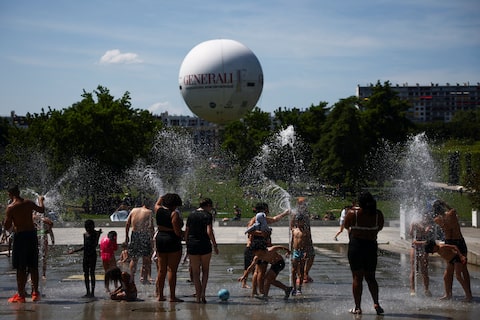
France has implemented a series of measures to combat a significant heat wave affecting various regions, which has led to emergency services and military forces being placed on wildfire alert. Under the national weather service's red alert, a substantial portion of the country is facing dangerously high temperatures, projected to reach 40°C on Sunday, June 21, 2026.
The government has taken proactive steps to mitigate risks associated with the intense heat, especially in urban areas where air conditioning is not widely available. Notably, the Eiffel Tower and several other venues in Paris have established misting stations to help cool visitors. In light of the extreme conditions, local and national authorities have also imposed restrictions on public alcohol consumption and cancelled some outdoor sports events.
The World Health Organisation's Europe office has reported that over 200,000 individuals in Europe have succumbed to heat-related causes over the last four years, mostly due to preventable factors. The organisation has urged member states to adopt strategies to combat future heat waves, including the establishment of cooling centres and implementing flexible work schedules to avoid the midday sun.
Concern is particularly heightened during France's annual Music Day, which coincides with the summer solstice on June 21. This event typically features numerous concerts across village squares, clubs, and other venues, drawing both local and international crowds. In an effort to ensure public safety, the government has mandated that event organisers limit alcohol consumption, stating this would enable emergency services to effectively manage any health crises that may arise.
Officials are particularly worried about vulnerable groups, such as the elderly and those living alone, as a similar heat wave in 2003 resulted in approximately 15,000 deaths among older individuals. To enhance preparedness, France's government has reinforced wildfire readiness and has initiated closer monitoring of water supplies for the country’s nuclear reactors.
Although the government has stressed that schools will only be closed as a last resort, schedules for end-of-year exams held in the afternoons may be adjusted to early morning hours due to the extreme heat. Prime Minister Sébastien Lecornu convened an emergency meeting on Saturday, June 20, as the intensity and duration of the heat wave were classified as unprecedented. He instructed ministers to develop better strategies for adapting to future heat events, potentially including enhanced air conditioning systems across public facilities.
ABVP Wins Majority in Delhi University Students' Union Elections
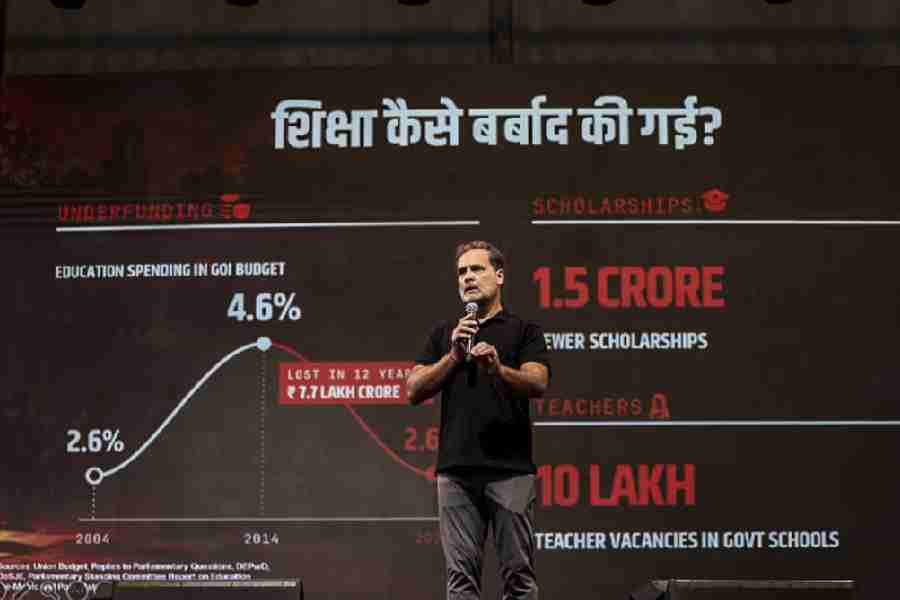
Rahul Gandhi Criticises Modi Government's Attitude Towards Students
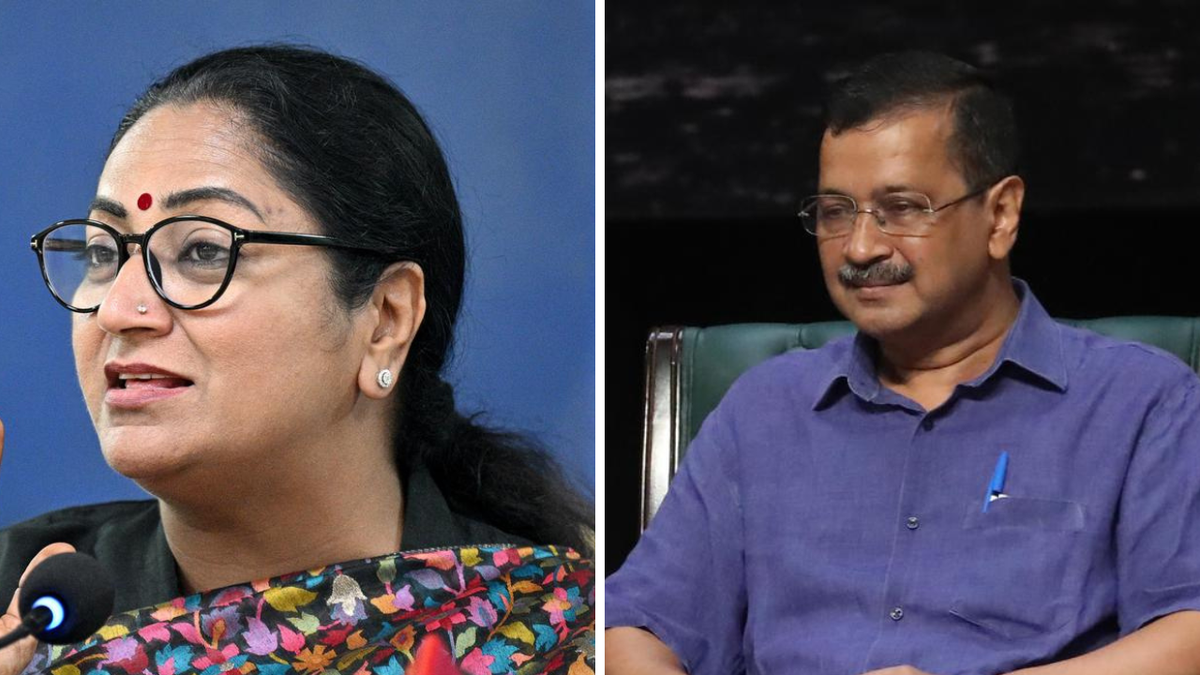
Delhi Chief Minister Faces Scrutiny Over Ongoing Notices

Former Union Minister Detained in Punjab Protest Against CM