Fatty Acid from Gut Bacteria Shows Potential Against Atherosclerosis


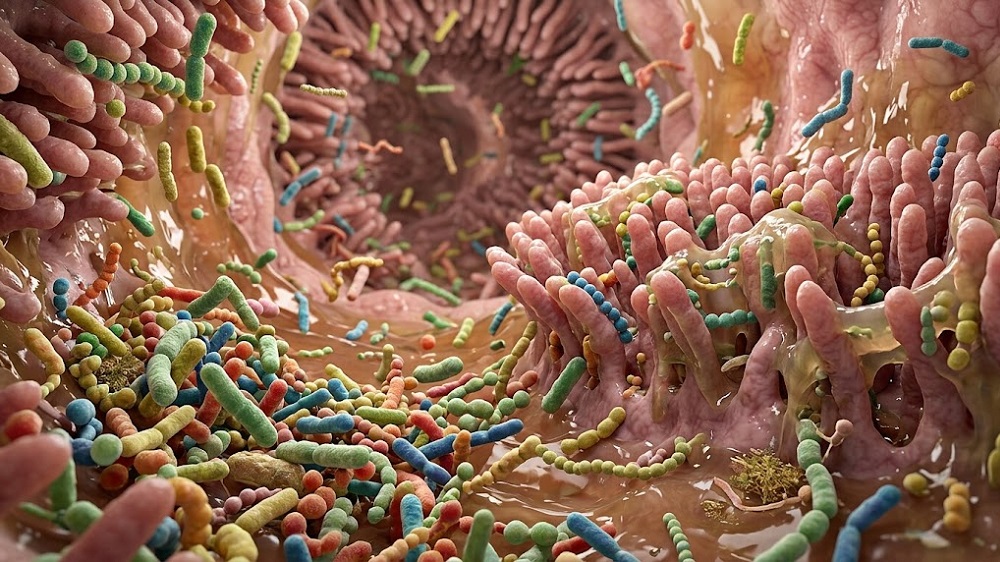
A recent investigation has shown that a fatty acid produced by certain gut bacteria may act as a natural statin, offering new insights into potential treatments for atherosclerosis. Atherosclerosis is characterised by the accumulation of cholesterol-rich particles in the arterial walls, leading to inflammation and plaque formation. The liver typically counteracts this by filtering low-density lipoprotein (LDL) cholesterol from the bloodstream via LDL receptors, which gather these harmful particles and store them in cells. Previous studies indicated a connection between gut bacteria and cholesterol metabolism, with various species of the genus Bacteroides being less prevalent in individuals suffering from atherosclerotic cardiovascular disease. Researchers in China sought to explore this further, publishing their findings in the journal Nature.
To begin, the team analysed gut microbiome sequencing data from individuals with atherosclerosis and healthy participants. The bacterium Bacteroides uniformis emerged as the predominant species present in the healthier group. The researchers then introduced this bacterium to male mice deficient in the ApoE gene, which is crucial for cholesterol clearance. These mice are known to develop atherosclerosis quickly on a high-fat diet. The team used atorvastatin, a well-known cholesterol-lowering medication, as a control. After twelve weeks of Bacteroides uniformis treatment, the mice showed a substantial reduction in plaque area within the aorta and aortic root. The treatment also effectively lowered overall plaque burden and reduced circulating LDL cholesterol levels, total cholesterol, and triglycerides, although levels of high-density lipoprotein (HDL) cholesterol remained largely unchanged.
This comparison to the vehicle-fed control group indicates that treatment may have slowed atherosclerosis but did not fully reverse it. Atorvastatin yielded results that were comparable or slightly superior. Additionally, Bacteroides uniformis decreased the numbers of plaque-associated macrophages—immune cells that contribute to the formation of plaques—and altered the local immune response towards a less inflammatory state.
Further investigation into liver gene and protein activity revealed that Bacteroides uniformis promoted increased expression of LDL receptors and activated SREBP2, a protein that modulates cholesterol levels in cells. When the team disabled the LDL receptor gene in the liver, the beneficial effects of the bacterium diminished, demonstrating the necessity of functional LDL receptors for the observed protective effects.
The researchers postulated that Bacteroides uniformis may reduce cholesterol synthesis in the liver, subsequently leading to an increase in LDL receptor expression. This upregulation allows liver cells to draw more cholesterol from the bloodstream, resulting in decreased LDL levels. They also examined whether live bacteria were essential for these effects or whether their metabolic byproducts would suffice. Dead bacteria did not provide the same benefits, but an extract of the bacteria's cultural fluid did show promise, suggesting a specific metabolite might be responsible for the effects.
The metabolite of interest was identified as pentadecanoic acid, a saturated fatty acid known as C15:0, which contains 15 carbon atoms. This specific molecule activated the same SREBP2-LDL receptor pathway as Bacteroides uniformis. Upon giving purified C15:0 to the atherosclerosis-prone mice for eight weeks, the researchers observed a 50% reduction in plaque burden and significant improvements in overall cholesterol profiles. However, atorvastatin continued to outperform C15:0 in terms of efficacy.
In subsequent analyses targeting HMG-CoA reductase, an enzyme critical to cholesterol synthesis and a target of statin drugs, the team found that pentadecanoic acid inhibited this enzyme directly, though it acted less effectively than atorvastatin, which aligns with the modest impact observed on atherosclerosis. The authors noted that the longer duration and higher exposure of pentadecanoic acid in mice might partly offset this weakness.
The researchers also assessed C15:0 levels among individuals with dyslipidaemia—unusually high blood lipid levels—and found significantly lower concentrations of this fatty acid compared to healthy controls. Additionally, a reanalysis of existing microbiome datasets indicated lower levels of genes responsible for C15:0 production in people with atherosclerosis. According to Wenjing Zhao, a microbiologist at Sun Yat-sen University and co-author of the study, these results highlight promising new avenues for leveraging the microbiome to enhance heart health. Nonetheless, further research, particularly in human subjects, is required to clarify the efficacy and safety of pentadecanoic acid compared to traditional statins.

Houthi Attacks on Riyadh Airport Result in Three Fatalities

Indian By-Elections: Ruling Parties Gain Seats in Recent Polls

TVK and BJP Achieve Success in Recent Indian Assembly Bypolls

Elon Musk Issues Apology to Indian Prime Minister Mukesh Ambani