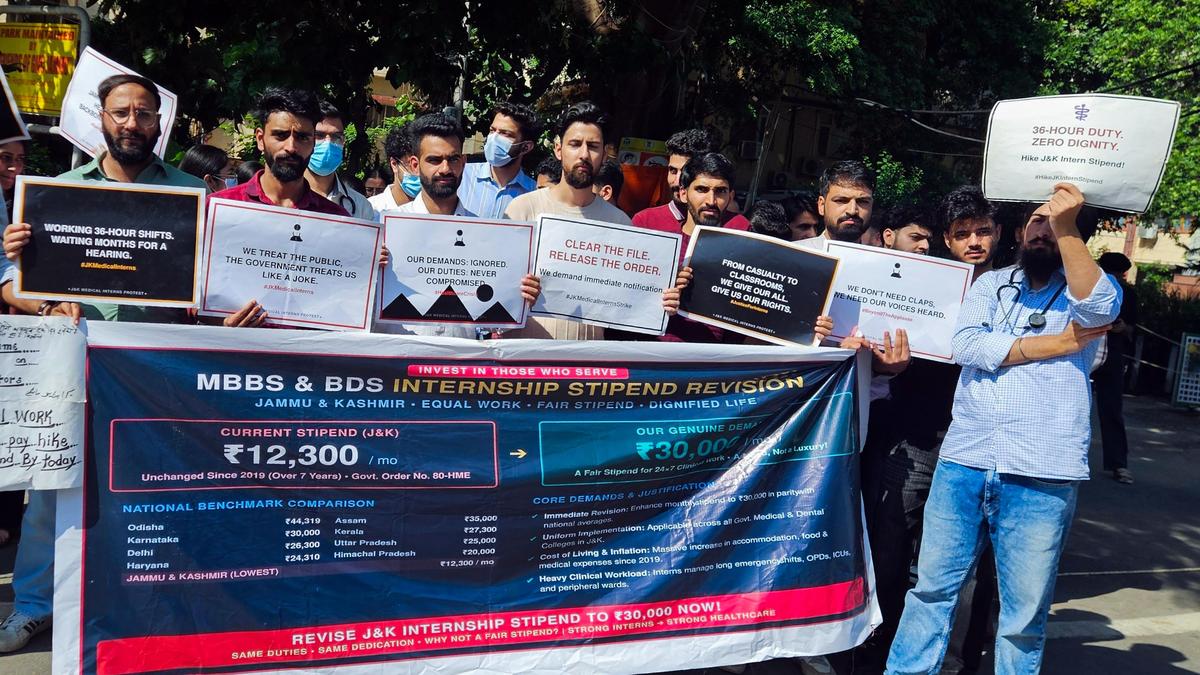
UN Experts Urge India to Address Violence Against Student Protesters


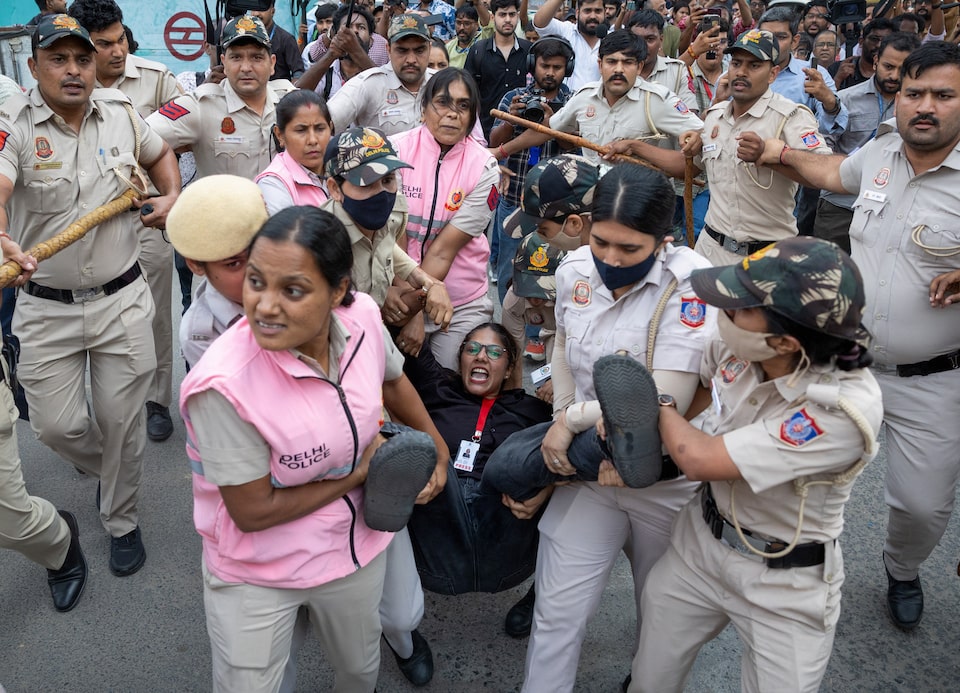
Twenty-four experts from the United Nations Office of the High Commissioner for Human Rights (OCHCR) have issued a statement condemning the Indian government's crackdown on peaceful protests. This comes as reports emerged regarding excessive force used against unarmed student demonstrators in New Delhi and elsewhere. The group, comprising 16 special rapporteurs and independent experts, highlighted significant human rights violations occurring in recent weeks.
In their statement, the experts noted that the Indian authorities have repeatedly imposed undue restrictions on peaceful assembly and engaged in arbitrary detentions. Specifically, they addressed incidents involving police brutality, including the use of batons during protests, and reported preventive detentions that totalled around 7,000 individuals. They also raised concerns about alleged sexual abuse faced by female protesters, who were advocating for changes related to the Special Intensive Revision and calling for the resignation of Chief Election Commissioner Gyanesh Kumar.
The experts commented, “Despite the non-violent nature of the assemblies, law enforcement agencies have reportedly deployed force against unarmed students, including lathi charges and have prevented thousands from joining the protests.” The protests primarily focus on government decisions affecting the education system and recent voter-roll deletions that allegedly impact 130 million individuals from minority and vulnerable communities.
The statement emphasised that the actions taken by the Indian government violate its international obligations regarding human rights. The UN representatives urged the authorities to cease excessive force against peaceful assemblies and to stop blanket bans on gatherings, which they argue constitute a form of digital surveillance abuse.
The UN experts have also indicated their dismay over the alleged use of Section 163 of the Bharatiya Nagrik Suraksha Sanhita, a newly implemented Criminal Procedure Code, ostensibly to suppress dissent rather than uphold public order. They state that any restrictions on peaceful assembly must adhere to the principles of legality, necessity, and proportionality.
In addressing gender-specific impacts, the experts expressed particular concern regarding reports of sexual violence and other forms of gender-based abuses during protests and detentions. They called for an independent investigation into the actions of law enforcement, emphasising the need for accountability and reparations for those affected.
The experts' statement calls for the government to not only respect and protect the right to peaceful protest but also to ensure justice for human rights violations reported during ongoing protests. They stressed that proper attention should be allotted to the specific repercussions faced by women and other marginalised groups in the pursuit of their rights to assembly and expression.
This situation continues to evolve, and the actions taken by authorities in response to ongoing protests will be closely monitored by both national and international observers, highlighting the importance of safeguarding human rights in the context of dissent.
Indian Minister Subrahmanyam Jaishankar Meets UAE Counterpart

Chennai Reopens 22 Subways Following Heavy Rain and Flooding

Delhi Leaders Clash Over Giant Cockroach Effigy Burning Incident
Violence Erupts in Manipur Following Kuki Man's Death