European Leaders Unite for Peace Talks Aimed at Resolving Ukraine Conflict


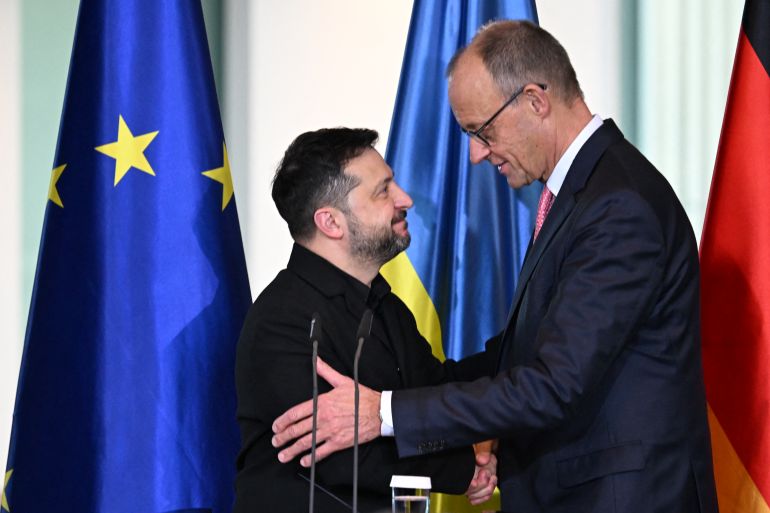
European leaders convened in Berlin during the Coalition of the Willing summit to emphasise their unified stance on supporting Ukraine amidst the ongoing conflict with Russia. The meeting reaffirmed commitments to both military aid and long-term security guarantees for Ukraine, which the leaders described as critical for Europe's stability.
The summit featured participation from prominent figures including German Chancellor Friedrich Merz, French President Emmanuel Macron, and UK Prime Minister Andy Burnham, alongside Ukrainian President Volodymyr Zelenskyy. In a joint statement issued after the discussions, the leaders condemned Russian missile and drone attacks on civilian infrastructure, labelling them as part of a systematic escalation against Ukraine.
The collaborative commitment included a focus on enhancing Ukraine’s air defence capabilities, which the leaders regarded as a priority. Furthermore, they agreed on the necessity of sanctions aimed at hindering Russia’s funding for the war, specifically targeted at oil and gas revenues.
During the summit, the leaders advocated for robust security guarantees for Ukraine once a ceasefire is in place. They proposed the establishment of a European-led Multinational Force to bolster Ukraine’s defences, a concept that has faced resistance from Russia. The emphasis on a European role in future negotiations with Moscow was underscored, highlighting the importance of including Europe in the process.
Ukrainian President Volodymyr Zelenskyy echoed the sentiment for stronger European participation, asserting that such involvement is essential for any productive negotiations. He expressed gratitude to the allied nations, particularly for their ongoing military support as winter approaches and the threat of intensified Russian drone attacks looms.
French President Emmanuel Macron highlighted the urgent need for Ukraine to maintain its self-defence capabilities, suggesting that the question of Ukraine’s NATO membership be reconsidered amid the current crisis with Russia. Macron stressed the importance of allies delivering military support to Ukraine promptly, mentioning the need for air defence systems that can counteract Russian aerial bombardments.
Jared Kushner, a United States special envoy, also took part in the discussions, stating that the unity displayed among European leaders in support of Ukraine was evident. Kushner conveyed that US President Donald Trump remains focused on achieving peace and is keen on direct dialogue between Moscow and Kyiv, bolstered by European involvement.
While the meeting sought to address a comprehensive approach to peace talks, uncertainties linger about Russia’s receptiveness to conditions stipulated by European leaders. Previous peace proposals have been met with rejection by Moscow, and despite expressing willingness to consider a dialogue, Russian President Vladimir Putin maintains a guarded stance regarding Ukraine's aspirations for NATO membership.
As the negotiations unfold, European leaders reaffirmed their commitment to enduring support for Ukraine as it faces a projected financing gap of €25 billion for the upcoming year. In this context, the Coalition of the Willing meeting served as a crucial platform for uniting allies and establishing a coherent approach to future engagements regarding peace in Ukraine and the broader European security landscape.
Indian National Tushar Sharma Identified as Murder Victim in Canada

Gold and Silver Prices Decline as Hawkish Fed Expectations Rise

Prince William Experiences Mumbai’s Culinary Delights

Significant Outage Affects Apple and Google Services Worldwide