Escalating Tensions: Three Tankers Attacked in Strait of Hormuz


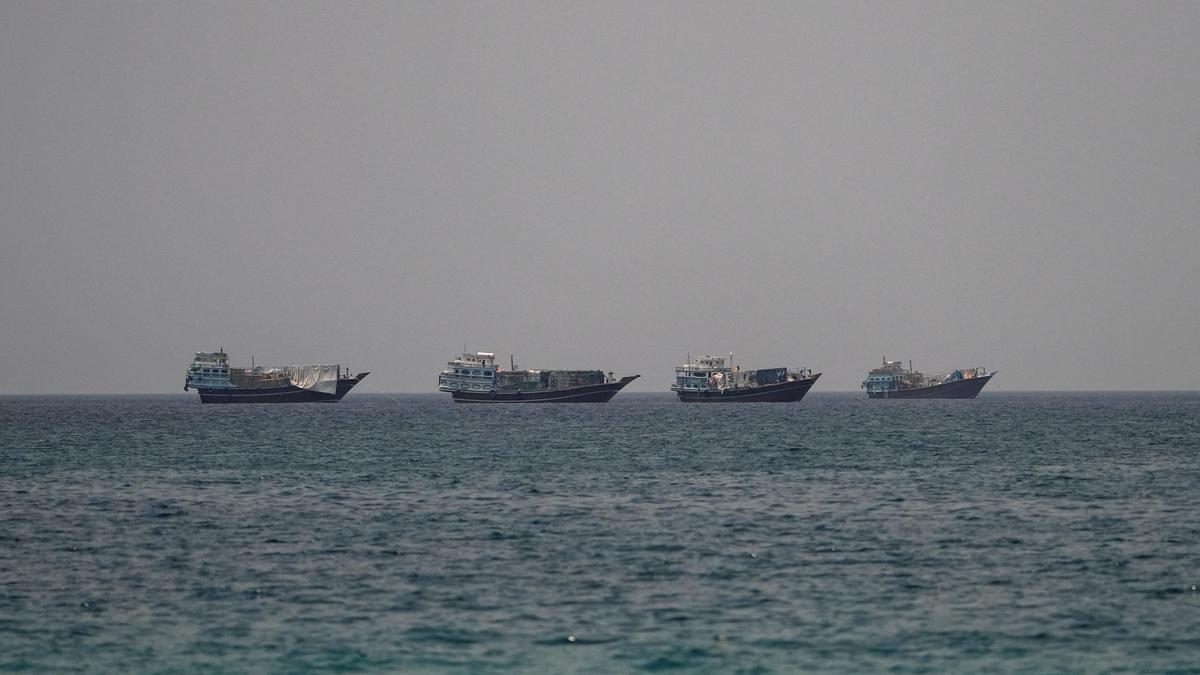
Amid rising tensions in the Middle East, three tankers were reportedly attacked within a 24-hour period in the increasingly volatile Strait of Hormuz. Maritime monitors and officials from Qatar confirmed the incidents on 7 July 2026, pointing to allegations of Iranian aggression, described as an 'unacceptable' act by Qatar's foreign ministry. One tanker was struck by an unidentified projectile, igniting a fire, shortly before two others were reportedly hit, one of which was reportedly struck by a drone.
The incidents occurred close to the coast of Oman, with the first reported attack taking place near Limah, roughly eight nautical miles off the Omani coast. This marked the first significant incident in the Strait of Hormuz since the start of mourning ceremonies for the late Iranian Supreme Leader, Ayatollah Ali Khamenei, who was killed earlier this year. In response to the escalating threats, Iran stated that there would be no further peace talks unless prior threats from the United States were retracted.
Prior to these events, Israeli Foreign Minister Gideon Saar announced that discussions aimed at stabilising relations with Lebanon would resume mid-July in Rome. He clarified that Israel holds no territorial ambitions in Lebanon, even amidst the fraught situation in the region.
The series of tanker strikes further complicates maritime operations in the strait, a crucial passage for global oil and gas shipments, especially as nations are attempting to return to normal shipping protocols post-pandemic. The recent attacks raised alarms that the ongoing conflict between the United States and Iran could jeopardise the stability of international maritime navigation.
The United Kingdom Maritime Trade Operations agency (UKMTO) confirmed that the tankers sustained damage but were fortunate to report no injuries or environmental incidents resulting from the attacks. In light of these developments, Qatar's spokesperson asserted that the strike against the Qatari tanker, Al Rekayyat, represented a clear violation of international law.
Iran's actions have prompted calls for urgent international intervention, as NATO Foreign Ministers were set to convene to discuss the ongoing threats in the Strait of Hormuz, where maritime security has become a critical concern. This meeting comes amidst proposals for a multinational maritime initiative, which Iran has previously dismissed, raising questions on the effectiveness of diplomatic efforts to ensure regional stability moving forward.
As dignitaries gathered in Qom for the ceremonial tributes to Khamenei, the atmosphere was charged with calls for retribution, as many Iranians expressed their anger over the recent aggressions. Helicopter footage of the mourning processions captured throngs of mourners, reflecting the national sentiment in Iran as tensions with the United States continue to escalate.
As world leaders assess the implications of Iran's actions in the Strait of Hormuz, the potential for further escalation remains a pressing concern for international maritime operations and regional security.

Kerala Initiates Probe into 2006 Suicide Case Involving CEC

Extradition of Sheikh Hasina Feasible, Says Indian High Commissioner

Punjabi Makeup Artist Mad Sandhu Shot Dead in Amritsar

India Achieves Fourth Place at Asian Games 2026 Through Late Success