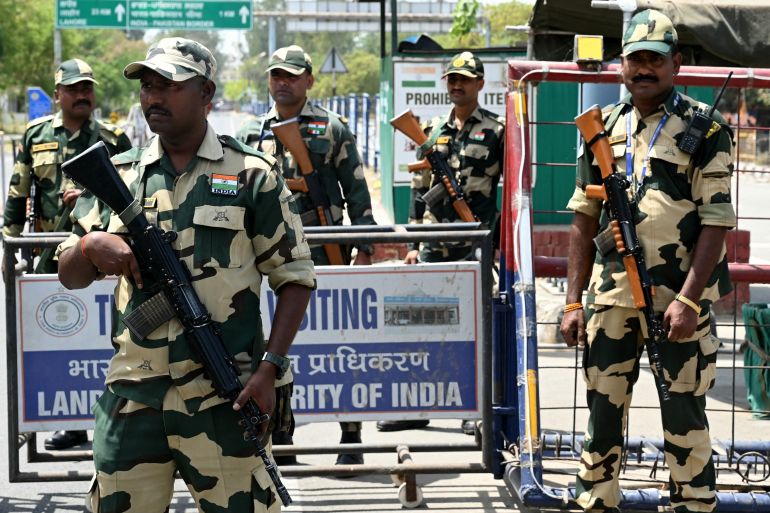
Escalating Tensions Along Iran-Iraq Border Amid Protests and Clashes


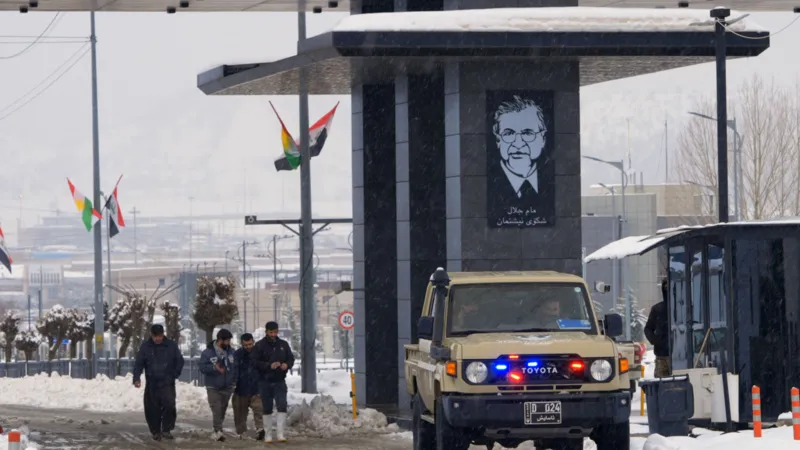
The border area between Iran and Iraqi Kurdistan has recently become the site of heightened tensions and conflict, prompting a number of Iranians to flee to safety. Eyewitnesses have recounted harrowing stories of violence as protests erupt in response to ongoing social issues within Iran.
Local residents describe harrowing experiences, including being struck by projectiles during confrontations with security forces. The atmosphere is charged as Iranians express their dissent against government policies, particularly amid a nationwide blackout that has limited communications and increased fears among the populace.
At the border crossing, a stark reminder of the political climate remains in the form of imagery celebrating Iran's former Supreme Leader, Ayatollah Khomeini, overseeing the exodus of citizens. Reports indicate that the Iranian authorities have intensified efforts to suppress dissent, employing harsh measures against protestors.
Protests have gained momentum as dissatisfaction grows over a variety of issues, including human rights violations and economic challenges. Experts have noted that these demonstrations are rooted in long-standing grievances against the Iranian government. A spokesperson for a human rights organisation stated, "We stand in solidarity with those who seek justice and a voice in their own country."
As the region awaits possible reprisals from the Iranian government, the situation remains fluid. With each passing day, news from the border hints at an escalating conflict, with implications not just for Iran but for regional stability as well. International observers are closely monitoring the developments, as the potential for broader conflict looms over the horizon.
One Iranian citizen, who chose to remain anonymous for safety reasons, described the tension along the border saying, "Every day is a struggle. We live in fear of being seen as dissidents. It's overwhelming."
The situation remains dynamic, as local and international entities try to navigate the implications of these protests for both Iranian society and regional relations. Calls for international attention to the plight of the Iranian people are growing louder amid escalating violence, both at home and at the borders. The international community is urged to engage in dialogue that reaches beyond mere observation of the unrest.
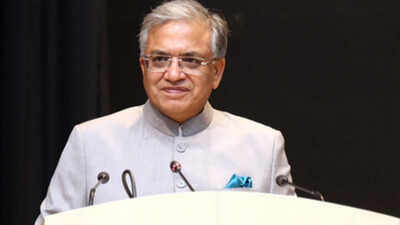
Kerala Initiates Probe into 2006 Suicide Case Involving CEC
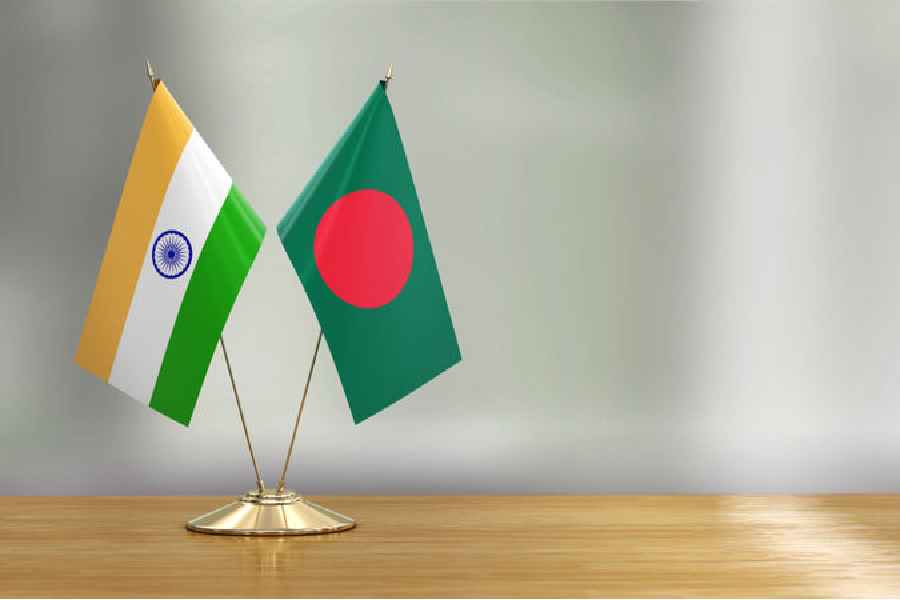
Extradition of Sheikh Hasina Feasible, Says Indian High Commissioner

Punjabi Makeup Artist Mad Sandhu Shot Dead in Amritsar

India Achieves Fourth Place at Asian Games 2026 Through Late Success