Ebola Spread in DR Congo Linked to Human Travel Patterns


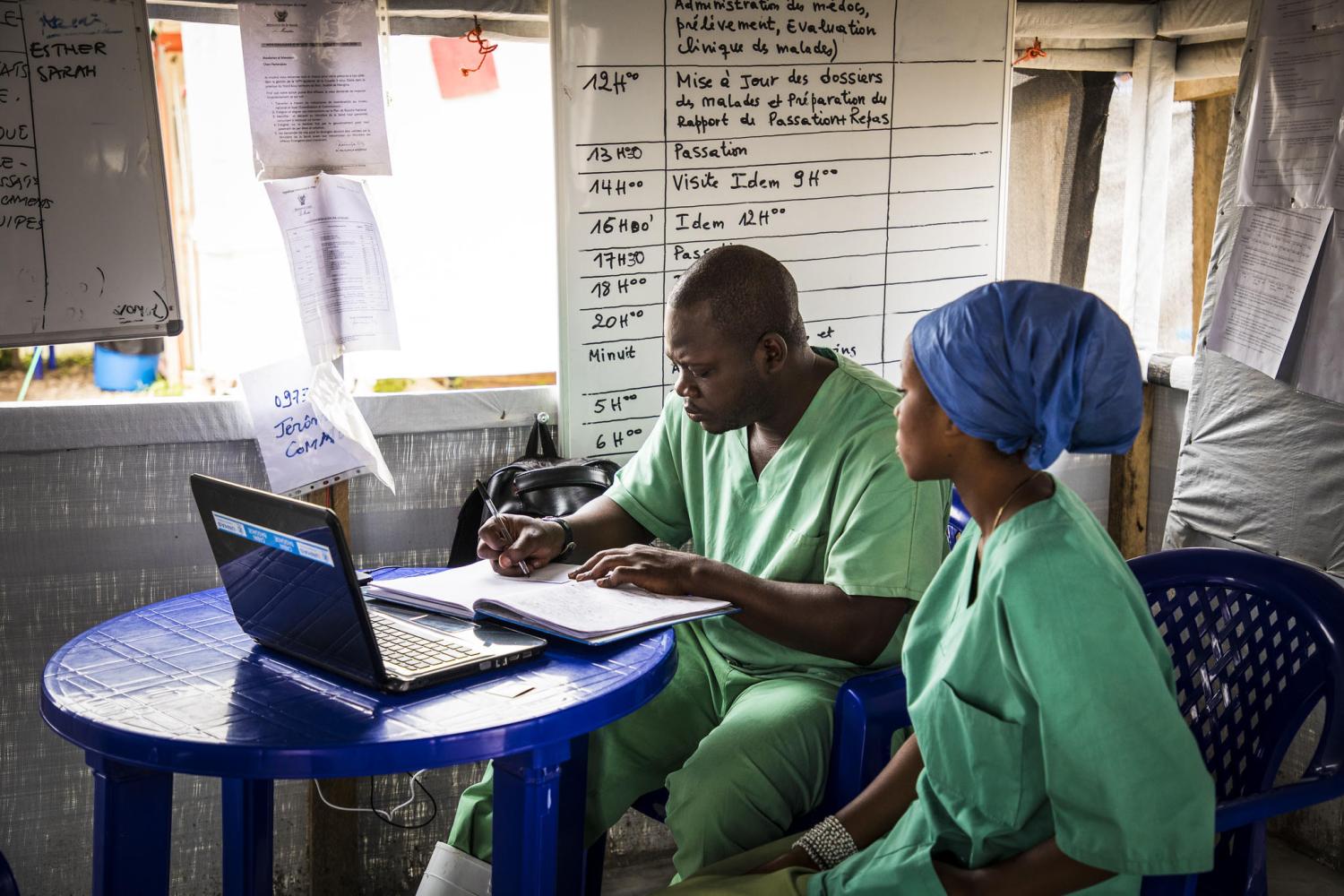
A study led by scientists in the Democratic Republic of Congo (DRC) has identified human mobility as the key factor behind the rapid dissemination of the Bundibugyo Ebola virus during the ongoing outbreak. This incident is being recognised as both the largest and fastest-growing Ebola outbreak in history. The latest statistics from the US Centers for Disease Control and Prevention indicate that there have been 11,463 reported cases and 5,597 fatalities since the outbreak began.
The research team correlated case and testing data with mobile phone movement metrics, revealing that geographical factors or population density did not significantly contribute to the virus's spread. As of the latest reporting, Ebola has impacted 67 health zones across eight provinces in the DRC.
In the meantime, neighbouring Kenya has initiated a 42-day monitoring period following the recovery of its last Ebola patient. Nigeria has concluded its 21 days of monitoring after successfully discharging its solitary infected individual and clearing all 62 monitored contacts.
The study, published in the journal Science, indicates that the virus was likely circulating weeks prior to the formal outbreak declaration in mid-May. This research offers the most comprehensive epidemiological analysis of the outbreak’s rapid expansion in Ituri province and adjacent areas to date.
Despite the critical situation, there are currently no available vaccines or treatments specifically targeting the Bundibugyo strain. However, trials for a vaccine and therapeutic options are in progress. During the outbreak, a team of over 50 researchers examined data that aimed to answer pivotal questions posed by response teams, such as optimal resource allocation and the required financial support for hospitals caring for infected individuals.
Pierre Akilimali, MD, PhD, of the University of Kinshasa and one of the study's co-authors, noted that “within days of the alert, Congolese teams were collecting, curating, and analysing individual-level case data under extraordinarily difficult conditions.” The first symptomatic case of the outbreak was recorded on April 25, although a prior sample from a suspected case, taken as early as April 9, returned invalid results, likely due to inadequate biological material.
Data revealed a surge in cases from May 10 to June 1, with infections in health zones and geographical areas climbing significantly during this interval. The estimated doubling time of cases was approximately 10 days. Test positivity peaked at 54% for samples from individuals displaying symptoms before May 13, stabilising at around 36% as case investigations and testing ramped up post-declaration.
Among 555 recorded test outcomes detailing age, sex, and symptom onset, the median patient age was found to be 34.5 years, with women making up 59% of confirmed infections. The analysis found that while mobility was a determining factor in outlining health zones reporting infections, the size of the destination population was not a significant predictor of virus transmission.
The study indicated that the risk of Bundibugyo invasion diminished with greater distance from central points in Ituri, but slightly increased from 150 to 200 kilometres away, likely attributable to established travel pathways. Researchers emphasised the need for immediate and sustained action to control the outbreak, given the rapid escalation of cases and absence of medical countermeasures.
Co-senior authors Moritz Kraemer, DPhil, from the University of Oxford, and Samuel Scarpino, PhD, of Northeastern University, remarked on the significance of human mobility data in anticipating future virus spread, advocating for a permanent establishment of laboratory and care facilities in high-risk areas for improved epidemic preparedness moving forward.
Official support for the ongoing Bundibugyo virus response, which began with funding from the Gates Foundation, is currently provided by the Coalition for Epidemic Preparedness Innovation (CEPI) through the Institut National de Recherche Biomedicale-led B-REACT network. The findings underscore the urgent need for proactive measures as the outbreak continues to evolve.
Kashmir Commander Lateef Bhat Engaged in Standoff in Kulgam
Modi Promotes E-Visas for ASEAN Tourists at Manila Summit

BJP Responds to Rahul Gandhi's 'Dead Economy' Comment with Growth Data

BSF Jawan Detained by Bangladesh Border Force: Repatriation Efforts Begin