Ebola Cases in Democratic Republic of Congo Exceed 10,000


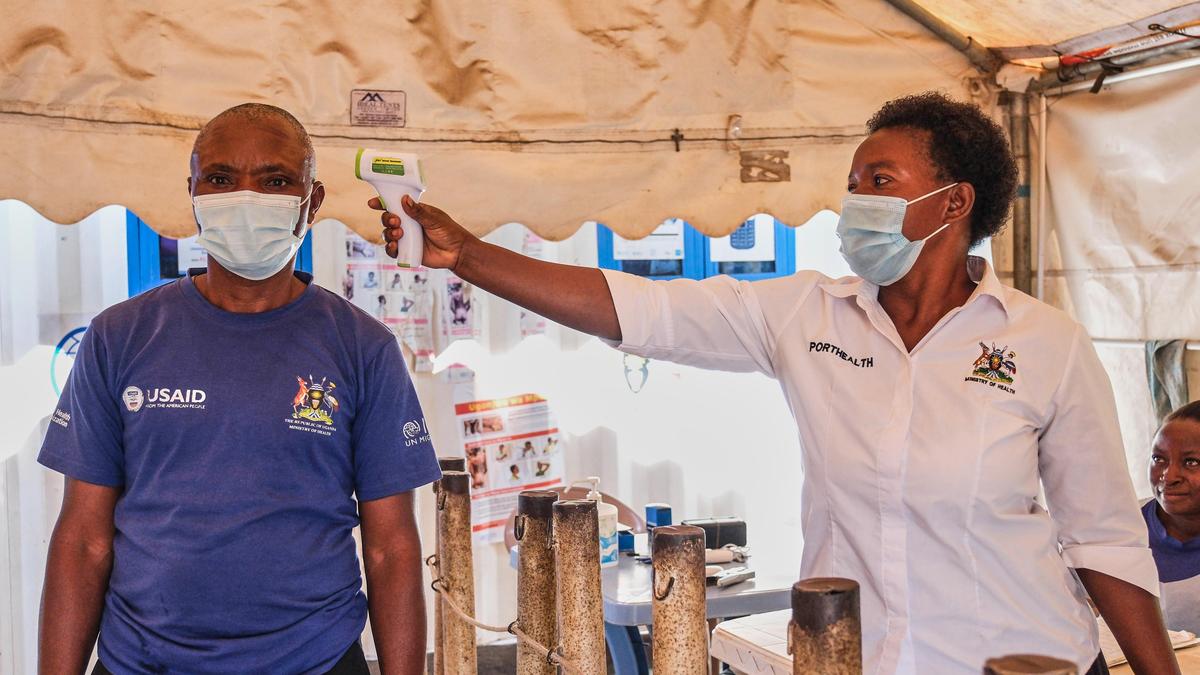
The Democratic Republic of the Congo (DRC) is experiencing its most rapid and severe Ebola outbreak to date, with confirmed cases surpassing 10,000. Government statistics released on Tuesday show a total of 10,060 cases, alongside a devastating death toll of 4,887. Nearly half of those confirmed to have contracted the virus have succumbed to it, marking this outbreak as the deadliest in the nation's history.
This outbreak, declared on May 15, is attributed to the Bundibugyo strain of the Ebola virus, a rare variant for which no vaccine or approved treatment currently exists. With a significant increase in cases not connected to known transmission chains, approximately 80% of new infections are arising outside monitored networks. The African Centres for Disease Control and Prevention (Africa CDC) indicates that for the outbreak to be deemed under control, at least 95% of cases should stem from familiar contacts of infected individuals.
This epidemic is notable not just for its scale but also for its cross-border implications, becoming the second-largest and second-deadliest outbreak recorded, following the West African epidemic from 2014 to 2016, which resulted in over 11,000 deaths from approximately 28,600 infections.
Responders within the DRC report that some treatment centres are overwhelmed, particularly in more rural regions where medical resources and personnel are scant. Cases have emerged in 66 health zones across eight provinces, a significant rise from only three health zones at the outbreak's onset. Health workers in some areas lack adequate transport and struggle to convince the families of the infected to seek necessary treatment and properly manage burial practices for the deceased. Alarmingly, it has been stated that at least half of those who have died did not receive medical assistance before passing.
The outbreak has also disrupted fundamental healthcare services, including routine childhood vaccinations. Reports indicate that maternal mortality rates have doubled in some areas since the outbreak's declaration. Compounding challenges have included strikes by health workers over delayed payments. Recently, Ebola response teams in Nia Nia, a town in Ituri province, halted operations over unpaid bonuses dating back to August.
As public mistrust in the government response grows, health workers have been subject to violence. A recent tragic incident involved the killing of a nurse and the serious injury of a colleague while they attended to a suspected case in Bafwasende, Tshopo province. WHO Director-General Tedros Adhanom Ghebreyesus emphasised the need for workers to be able to operate safely, stating, "Everyone working to protect communities from this deadly disease must be able to work in dignity and safety."
The outbreak's reach has extended across borders more than any previous Ebola crisis. In response, governments and international agencies have initiated measures to manage the risk of cross-border infections. For instance, Uganda's Health Minister Chris Baryomunsi announced that individuals returning from the DRC are now required to quarantine for 21 days at their own cost. Despite the country reporting no active infections following 20 cases and two fatalities in recent months, officials remain vigilant.
Moreover, a Swiss woman linked to a diplomat contracted the virus during a September visit to Uganda. She was later diagnosed with Ebola while in Nigeria, marking the fourth African nation affected by this outbreak. Following her diagnosis, heightened screening measures have been implemented at airports in Nigeria. As of Monday, she has been evacuated to Switzerland for treatment.
In Kenya, confirmed Ebola cases have surged rapidly in October, with the count rising to nine confirmed cases, two of which have been fatal. While twenty contacts of the first confirmed patient have completed their mandatory 21-day quarantine, 98 individuals are still under health monitoring.
This ongoing crisis highlights the urgent need for comprehensive health strategies and international cooperation to combat the epidemic and safeguard public health.
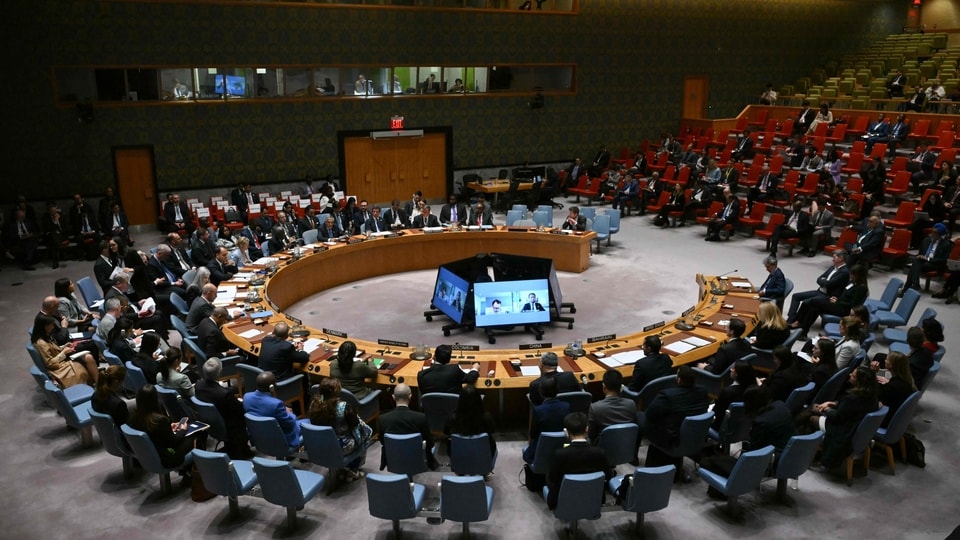
India Advocates Veto Power for All UN Security Council Members
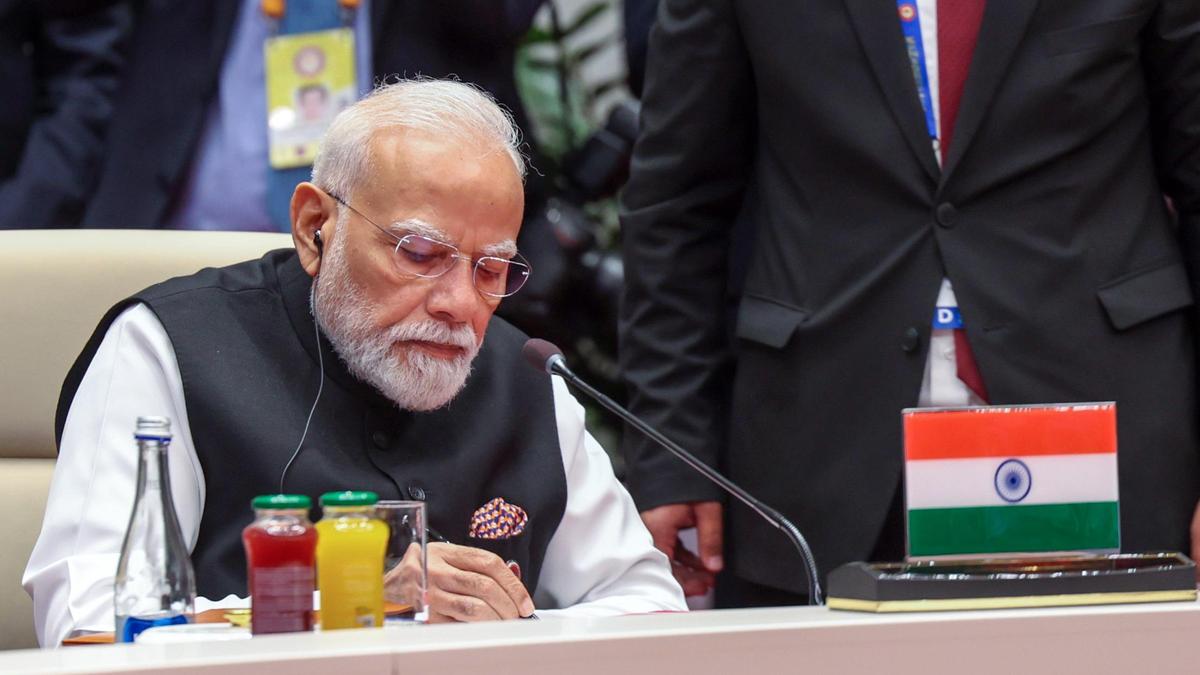
India Extends Invitation to Pakistan for SCO Dialogue Forum Meeting
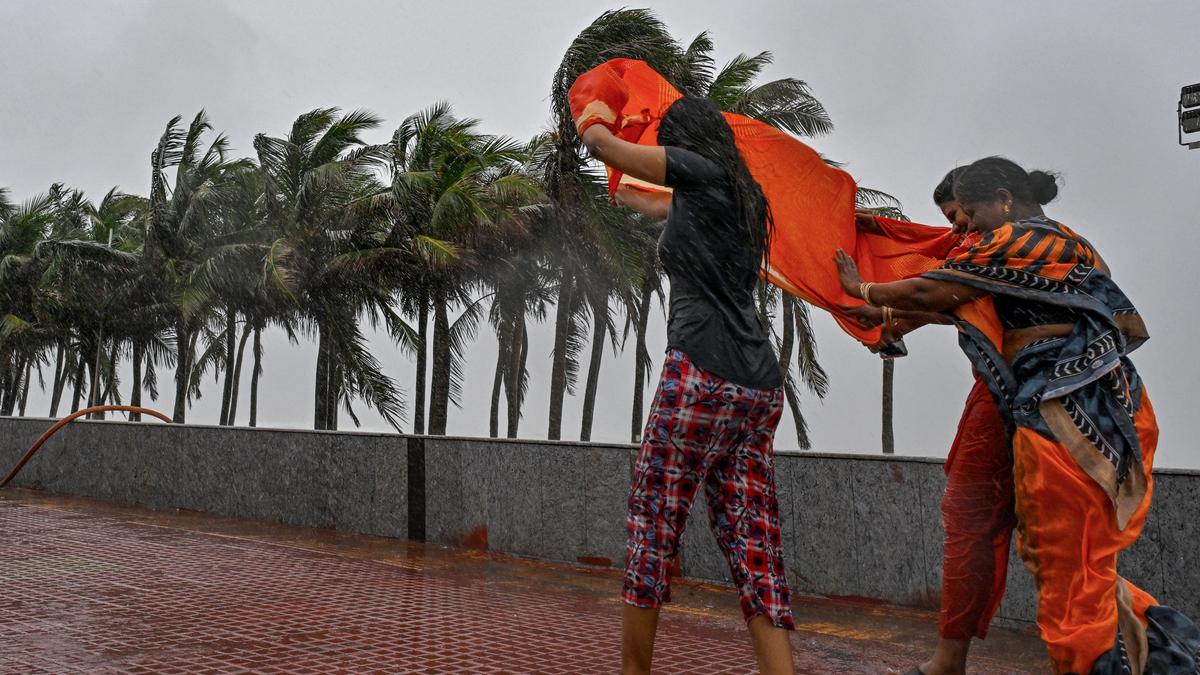
Cyclone Arnab Strikes Andhra Pradesh with Heavy Rainfall
Indian Prime Minister Speaks on Science and Societal Benefits