Donald Trump Proposes 15% Tariff Following Supreme Court Ruling


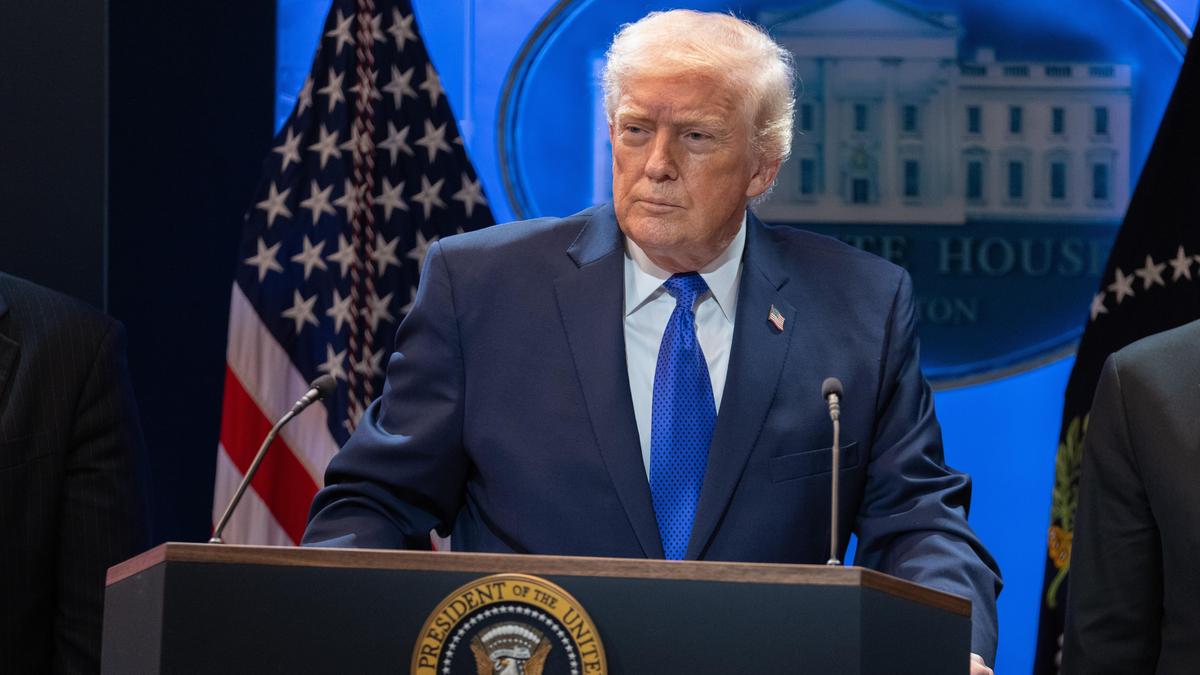
President Donald Trump announced on February 21, 2026, his intention to increase the global tariff he plans to impose from an initial rate of 10% to 15%. This decision comes shortly after the U.S. Supreme Court ruled that he lacked the emergency authority to enforce a broad range of tariffs without congressional approval.
In a statement on social media, Mr. Trump attributed his revised tariff proposal to what he described as a "thorough, detailed, and complete review" of the Supreme Court's decision, which he labelled as "ridiculous, poorly written, and extraordinarily anti-American". This indicates Mr. Trump's intention to continue pursuing tariffs despite legal limitations placed by the court.
Previously, Trump had signed an executive order late on Friday night, February 21, which allowed him to bypass Congress and impose a 10% tax on imports from various countries. However, he acknowledged that this measure would be temporary, as the tariffs would be valid for only 150 days unless extended through legislative action.
Experts note that Trump's efforts to implement these tariffs signal an ongoing commitment to protect American manufacturing, amidst concerns about international trade relations. The Supreme Court's ruling could create challenges for the administration's trade policy in the near future.
The move may have significant implications for global trade dynamics, attracting both support and opposition within the U.S. Congress and among international trading partners. The debate over tariffs, particularly in the context of President Trump's wider trade strategy, is expected to continue to evolve as politicians and economic stakeholders react to these recent developments.
Kerala Initiates Probe into 2006 Suicide Case Involving CEC

Extradition of Sheikh Hasina Feasible, Says Indian High Commissioner

Punjabi Makeup Artist Mad Sandhu Shot Dead in Amritsar

India Achieves Fourth Place at Asian Games 2026 Through Late Success