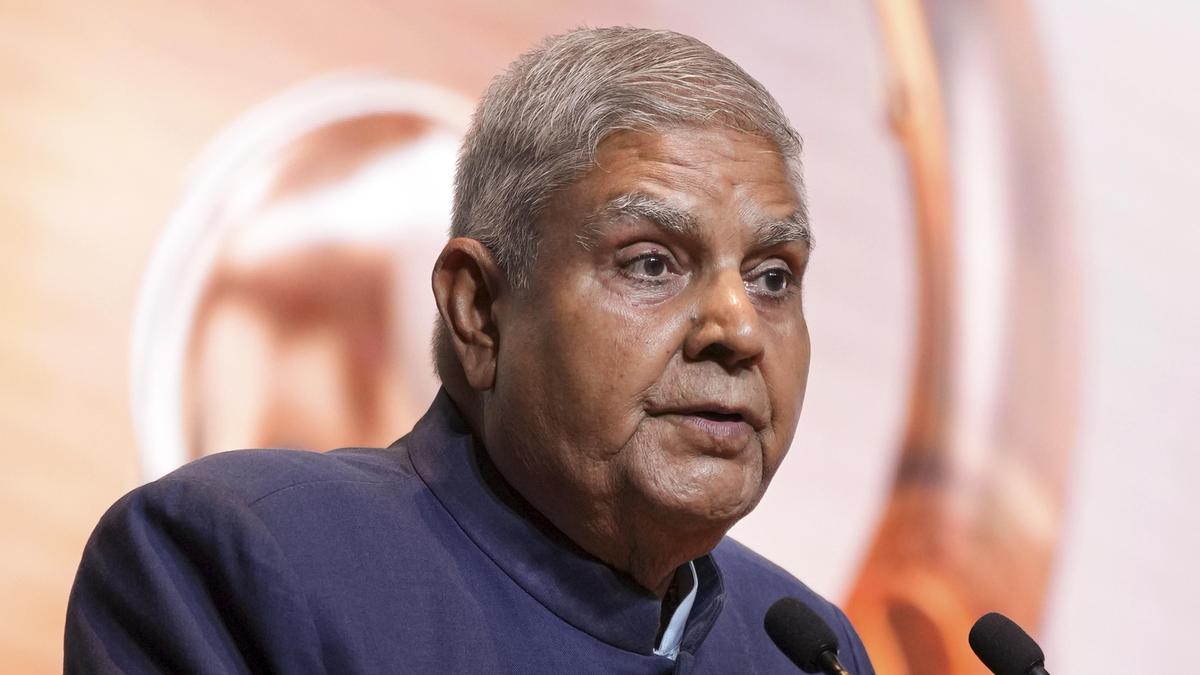
Diwali Crackers Ban Creates Hardship for Delhi's Construction Workers


The implementation of the Graded Response Action Plan (GRAP) III in Delhi, initiated on November 6, has had a significant impact on daily-wage construction workers. With construction activities halted, numerous workers now face economic uncertainty and a lack of income. Many have expressed that the government has not provided any financial support during this period.
Labourers argue that the measures aimed at combating pollution have deprived them of their primary source of livelihood. Ranjan, a daily-wage worker, highlighted the precarious nature of their situation: "We eat what we earn daily. If we do not work, we go hungry.” He pointed out the difficulty of managing household expenses, including rent and children's needs, during this forced unemployment.
The issue is compounded for workers who are not registered and therefore unlikely to receive any compensation for lost wages. Reports indicate that most daily-wage labourers lack proper documentation, complicating their ability to secure financial assistance. At present, approximately 2.15 lakh workers hold an active labour card, a steep decline from earlier estimates of over 10 lakh.
Ranjan noted, “Do you understand what daily wage means? Where we work, that work itself has stopped.” He stressed the urgent need for assistance, as many families rely on daily earnings for food and basic needs. Harinder, another worker, shared his concerns about the cultural celebrations during this festive season, stating that even small rituals require funds that they currently do not have.
Adding to their troubles, many construction workers report previous instances of corruption in the system intended to provide aid. Harinder’s experience reflects widespread disillusionment: “Last time, when there was a labour cut-off, the government announced compensation, but we didn’t get it.” Many feel abandoned as their economic stability crumbles amid the enforcement of pollution-related regulations.
With the pollution crisis intensifying in the national capital, debates continue about the effectiveness of the GRAP measures. Many workers argue that while the government enforces strict measures against pollution, it is essential to also consider the livelihoods they are impacting. Rajkishore Singh, an ageing worker, lamented about his inability to provide for his family during this period of work cessation.
The forthcoming weeks pose a further challenge for these workers as construction remains suspended and financial support from the government seems lacking. Union leaders have urged the Delhi government to urgently reconsider the situation and provide adequate assistance to those affected by the current restrictions. They have called for a more considerate approach to ensure that while measures to combat pollution are necessary, the welfare of the city’s workers must also be a priority.
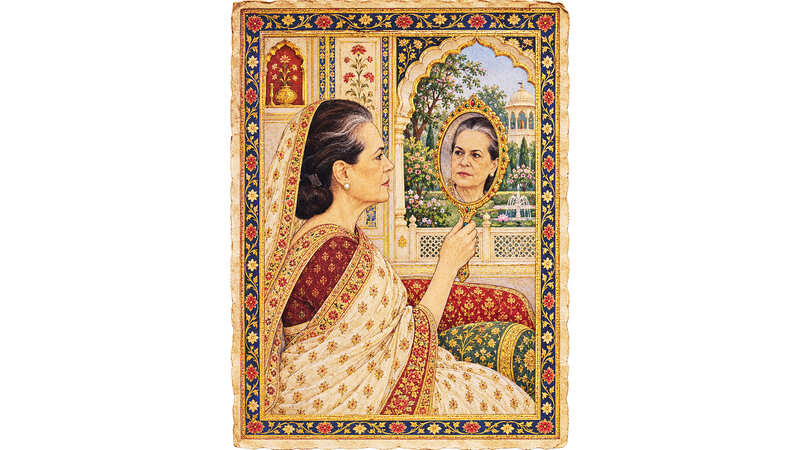
BJP Criticises Sonia Gandhi Over Memoir Claims of Power
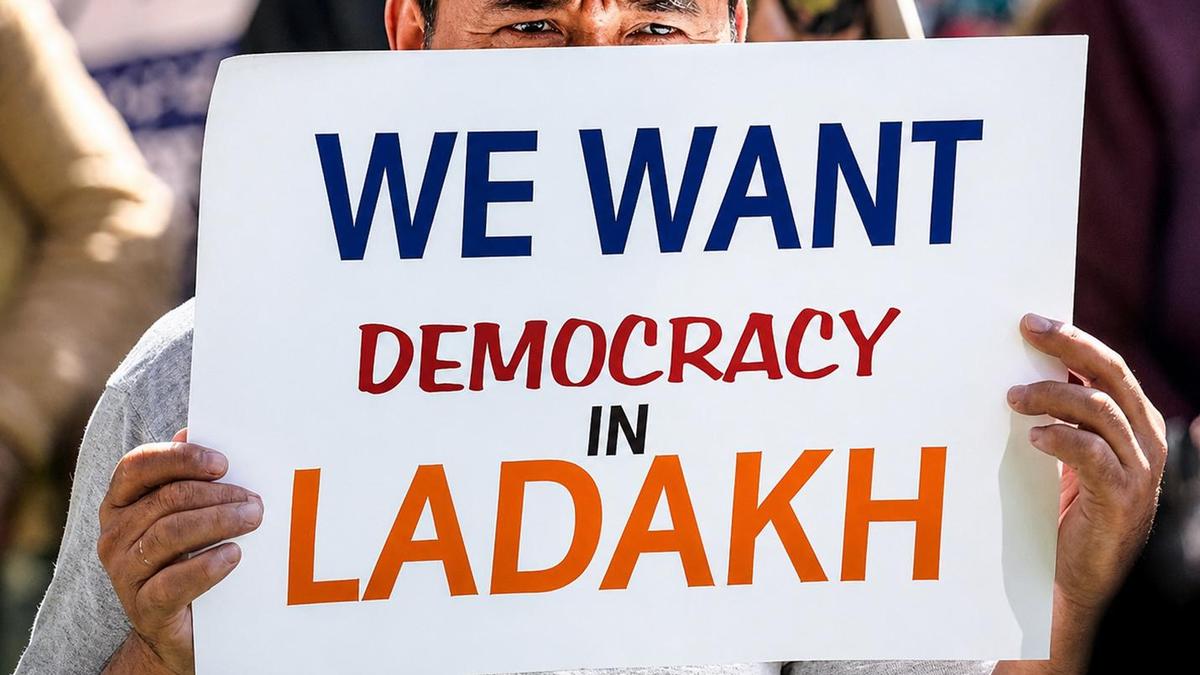
Ladakh Administration Imposes Ban on Protests Ahead of Elections

Jammu and Kashmir Officials Respond to Recent Attacks

Fox Roams Runway as Passengers Experience Delay at Kolkata Airport