Diljit Dosanjh Addresses Song Restrictions at Indore Concert


Diljit Dosanjh, a prominent figure in the Punjabi music scene, recently performed in Indore amid restrictions on his setlist initiated by local authorities. The Indore Police granted approval for his concert on November 15, with the stipulation that certain songs flagged by the District Child Protection Officer (DCPO) would not be performed. These songs included tracks identified as glorifying substance use and weapons. The DCPO's directives were based on a complaint from a Chandigarh-based professor, raising concerns over the lyrics and their impact on younger audiences.
In a similar situation, the DCPO in Ahmedabad has recommended a similar approach for Diljit Dosanjh's upcoming concert set for November 21, advising the police to enforce restrictions on potentially inappropriate content. The officer urged that children be kept from the stage and certain thematic elements be excluded from the performance.
The legal basis for these restrictions is being questioned, as critics argue that a child protection officer lacks the authority to dictate concert performances without due legal process. Former Supreme Court judge Madan B Lokur remarked on the need for an objective assessment of the lyrics before imposing restrictions, stating that a police directive should not be arbitrary.
Rachna Tyagi, an advocate associated with Just Rights for Children, supported the idea of child protection officers raising concerns, yet acknowledged the complexity of enforcing such restrictions legally. She explained that while there is merit in addressing potential harm to children, such interventions must align with established legal frameworks.
The debate has highlighted broader issues regarding artistic expression and the balance between public safety and creative freedom. Section 106 of the Juvenile Justice Act and Article 19(2) of the Indian Constitution allow for reasonable restrictions related to public order and morality; however, these must not infringe unjustly on artistic rights.
Diljit Dosanjh responded to the controversies during his concert by invoking the poignant words of celebrated poet Rahat Indori, illustrating his defiance against artistic censorship. He recited a line that encapsulates the essence of his stance: "Kisi ke baap ka Hindostan thodi hai," which translates to, "This is not someone's personal territory." His comments resonated with fans, who applauded his commitment to artistic integrity.
The discussions surrounding these concert restrictions reflect ongoing tensions in India regarding media, art, and state censorship. As authorities continue to navigate child welfare and public morality, the lines between protection and overreach remain hotly contested, with high-profile figures like Diljit Dosanjh at the forefront of this discourse.
India's Strategic Engagement with ASEAN: A Key Partnership

Indian Supreme Court Suspends Life Sentences of Bilkis Bano Case Convicts
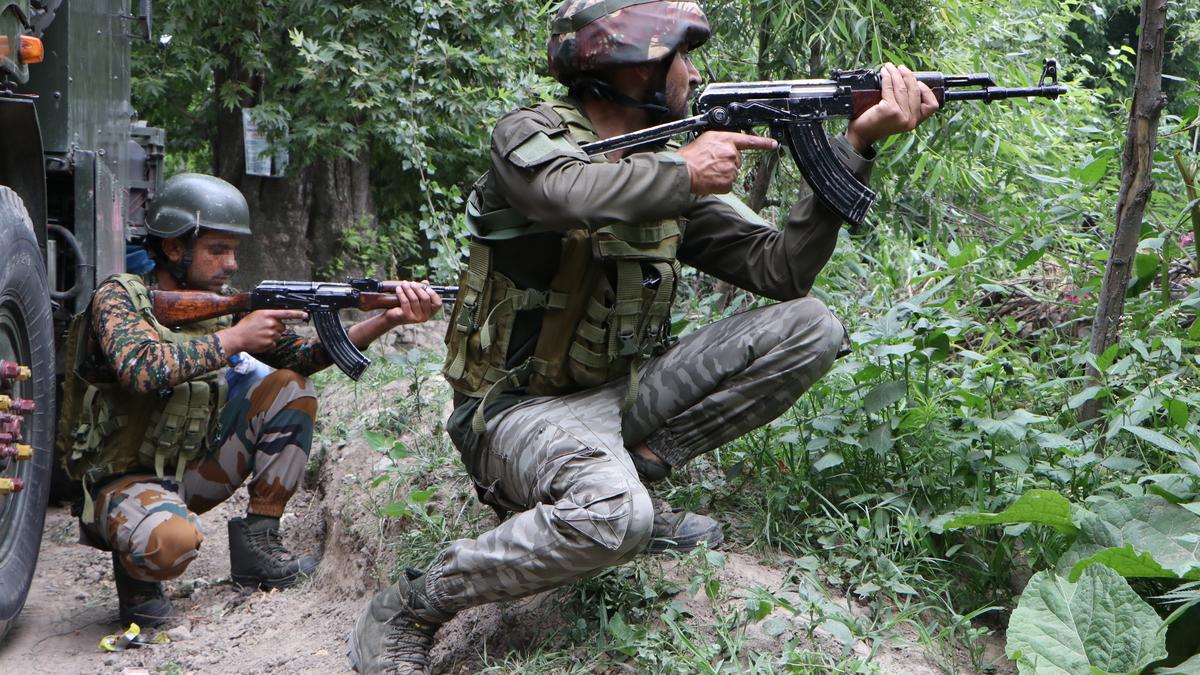
Clashes Erupt in Kulgam, South Kashmir Amid Ongoing Tensions
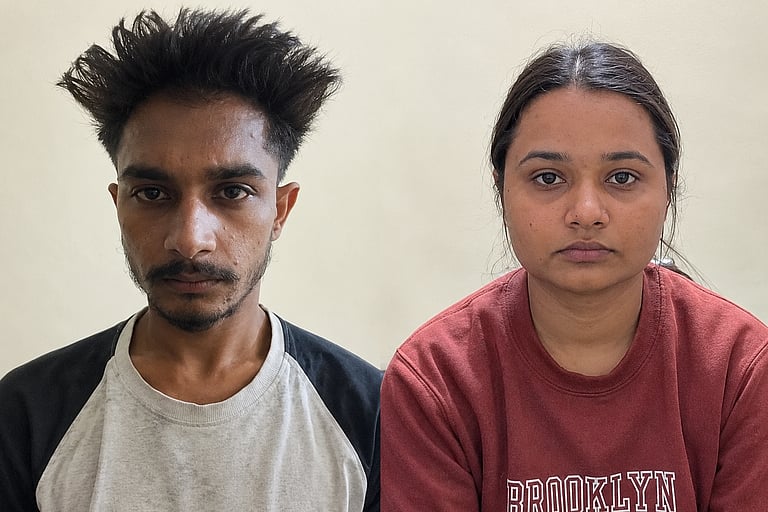
Two Arrested in Rajasthan Railway Track Explosion Investigation