Delhi Supreme Court Issues Notices over Protests and Arrests


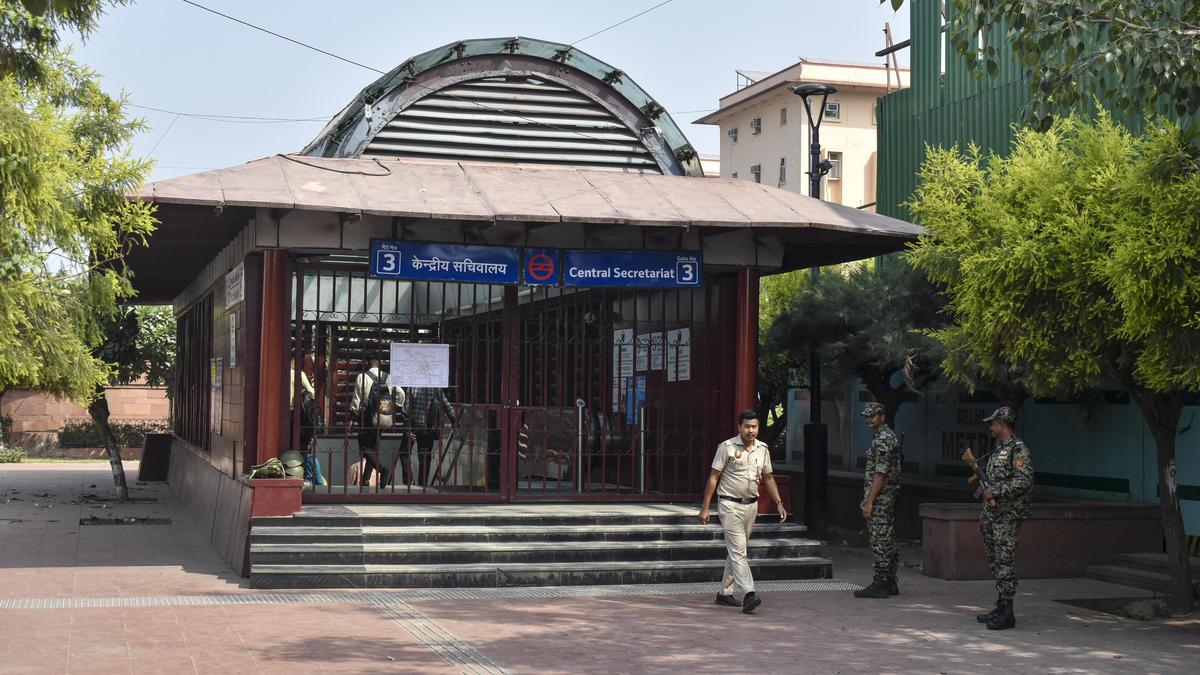
The Supreme Court of India has responded to a contempt plea by issuing notices to the Delhi Metro Rail Corporation, railway authorities, and the Delhi Traffic Police. This action follows concerns regarding operations during the protests on October 10. Petitioners have accused the authorities of breaching the court's October 9 order, which aimed to limit transport and internet restrictions amidst the protests against Chief Election Commissioner Gyanesh Kumar and the Special Intensive Revision (SIR).
During the recent protests, it has been reported that vital transport services were severely hampered, affecting the movement of people across the capital. The court, led by Justices Joymalya Bagchi and V. Mohana, deemed the allegations significant enough to warrant legal action. They have requested affidavits and compliance reports from the concerned authorities by October 13.
The contempt plea was filed by advocate Shailendra Mani Tripathi, who stated that the authorities disregarded the Supreme Court’s orders by continuing to close metro stations and limit train operations. The petition asserts that the actions of the Delhi Police represented an intentional attempt to undermine the authority of the court.
Justice Bagchi questioned whether advisories had been communicated to the public regarding the transportation interruptions and ordered a compliance report from the involved agencies. He insisted that metro services should resume according to the normal operational schedule unless public order conditions warranted otherwise.
Reports indicate widespread detentions during the protests, with claims that the situation had devolved into a quasi-curfew, characterised by significant disruptions to communication and transport. The bench observed that recent notifications imposed a blanket ban on critical transport services, which exceeded what is necessary for maintaining public order, emphasising that such measures are overreaching.
Prior to the hearing, mass arrests of demonstrators, including various political figures, students, and journalists, were reported. Allegations have emerged of illegal detentions, particularly against participants of peaceful protests. Advocate Manoj Kumar Jha filed a petition against these detentions, asserting they were unlawful and part of a broader pattern of governmental overreach during the protests.
During the court session, the Solicitor General, Tushar Mehta, communicated that restrictions on transport and internet services had been lifted, and detained individuals were released, though this assertion was met with scrutiny from the bench. There have been ongoing reports regarding journalists facing detainment as well.
The Supreme Court reiterated its earlier directives, demanding that individuals participating in peaceful protests should not be subject to illegal detentions. It reiterated the significance of protecting lawful assembly and movement of citizens, especially during times of dissent. The discourse around the protests continues to highlight the tension between governmental authority and civil liberties in the context of the electoral process in India.
Indian Opposition Congress Plans March to Supreme Court Amidst Tensions

OnePlus 16 Specifications Unveiled Ahead of October Launch

Attack on Riyadh Airport Leaves One Dead and Eleven Injured

Trump Claims Russia and Ukraine Reach Energy Truce Agreement