Delhi Enforces Stage IV Restrictions as Air Quality Index Surpasses 400


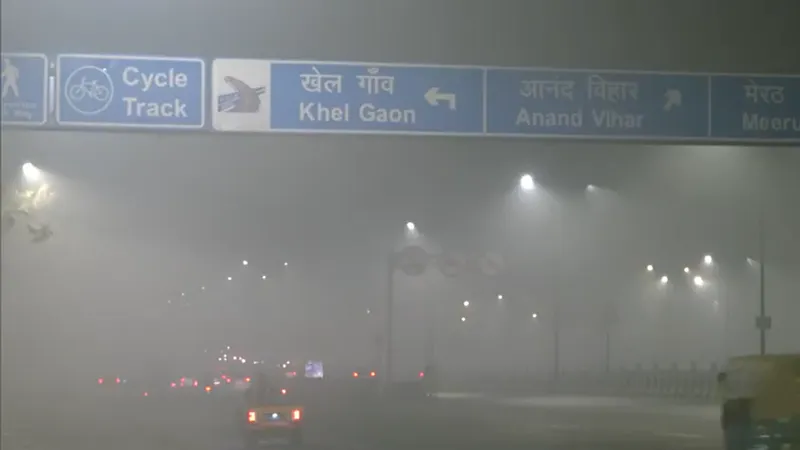
NEW DELHI: In response to deteriorating air quality in the Delhi-National Capital Region (NCR), local authorities activated Stage IV of the Graded Response Action Plan (GRAP) on Saturday. This decision follows the earlier implementation of Stage III measures in the region. The Commission for Air Quality Management (CAQM) reported that pollution levels exceeded critical thresholds, necessitating immediate action.
In a statement, the CAQM's sub-committee announced, "Given the current air quality trends, and to prevent further degradation, the Sub-Committee has invoked all actions under Stage IV of the GRAP, categorised as 'Severe+', effective immediately across the NCR." This action is in addition to restrictions already imposed under Stages I, II, and III.
The official directive mandates that all administrative departments operate with no more than half of their staff physically present in the office. The remaining personnel are required to work from home, although department heads retain the authority to call in employees as needed to maintain essential public services.
Private businesses in Delhi are also subject to the same staffing limitations, with the government recommending staggered working hours where practicable. The directive emphasises that private entities must enforce work-from-home policies strictly and reduce vehicle usage related to commutes.
Certain essential services, including hospitals, fire services, public transport, and municipal services, are exempt from these restrictions. This decision was made as the city’s Air Quality Index (AQI) escalated from 349 on Friday evening to 401 by Saturday morning, influenced by stagnant atmospheric conditions that hindered pollutant dispersion.
As reported by the news agency ANI, AQI readings at 7:00 PM indicated critically high levels, with Anand Vihar recording 488, Ashok Vihar at 434, and Bawana hitting 496.
A dense blanket of smog enveloped the city, exacerbating visibility issues and health risks. Wazirpur reported the worst air quality with an AQI of 445, while several other areas, including Vivek Vihar and Jahangirpuri, also fell within the 'severe' category. Poor air quality was not limited to Delhi, as neighbouring regions in Uttar Pradesh experienced similar conditions, with Noida sectors showing AQI levels of 448.
According to standards set by the Central Pollution Control Board (CPCB), an AQI range of 401 to 500 is deemed 'severe' and poses significant health threats, especially to vulnerable populations such as children, the elderly, and individuals with pre-existing respiratory conditions. Enforcement agencies have been instructed to enhance inspections and ensure adherence to GRAP measures to mitigate further air quality deterioration.
What Restrictions Are Imposed Under GRAP Stage IV?
Construction and Industrial Activities: All construction, demolition, and earthwork operations are suspended. This includes the operation of stone crushers, brick kilns, and industrial facilities that use coal or other unapproved fuels.
Vehicles and Transport: The entry of all diesel-powered medium and heavy goods vehicles into Delhi is prohibited unless they are transporting essential goods. Non-compliant vehicles, including BS-III petrol and BS-IV diesel four-wheelers, are also barred from operation.
Open Burning and Emissions: The open burning of waste and biomass is strictly forbidden, alongside any activities likely to increase dust or emissions.
What Remains Permitted Under GRAP Stage IV?
Essential Services: Construction related to vital infrastructure, such as metros, railways, and healthcare facilities, may continue. Emergency repairs must adhere to strict dust control measures.
Transport: Electric vehicles, CNG vehicles, and BS-VI compliant vehicles are permitted. Public transport services, including buses and metro operations, remain operational.
Education and Workplaces: Schools are encouraged to transition to online or hybrid formats, particularly for younger students. Offices are advised to reduce in-person staffing and promote remote work.
Utilities: Power generation units supplying electricity and diesel generators for hospitals and emergency services are exempt from restrictions.
The current air quality crisis highlights the ongoing challenges of managing pollution in urban environments. Authorities continue to monitor the situation closely and adjust measures as necessary to protect public health.

Bilateral Meetings and Side Conversations Mark Global Summit
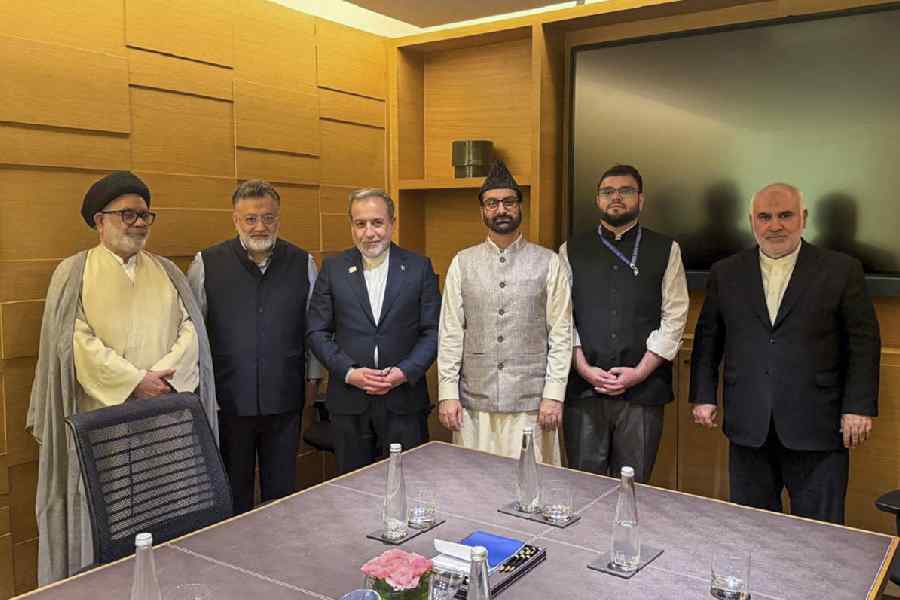
UAE and Iran Leaders Discuss Relations at BRICS Summit

BRICS Summit Highlights Concerns Over Critical Minerals and Technology
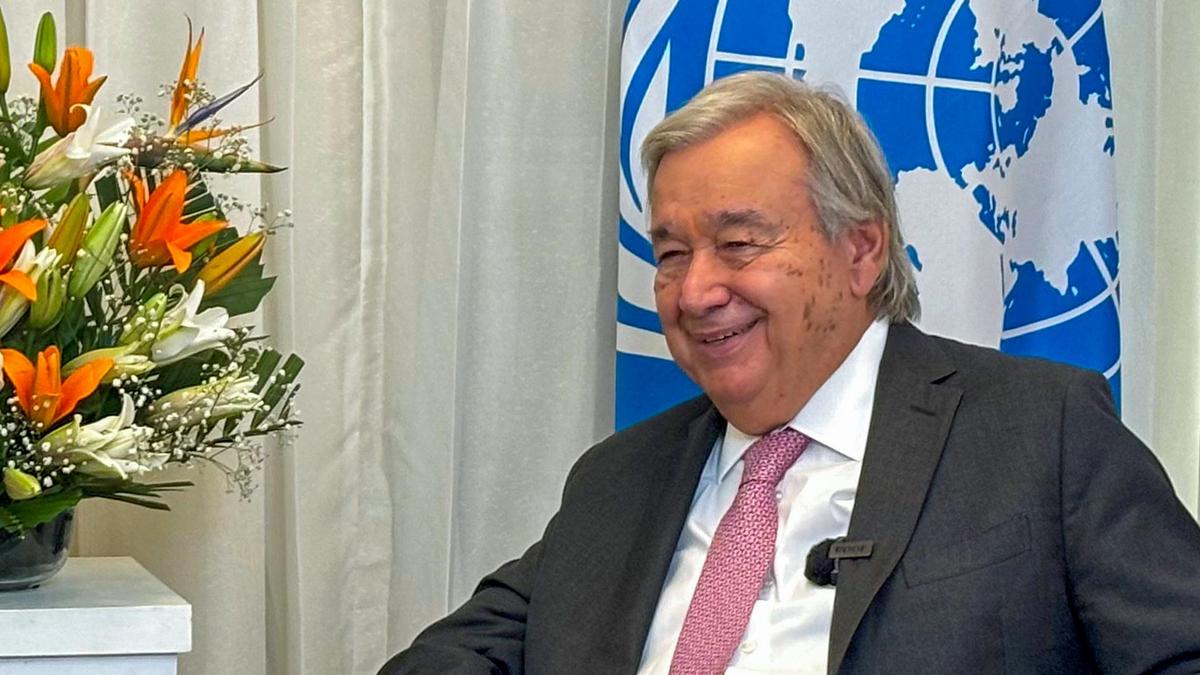
UN Secretary-General Discusses Security Council Challenges