Debate Surrounds Access for Non-Hindus at Char Dham Temples


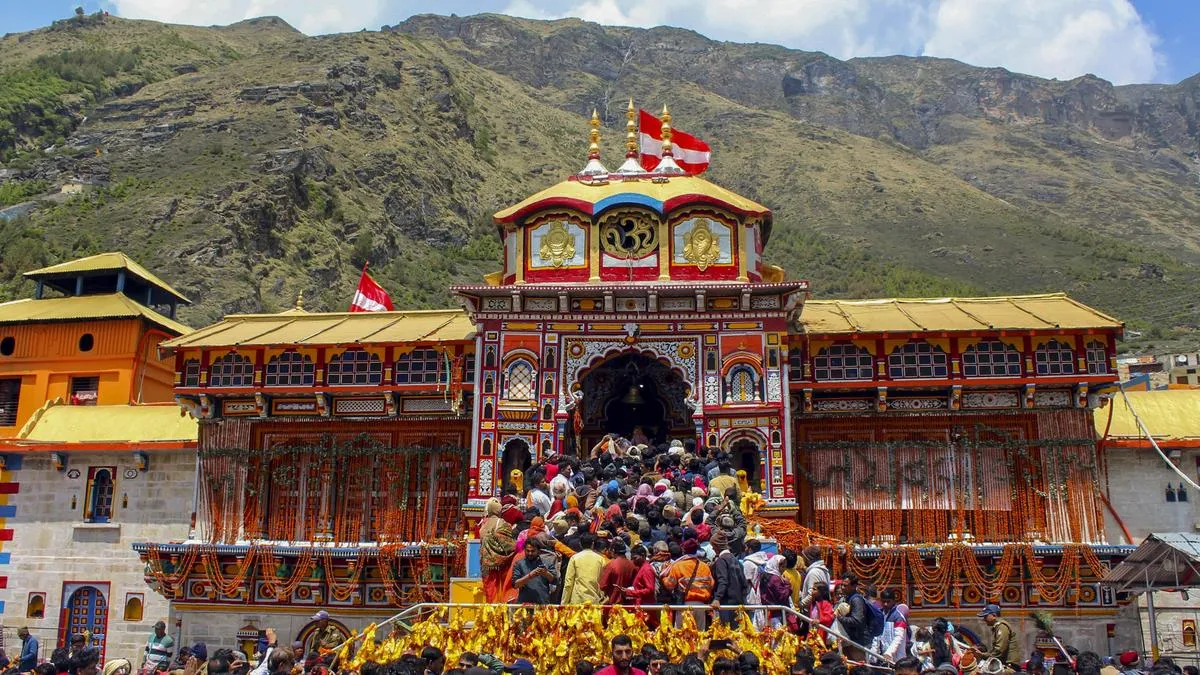
In Uttarakhand, India, discussions are intensifying regarding the entry of non-Hindus into the revered Char Dham temples, including Badrinath and Kedarnath. These ancient sites are significant pilgrimage destinations for Hindus and attract millions of visitors annually.
Local authorities and religious groups have been vocal about their concerns, advocating for restrictions that would limit access to only Hindu devotees. Proponents of this ban argue that these temples are sacred spaces and should remain exclusive to followers of Hinduism. The discussion has elicited varied reactions across the region, with sentiments ranging from strong support to vehement opposition.
One of the key voices in favour of restricting entry is the Shankaracharya of Jyotir Math, Swami Vasudevanand Saraswati, who stated, “Temples hold deep spiritual significance, and it is essential to preserve their sanctity.”
Critics of such measures argue that exclusionary practices may undermine the cultural and spiritual heritage of these sites. Prominent historian and academic Dr. Shalini Thakur expressed concern, noting, “The temples represent a shared cultural heritage that transcends religious boundaries. Limiting access could alienate diverse communities.”
The debate has led to a wider discussion about the role of religion in public life, especially in a country known for its religious diversity. Many fear that implementing restrictions could set a precedent for further segregation among different faiths, impacting the social fabric of the country.
The Uttarakhand government has stated that it is reviewing the situation and will consider public sentiment in its decision-making process. The outcome of this discourse could have significant implications for religious tourism, an essential part of the state’s economy, as well as for inter-community relations in a region marked by its multicultural identity.
As this conversation unfolds, the dynamics of faith, culture, and inclusivity remain at the forefront of the regional dialogue, reflecting broader questions that resonate nationwide.
India and EU Finalise Long-Awaited Free Trade Agreement
Rahul Gandhi Faces Criticism for Not Wearing Traditional Patka

India Gained Air Superiority Over Pakistan in Operation Sindoor, Report Finds

Axis Bank Reports 3% Increase in Q3 Profit at Rs 6,490 Crore