Daraxonrasib Pill Offers Promising Hope for Pancreatic Cancer


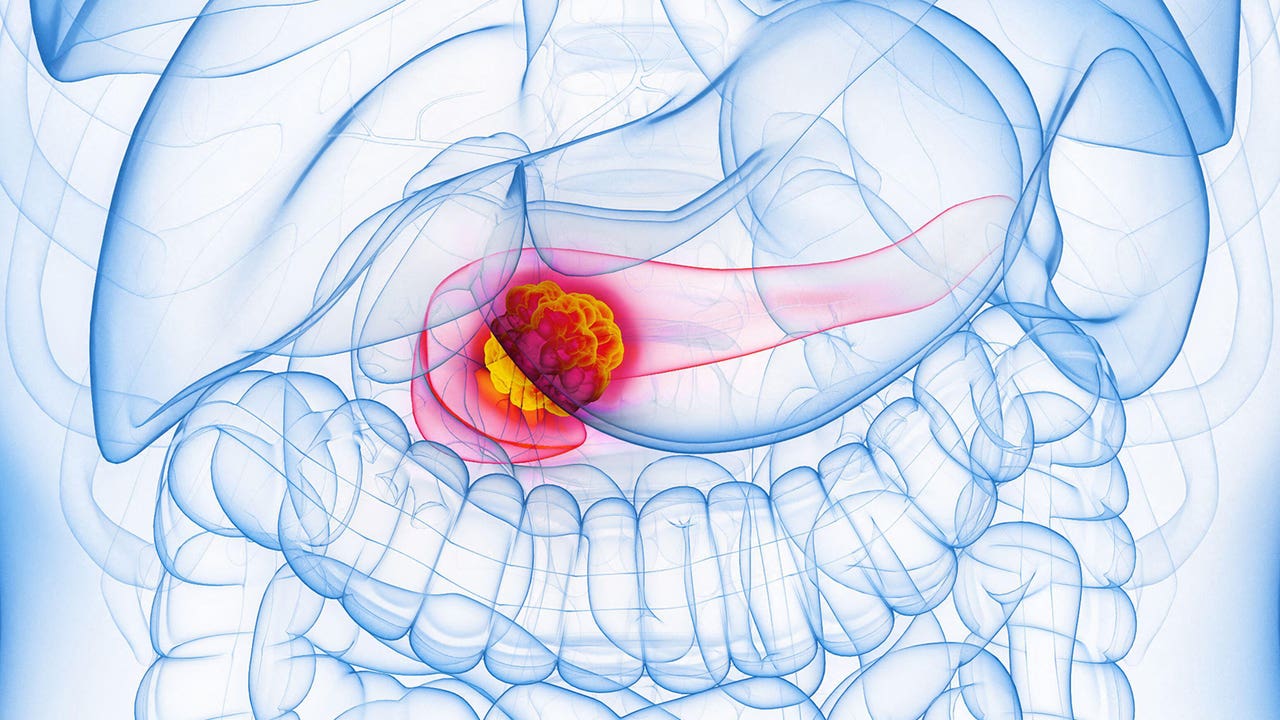
A novel treatment for pancreatic cancer, daraxonrasib, has been described as a significant breakthrough for patients battling this challenging disease. Recent clinical trial results reveal that in one out of every twelve participants, the cancer has become undetectable, while nearly all of the 61 patients noted in the study saw their tumours halt in growth. The trial focussed on individuals who had recently been diagnosed with advanced pancreatic cancer that had metastasised to other areas of the body.
Despite the promising findings, medical professionals caution that daraxonrasib should not yet be viewed as a cure. They remain uncertain about how long the drug can maintain the disease's suppression. Yet, the results offer optimistic insights, suggesting that it may extend life for those diagnosed with this notoriously lethal cancer. Statistics highlight the severity of pancreatic cancer; 50% of diagnosed individuals succumb within three months, and merely 3% survive beyond five years once the disease has spread.
During the trial, the tumours ceased growing in 90% of patients, with over 60% experiencing shrinkage or complete disappearance of their tumours. Approximately 8% showed no trace of cancer on computed tomography (CT) scans, a noteworthy accomplishment. One year into treatment, 76.6% of participants were still alive, a stark contrast to the typical one-year survival rate of 40-45% for those only receiving chemotherapy.
Dr Wungki Park, a gastrointestinal medical oncologist at Memorial Sloan Kettering Cancer Center in New York, presented these encouraging results at the EORTC-NCI-AACR Symposium on Molecular Targets and Cancer Therapeutics in Barcelona. He stated, “This is the closest to cure,” expressing amazement at the number of tumours disappearing in patients with advanced disease.
Daraxonrasib operates as a KRAS inhibitor, targeting specific mutations prevalent in most pancreatic cancers. These mutations are integral to tumour development. The discovery has sparked hope that this treatment might hold potential for numerous other cancers exhibiting similar genetic mutations.
Michelle Mitchell, the chief executive of Cancer Research UK, acknowledged the excitement surrounding these findings while emphasising the need for further research. She described the results as the most significant advancement seen in decades for pancreatic cancer patients, potentially transforming their treatment landscape. However, she noted, “Despite this advance, pancreatic cancer survival remains critically low.”
Further studies are planned to evaluate the long-term effects of daraxonrasib, including the possibility of achieving remission. The drug has already received FDA approval for patients who have undergone at least one previous therapy or those ineligible for standard treatments, based on earlier encouraging results.
As the medical community continues to sift through the results of the daraxonrasib trials, there is cautious optimism that this new approach might lead to more effective treatments for pancreatic cancer and potentially other cancers influenced by KRAS mutations. Research efforts will need to continue to ensure broader accessibility and understanding of the drug’s long-term efficacy.

Fatalities Rise to 12 Due to Contaminated Alcohol in Manipur

Drones and AI Cameras Assist Police in Managing Large Crowds

1xBat Extends Partnership with International League T20 for 2026

Savita Named in TIME100 Next: India List for Pioneering Influence